Sitowise’s latest CEO appointment comes at a moment when the company is shifting its focus toward the parts of the market that are growing, while much of its business remains under pressure.
When Anna Wäck was appointed CEO in January 2026, she stepped into a weak construction market, a company mid-turnaround, a reshaped leadership team, and a parental leave just months into the role.
On March 17, Sitowise sharpened that context further. With its previous strategy period ending, the company set out a new plan aimed at restoring profitable growth, introducing revised focus areas, financial targets, and a new purpose: “engineering the foundations of Nordic resilience.”
In practice, the strategy marks a shift toward strengthening its people, focusing growth on selected customer segments such as energy and data centers, scaling its digital business, and improving efficiency through smarter ways of working. “It’s about identifying where demand is and making sure we are positioned to capture it,” Wäck says.
Wäck brings a transformation profile aligned with that direction.
Before becoming CEO, Wäck led Sitowise’s digital solutions business, expanding its software offering. She previously held senior roles at Finnish elevator engineering giant KONE and started her career in consulting at French consulting behemoth Capgemini and Finnish development partner Siili Solutions, combining industrial, digital, and strategic experience tied to Sitowise’s shift.
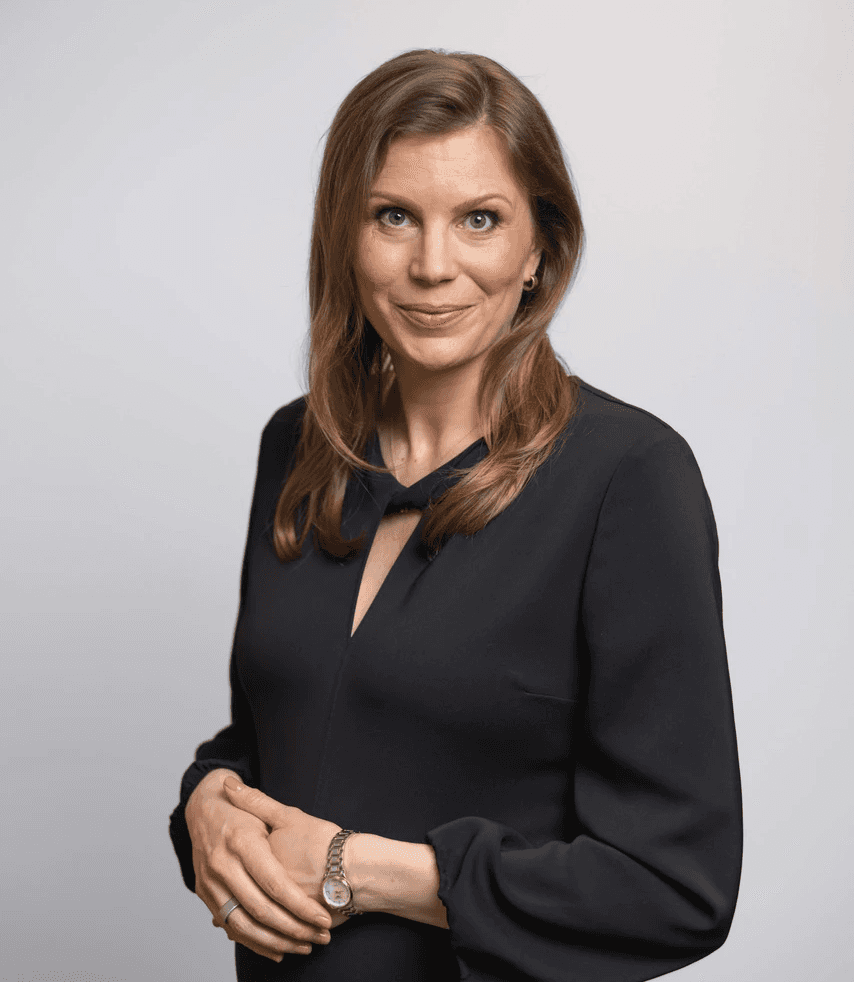
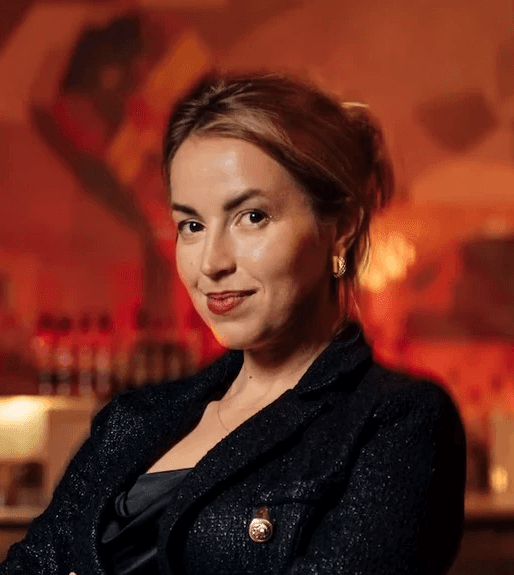
Anna Wäck entered the CEO role in January 2026 after leading Sitowise's digital solutions business. Photo from Sitowise.
An uneven starting point
Wäck inherited an uneven balance sheet. In 2025, Sitowise’s net sales declined 2.2 percent to €188.6 million, while adjusted EBITA fell to 4.7 percent of net sales. Operating result dropped sharply into negative territory, largely due to a goodwill impairment in the Swedish business.
The final quarter showed some improvement. Net sales returned to growth, and profitability improved, supported by strong performance in infrastructure. But the recovery remains imbalanced.
The backdrop is visible in the market’s expectations. Sitowise’s share price has fallen roughly 70 percent over the past five years, trading around €2.5, reflecting prolonged pressure on profitability and uneven growth.
For Wäck, the current environment creates room to act. “When the market is weaker, it’s the right time to refine how you operate, so you’re ready when it turns,” she says. Companies, she argues, are operating in an increasingly volatile environment shaped by geopolitical tension, rapid technological change, and the green transition. The task is not only to withstand that environment, but to find opportunity within it.
That requires a different approach to decision-making. A complete picture rarely exists, and waiting for one can become a liability. There is never a perfect amount of data, she says. “Better to make a decision even if it’s just roughly right rather than hold back.”
A strategy built on focus
Sitowise’s strategy now starts with a reset.
The company is focusing on four priorities: strengthening its people, growing in selected customer segments, scaling digital business, and improving efficiency through better project execution and AI. It is also targeting growth above the market and profitability above 10 percent over the mid-term.
In practice, that means narrowing focus. “Growth is concentrated in specific pockets, especially in energy and data centers, where demand remains strong,” Wäck says.
For Sitowise, that requires being close to customers and competing where demand is already visible, rather than waiting for a broader recovery.
Growth, she adds, is also tied to talent. In a business built on expertise, the ability to attract and retain skilled professionals remains a key differentiator.
A business built on people
Success now depends on the people.
Sitowise employs around 1,900 professionals across more than 130 disciplines. Engineers, software developers, environmental experts, and even insect specialists work side by side in a structure that is both broad and interdependent.
For Wäck, this matters more than any financial metric. The balance sheet, she notes, effectively walks out the door every evening and returns the next morning only if people choose to come back.
That makes team dynamics critical. “A group of unicorns will never outperform a successful team.”
One of her first priorities was aligning the new leadership team. After several changes at the start of the year, clarity of responsibility, shared direction, and trust have become critical for execution. Based on Listeds data, Sitowise has appointed six new management team members this year, including a new CFO and CTO.
The same emphasis on cohesion also shows up in small, deliberate actions. In a previous role, Wäck handwrote 300 personal Christmas cards during a period of heavy integration, a way to make sure people felt seen and appreciated amid change.
She also highlights the role of purpose in attracting and retaining talent. People want to see the impact of their work, whether in improving cities, strengthening infrastructure, or supporting the green transition.
Chosen ahead of parental leave
Wäck’s appointment has also drawn attention for reasons beyond strategy.
She will take parental leave in May, shortly after assuming the CEO role. During that time, Deputy CEO Jannis Mikkola will lead the company.
When discussing the role with the board, Wäck says she was open about her situation from the start. The response was straightforward: “That’s life.”
After releasing the news, the reaction, she says, was overwhelmingly positive and more personal than expected.
“It was a moving day as people shared quite personal stories,” Wäck says. Many of the messages, she notes, came from people who would not normally speak about these topics at work. Some reflected on family challenges, others on career timing, and how difficult it can be to align the two. For Wäck, the reaction highlighted how rarely these conversations surface openly, and how important it is to make them easier to have.
Wäck sees the reaction as part of a broader shift. Finland’s 2022 parental leave reform, which introduced equal quotas and more flexibility, is starting to reshape expectations. More women are entering C-suite roles without delaying parenthood, and parental leave is becoming a normal part of executive careers. Alisa Bank said in February that CFO Kukka Lehtimäki, its interim CEO, would take parental leave this spring.
Positioning ahead of the cycle
Sitowise is now focused on three priorities: improving profitability, turning around Sweden, and strengthening competitiveness.
Wäck’s approach is to keep moving regardless of the cycle. The work, she says, is to improve how the business runs and stay close to where demand is building.
When the market turns, the difference should already be visible.
·
5 min read
Explore and follow profiles from this article to get timely updates:

Sitowise’s latest CEO appointment comes at a moment when the company is shifting its focus toward the parts of the market that are growing, while much of its business remains under pressure.
When Anna Wäck was appointed CEO in January 2026, she stepped into a weak construction market, a company mid-turnaround, a reshaped leadership team, and a parental leave just months into the role.
On March 17, Sitowise sharpened that context further. With its previous strategy period ending, the company set out a new plan aimed at restoring profitable growth, introducing revised focus areas, financial targets, and a new purpose: “engineering the foundations of Nordic resilience.”
In practice, the strategy marks a shift toward strengthening its people, focusing growth on selected customer segments such as energy and data centers, scaling its digital business, and improving efficiency through smarter ways of working. “It’s about identifying where demand is and making sure we are positioned to capture it,” Wäck says.
Wäck brings a transformation profile aligned with that direction.
Before becoming CEO, Wäck led Sitowise’s digital solutions business, expanding its software offering. She previously held senior roles at Finnish elevator engineering giant KONE and started her career in consulting at French consulting behemoth Capgemini and Finnish development partner Siili Solutions, combining industrial, digital, and strategic experience tied to Sitowise’s shift.
Anna Wäck entered the CEO role in January 2026 after leading Sitowise's digital solutions business. Photo from Sitowise.
An uneven starting point
Wäck inherited an uneven balance sheet. In 2025, Sitowise’s net sales declined 2.2 percent to €188.6 million, while adjusted EBITA fell to 4.7 percent of net sales. Operating result dropped sharply into negative territory, largely due to a goodwill impairment in the Swedish business.
The final quarter showed some improvement. Net sales returned to growth, and profitability improved, supported by strong performance in infrastructure. But the recovery remains imbalanced.
The backdrop is visible in the market’s expectations. Sitowise’s share price has fallen roughly 70 percent over the past five years, trading around €2.5, reflecting prolonged pressure on profitability and uneven growth.
For Wäck, the current environment creates room to act. “When the market is weaker, it’s the right time to refine how you operate, so you’re ready when it turns,” she says. Companies, she argues, are operating in an increasingly volatile environment shaped by geopolitical tension, rapid technological change, and the green transition. The task is not only to withstand that environment, but to find opportunity within it.
That requires a different approach to decision-making. A complete picture rarely exists, and waiting for one can become a liability. There is never a perfect amount of data, she says. “Better to make a decision even if it’s just roughly right rather than hold back.”
A strategy built on focus
Sitowise’s strategy now starts with a reset.
The company is focusing on four priorities: strengthening its people, growing in selected customer segments, scaling digital business, and improving efficiency through better project execution and AI. It is also targeting growth above the market and profitability above 10 percent over the mid-term.
In practice, that means narrowing focus. “Growth is concentrated in specific pockets, especially in energy and data centers, where demand remains strong,” Wäck says.
For Sitowise, that requires being close to customers and competing where demand is already visible, rather than waiting for a broader recovery.
Growth, she adds, is also tied to talent. In a business built on expertise, the ability to attract and retain skilled professionals remains a key differentiator.
A business built on people
Success now depends on the people.
Sitowise employs around 1,900 professionals across more than 130 disciplines. Engineers, software developers, environmental experts, and even insect specialists work side by side in a structure that is both broad and interdependent.
For Wäck, this matters more than any financial metric. The balance sheet, she notes, effectively walks out the door every evening and returns the next morning only if people choose to come back.
That makes team dynamics critical. “A group of unicorns will never outperform a successful team.”
One of her first priorities was aligning the new leadership team. After several changes at the start of the year, clarity of responsibility, shared direction, and trust have become critical for execution. Based on Listeds data, Sitowise has appointed six new management team members this year, including a new CFO and CTO.
The same emphasis on cohesion also shows up in small, deliberate actions. In a previous role, Wäck handwrote 300 personal Christmas cards during a period of heavy integration, a way to make sure people felt seen and appreciated amid change.
She also highlights the role of purpose in attracting and retaining talent. People want to see the impact of their work, whether in improving cities, strengthening infrastructure, or supporting the green transition.
Chosen ahead of parental leave
Wäck’s appointment has also drawn attention for reasons beyond strategy.
She will take parental leave in May, shortly after assuming the CEO role. During that time, Deputy CEO Jannis Mikkola will lead the company.
When discussing the role with the board, Wäck says she was open about her situation from the start. The response was straightforward: “That’s life.”
After releasing the news, the reaction, she says, was overwhelmingly positive and more personal than expected.
“It was a moving day as people shared quite personal stories,” Wäck says. Many of the messages, she notes, came from people who would not normally speak about these topics at work. Some reflected on family challenges, others on career timing, and how difficult it can be to align the two. For Wäck, the reaction highlighted how rarely these conversations surface openly, and how important it is to make them easier to have.
Wäck sees the reaction as part of a broader shift. Finland’s 2022 parental leave reform, which introduced equal quotas and more flexibility, is starting to reshape expectations. More women are entering C-suite roles without delaying parenthood, and parental leave is becoming a normal part of executive careers. Alisa Bank said in February that CFO Kukka Lehtimäki, its interim CEO, would take parental leave this spring.
Positioning ahead of the cycle
Sitowise is now focused on three priorities: improving profitability, turning around Sweden, and strengthening competitiveness.
Wäck’s approach is to keep moving regardless of the cycle. The work, she says, is to improve how the business runs and stay close to where demand is building.
When the market turns, the difference should already be visible.




Investor Event
Listeds Investor Event · Defence
Nordic defence is in a once-in-a-generation growth cycle. Eight listed and pre-IPO companies pitch to 100+ invited investors at Valkoinen Sali, Helsinki
21 September 2026


Latest on Listeds