/

Weekend

Weekend

Every weekend we look at the life behind the leadership: the routines that restore clarity, the habits that build resilience, and the science that helps you perform without burning out.

/

Weekend

Weekend

Every weekend we look at the life behind the leadership: the routines that restore clarity, the habits that build resilience, and the science that helps you perform without burning out.

/

Weekend

Weekend

Every weekend we look at the life behind the leadership: the routines that restore clarity, the habits that build resilience, and the science that helps you perform without burning out.

Weekend

What Kyrö's Game of Thrones deal reveals about building a Finnish brand abroad

Jul 13, 2026

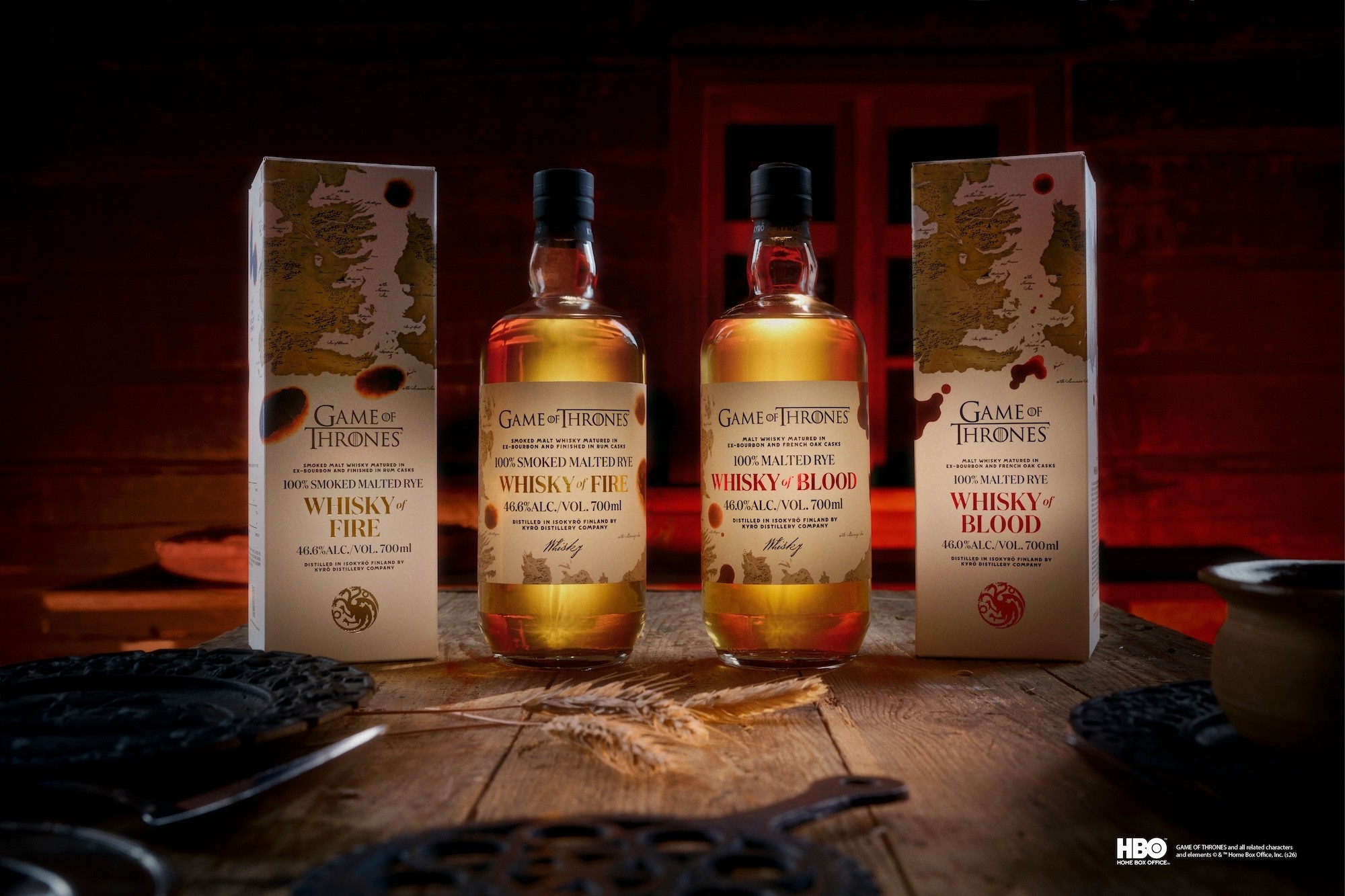
When Kyrö Distillery announced a Game of Thrones whisky partnership this spring, the collaboration seemed unusually ambitious for a company from Isokyrö, a municipality of fewer than 5,000 people on Finland's west coast.

The bottles may grab the headlines. The more interesting story is how Kyrö earned Warner Bros' attention in the first place. For many Finnish founders, global entertainment brands, luxury groups, and multinational corporations can feel inaccessible. Partnerships of that scale appear to belong to a different league. Kyrö found the gap was smaller than it looked.

According to Global Brand & Marketing Director Matti Kovanen, the partnership did not begin with a grand licensing strategy. The deal traces its origins to a chance introduction. A mutual contact introduced Kyrö to HBO Finland. The initial discussions focused on events and activations. 

Kyrö soon floated a bigger idea. "We kind of put out the idea that, hey, would it be possible to create proper collaborative products?"

The company was eventually introduced to Warner Bros' licensing organization. Discussions moved through several franchises before landing on Game of Thrones, resulting in two limited- edition rye whiskies inspired by House Targaryen and its motto, Fire and Blood.

"It's a matter of asking the first question rather than being afraid of the answer already," Kovanen says.

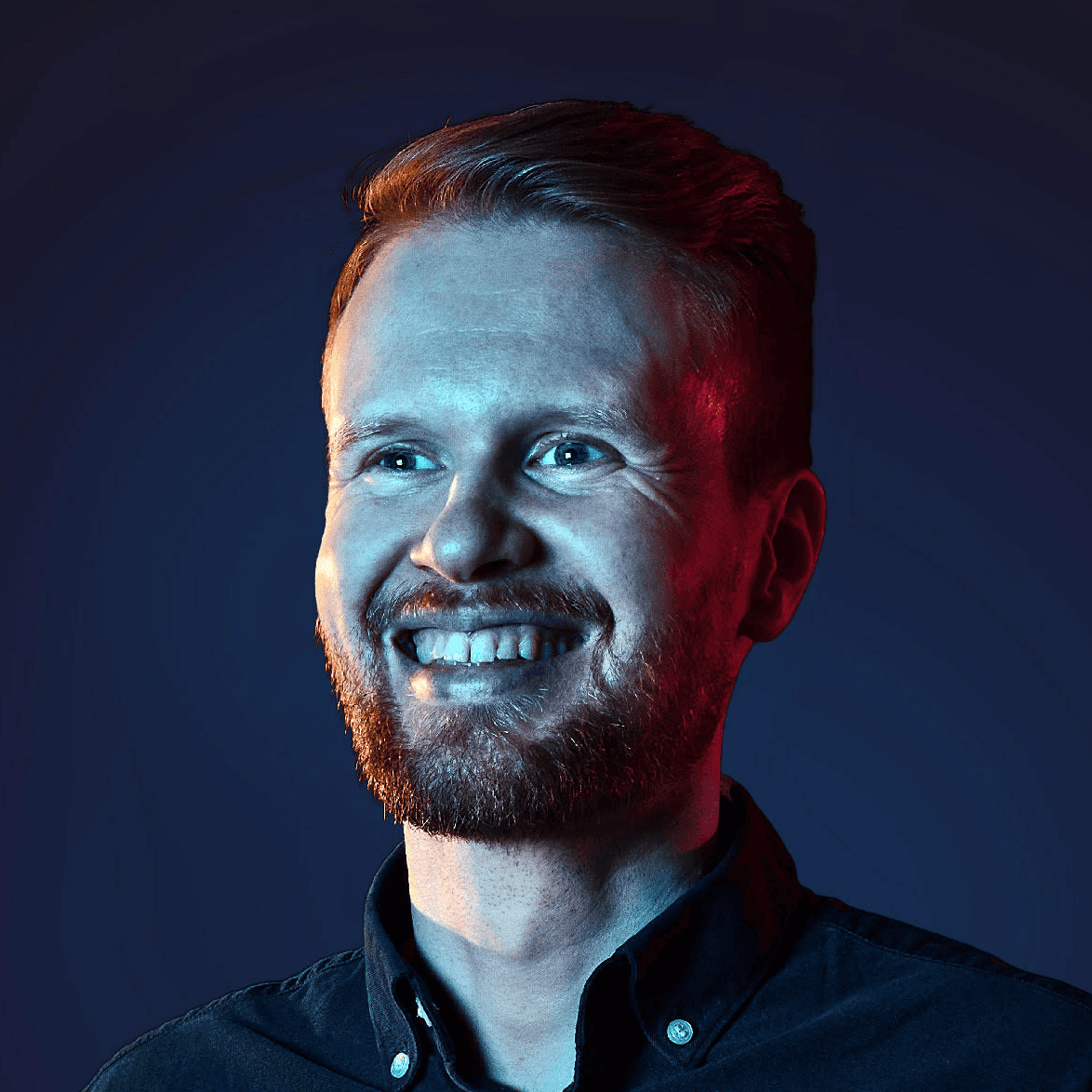
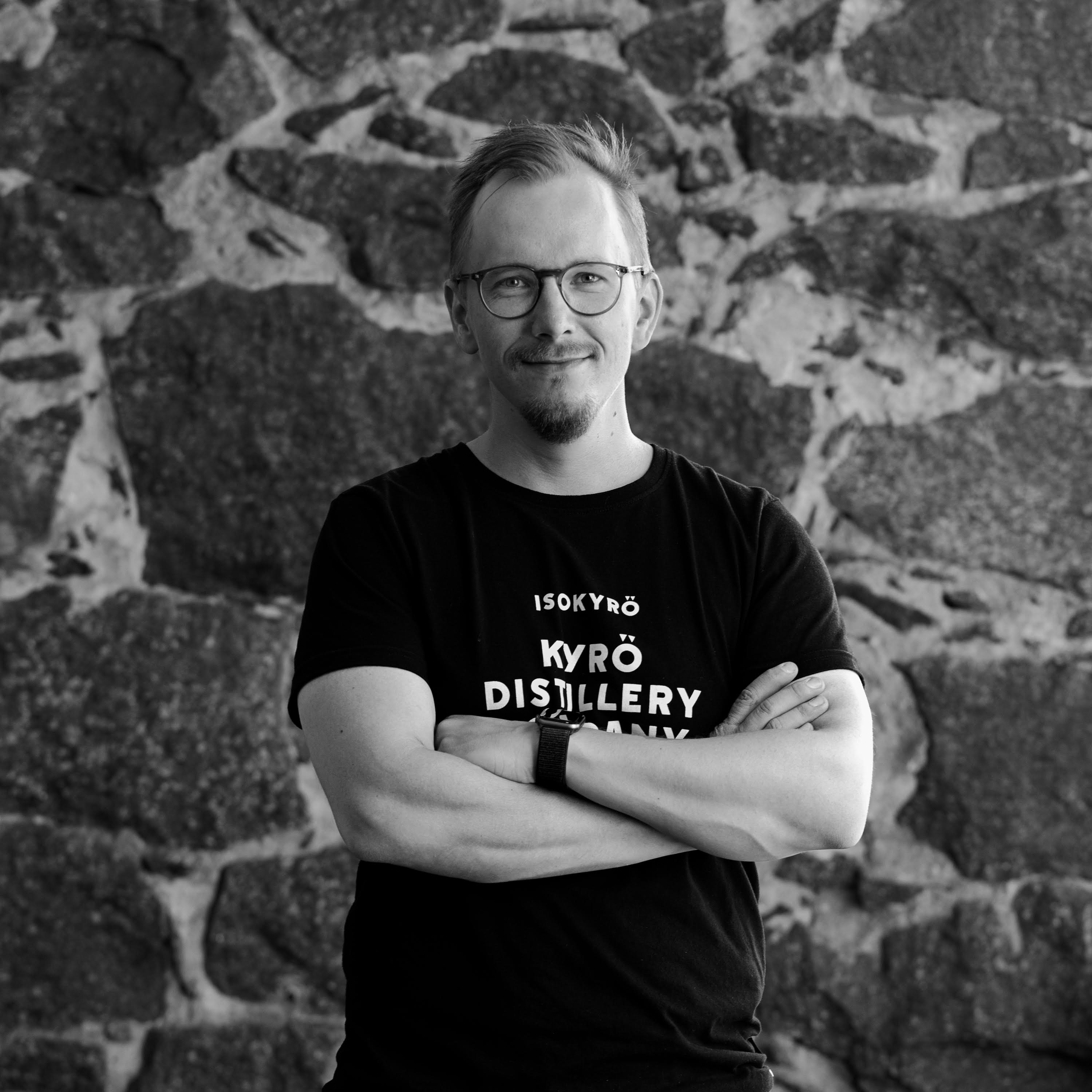
Matti Kovanen joined Kyrö in 2022 and became the global brand and marketing director in January 2026.

The real challenge came after the agreement

Securing the deal turned out to be the easy part. The agreement was signed in December. By January, key decisions around product concepts, packaging, approvals, and production needed to be finalized.

"We think of ourselves as being very agile. But even then, the schedule was very ambitious." The timeline would have been challenging for any consumer products company. Whisky added another layer of complexity.

"Whisky is not a hasty product to create," Kovanen says. While designers, licensing teams, and marketers worked against deadlines, Kyrö's distillers had to create products that could stand alongside both brands.

Kovanen is quick to credit the team. "Luckily, our distillers are so great at producing these beautiful liquids. They quickly came up with the answers to this concept and the proper products and liquids to put in the bottles."

Opportunities rarely arrive on a convenient schedule. By the time they appear, the capabilities already need to be there.

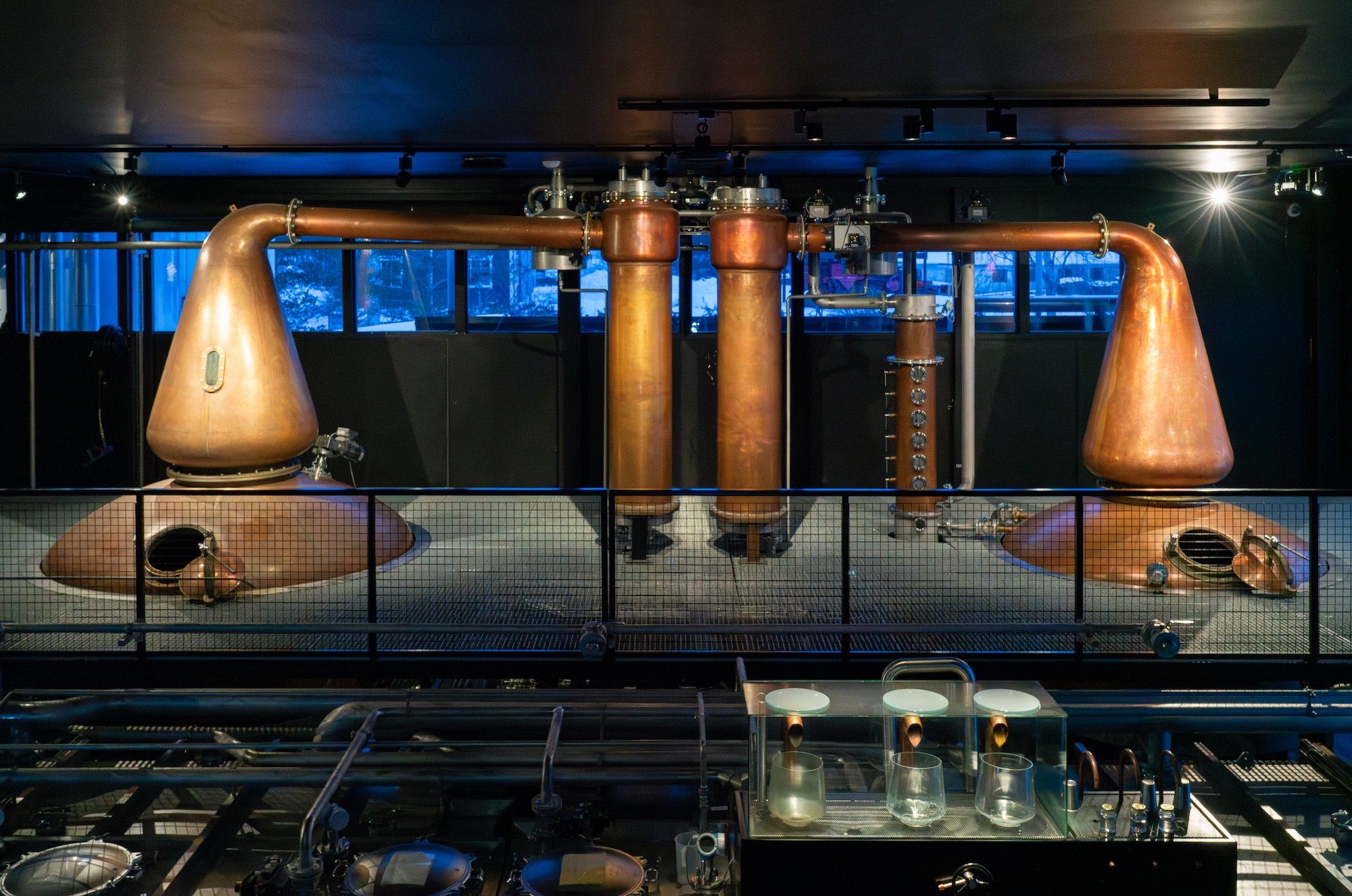
All of Kyrö's whiskies are produced at its distillery in Isokyrö, a municipality in Finland's South Ostrobothnia region near Vaasa.

Why Warner Bros took Kyrö seriously

Kyrö's story began more than a decade ago when five friends sat in a sauna drinking rye whisky and asking a simple question: why wasn't anyone making Finnish rye whisky?

That question eventually became a distillery. There was one problem. Whisky takes years. Once the first barrels were maturing, the founders realized they needed something else to sell while they waited. So they made a gin. As it turned out, the side project changed everything.

In 2015, while co-founder Miika Lipiäinen was on a cycling trip in Estonia, he received an unexpected phone call. Kyrö Napue Gin had been named the world's best gin for gin and tonic at the International Wine and Spirit Competition in the United Kingdom.

The recognition helped introduce Kyrö to audiences far beyond Finland. The company sold out of its gin within days.

More recently, Kyrö's whisky business has built a reputation that extends well beyond Finland. The distillery has appeared in Drinks International's World's Most Admired Whiskies list for five consecutive years, most recently in 2025. By the time Warner Bros entered the picture, Kyrö was no longer an unknown Nordic distillery.

Kovanen suspects that familiarity helped. "They already knew us, and they were kind of fans of our brand. They felt secure enough from the very beginning that this is a respected premium brand."

Many founders focus on the pitch. Kovanen's experience suggests that partnerships are often won long before the first conversation takes place.

Find your version of Finland

Kyrö's brand is deeply Finnish. The company was founded in a sauna. Its spirits are made from Finnish wholegrain rye. Production remains in Isokyrö.

Yet Kovanen draws a distinction between using Finnishness and relying on it. "We are not selling Finland abroad. We are selling ourselves and our brand."

The difference is subtle but important. For Kyrö, Finnishness works when it is connected to something specific: the founding story, the ingredients, the production methods, or the people behind the company.

A recent conversation with an American distributor reinforced that point. The distributor encouraged Kyrö to talk more about Finland's long summer days, foraging culture, and growing conditions. To Finns, those details can feel unremarkable. To international audiences, they can help explain why the product is different.

"Because of the long growth season, our crops tend to have a different taste profile than somewhere else in the world," Kovanen says. The lesson is not to hide where you're from. It is to understand which parts of your story matter to people who are not from there.

When Kyrö Distillery announced a Game of Thrones whisky partnership this spring, the collaboration seemed unusually ambitious for a company from Isokyrö, a municipality of fewer than 5,000 people on Finland's west coast.

The bottles may grab the headlines. The more interesting story is how Kyrö earned Warner Bros' attention in the first place. For many Finnish founders, global entertainment brands, luxury groups, and multinational corporations can feel inaccessible. Partnerships of that scale appear to belong to a different league. Kyrö found the gap was smaller than it looked.

According to Global Brand & Marketing Director Matti Kovanen, the partnership did not begin with a grand licensing strategy. The deal traces its origins to a chance introduction. A mutual contact introduced Kyrö to HBO Finland. The initial discussions focused on events and activations. 

Kyrö soon floated a bigger idea. "We kind of put out the idea that, hey, would it be possible to create proper collaborative products?"

The company was eventually introduced to Warner Bros' licensing organization. Discussions moved through several franchises before landing on Game of Thrones, resulting in two limited- edition rye whiskies inspired by House Targaryen and its motto, Fire and Blood.

"It's a matter of asking the first question rather than being afraid of the answer already," Kovanen says.

Matti Kovanen joined Kyrö in 2022 and became the global brand and marketing director in January 2026.

The real challenge came after the agreement

Securing the deal turned out to be the easy part. The agreement was signed in December. By January, key decisions around product concepts, packaging, approvals, and production needed to be finalized.

"We think of ourselves as being very agile. But even then, the schedule was very ambitious." The timeline would have been challenging for any consumer products company. Whisky added another layer of complexity.

"Whisky is not a hasty product to create," Kovanen says. While designers, licensing teams, and marketers worked against deadlines, Kyrö's distillers had to create products that could stand alongside both brands.

Kovanen is quick to credit the team. "Luckily, our distillers are so great at producing these beautiful liquids. They quickly came up with the answers to this concept and the proper products and liquids to put in the bottles."

Opportunities rarely arrive on a convenient schedule. By the time they appear, the capabilities already need to be there.

All of Kyrö's whiskies are produced at its distillery in Isokyrö, a municipality in Finland's South Ostrobothnia region near Vaasa.

Why Warner Bros took Kyrö seriously

Kyrö's story began more than a decade ago when five friends sat in a sauna drinking rye whisky and asking a simple question: why wasn't anyone making Finnish rye whisky?

That question eventually became a distillery. There was one problem. Whisky takes years. Once the first barrels were maturing, the founders realized they needed something else to sell while they waited. So they made a gin. As it turned out, the side project changed everything.

In 2015, while co-founder Miika Lipiäinen was on a cycling trip in Estonia, he received an unexpected phone call. Kyrö Napue Gin had been named the world's best gin for gin and tonic at the International Wine and Spirit Competition in the United Kingdom.

The recognition helped introduce Kyrö to audiences far beyond Finland. The company sold out of its gin within days.

More recently, Kyrö's whisky business has built a reputation that extends well beyond Finland. The distillery has appeared in Drinks International's World's Most Admired Whiskies list for five consecutive years, most recently in 2025. By the time Warner Bros entered the picture, Kyrö was no longer an unknown Nordic distillery.

Kovanen suspects that familiarity helped. "They already knew us, and they were kind of fans of our brand. They felt secure enough from the very beginning that this is a respected premium brand."

Many founders focus on the pitch. Kovanen's experience suggests that partnerships are often won long before the first conversation takes place.

Find your version of Finland

Kyrö's brand is deeply Finnish. The company was founded in a sauna. Its spirits are made from Finnish wholegrain rye. Production remains in Isokyrö.

Yet Kovanen draws a distinction between using Finnishness and relying on it. "We are not selling Finland abroad. We are selling ourselves and our brand."

The difference is subtle but important. For Kyrö, Finnishness works when it is connected to something specific: the founding story, the ingredients, the production methods, or the people behind the company.

A recent conversation with an American distributor reinforced that point. The distributor encouraged Kyrö to talk more about Finland's long summer days, foraging culture, and growing conditions. To Finns, those details can feel unremarkable. To international audiences, they can help explain why the product is different.

"Because of the long growth season, our crops tend to have a different taste profile than somewhere else in the world," Kovanen says. The lesson is not to hide where you're from. It is to understand which parts of your story matter to people who are not from there.

Weekend

AI is becoming part therapist, part advisor, part colleague, HBR analysis shows

Jun 19, 2026

Research published by Harvard Business Review suggests AI is evolving from a productivity tool into something far more personal.

For the past three years, AI has largely been framed as a workplace tool. It drafts emails, summarizes reports, writes code, and automates routine tasks.

But according to the latest AI in the Wild study, published in the Harvard Business Review, people are increasingly using AI for something else: support. The research analyzed more than 12,000 real-world AI use cases between March 2025 and February 2026 and found that therapy and companionship remained the most common use case for a second consecutive year. Relationship advice, workplace guidance, and decision support also ranked among the most popular applications.

The biggest shift from last year is not what sits at number one. It is what has risen around it. In 2025, users frequently turned to AI for enhanced learning, finding purpose, generating ideas, and organizing their lives. Those categories have largely given way to more interpersonal uses. People increasingly rely on AI to navigate relationships, workplace interactions, and difficult decisions.

The trend is visible across the dataset. Personal and professional support now accounts for 34% of observed AI use cases, up from 17% in 2024.

The new sounding board

For many professionals, AI has become a place to test ideas before sharing them with others.

One user described using it to pressure test arguments rather than generate them: "I use AI all the time to evaluate an argument I've written and have the AI try to poke holes in it. I then assess if I'm missing something and go back to refine it myself. AI is a mirror, not a genie."

Used this way, AI functions less as an assistant and more as a sparring partner. It helps users challenge assumptions, refine arguments, and think through decisions before taking action.

Research published by Harvard Business Review suggests AI is evolving from a productivity tool into something far more personal.

For the past three years, AI has largely been framed as a workplace tool. It drafts emails, summarizes reports, writes code, and automates routine tasks.

But according to the latest AI in the Wild study, published in the Harvard Business Review, people are increasingly using AI for something else: support. The research analyzed more than 12,000 real-world AI use cases between March 2025 and February 2026 and found that therapy and companionship remained the most common use case for a second consecutive year. Relationship advice, workplace guidance, and decision support also ranked among the most popular applications.

The biggest shift from last year is not what sits at number one. It is what has risen around it. In 2025, users frequently turned to AI for enhanced learning, finding purpose, generating ideas, and organizing their lives. Those categories have largely given way to more interpersonal uses. People increasingly rely on AI to navigate relationships, workplace interactions, and difficult decisions.

The trend is visible across the dataset. Personal and professional support now accounts for 34% of observed AI use cases, up from 17% in 2024.

The new sounding board

For many professionals, AI has become a place to test ideas before sharing them with others.

One user described using it to pressure test arguments rather than generate them: "I use AI all the time to evaluate an argument I've written and have the AI try to poke holes in it. I then assess if I'm missing something and go back to refine it myself. AI is a mirror, not a genie."

Used this way, AI functions less as an assistant and more as a sparring partner. It helps users challenge assumptions, refine arguments, and think through decisions before taking action.

Weekend

Finns plan to spend €1,280 on summer vacations, the highest level on record, Nordea poll finds

Jun 11, 2026

Finns are planning to spend more on their summer vacations this year, offering one of the clearest signs yet that consumer confidence is recovering.

According to the results of a new Nordea survey, the average summer vacation budget for 2026 is €1,279, up 9% from last year. It is the highest figure recorded since the bank began tracking the data in 2019.

The increase comes after several years in which rising living costs constrained household spending. While nearly half of respondents said inflation still affects their vacation plans, that share has declined steadily over the past four years. The result suggests that many households are beginning to feel more comfortable spending on experiences rather than focusing solely on essential expenses.

“The growth in summer vacation budgets is once again a strong signal of strengthening consumer confidence and an improving economy,” said Jani Eloranta, head of personal banking at Nordea Finland.

Finns are planning to spend more on their summer vacations this year, offering one of the clearest signs yet that consumer confidence is recovering.

According to the results of a new Nordea survey, the average summer vacation budget for 2026 is €1,279, up 9% from last year. It is the highest figure recorded since the bank began tracking the data in 2019.

The increase comes after several years in which rising living costs constrained household spending. While nearly half of respondents said inflation still affects their vacation plans, that share has declined steadily over the past four years. The result suggests that many households are beginning to feel more comfortable spending on experiences rather than focusing solely on essential expenses.

“The growth in summer vacation budgets is once again a strong signal of strengthening consumer confidence and an improving economy,” said Jani Eloranta, head of personal banking at Nordea Finland.

Weekend

Founder and VC Joakim Achrén: When work became the sleep problem, and why he wrote Sleep Again

Apr 1, 2026

Joakim Achrén had done most of the things founders aim for.

He built a mobile games company and exited to Netflix. He spent years as a VC. And still, there was one problem he hadn’t been able to solve: sleep.

That is what eventually led him to write Sleep Again (April, 2026), an attempt to understand what’s really going on beneath the surface for high-performing people who can’t switch off.

The problem isn’t stress. It’s stimulation.

For a long time, Achrén assumed his sleep issues were stress-related. That made sense during his burnout in 2019.

But what confused him was what came after recovery. The work wasn’t heavy anymore. If anything, it was the opposite. He wasn’t under pressure. He was enjoying it. And yet, the sleep didn’t improve.

At some point, that contradiction forced a different conclusion: “The job was fun. I wasn’t worrying. And I still slept badly.”

It wasn’t stress keeping him awake. It was something harder to switch off. “My nervous system cannot quiet for the night.” And the more engaging the work became, the clearer that pattern got: “It is so much fun that it becomes the problem.”

There’s a biological reason for this. In Sleep Again, Achrén describes how the body is designed to shift out of alert mode in the evening. Cortisol drops, melatonin rises, and the system prepares for recovery. But if you stay mentally active too late, that transition doesn’t happen. The body stays in “on” mode. Once that pattern repeats, the system stops resetting properly, even if you’re technically getting enough hours.

There’s another layer. Sleep isn’t just rest. It’s processing. Sleep researchers describe it as a form of “emotional metabolism.” During REM sleep, the brain processes unresolved thoughts and tensions from the day. Without that, the system never fully resets, as Achrén painfully found out. 

Modern work makes this harder. In the 1970s, around 10–15% of adults reported insomnia. Today, it’s closer to 30%, the book shows. Constant stimulation, global work hours, and always-on expectations have made recovery more fragile.

Why high performers break their own sleep

Like many founders, Achrén approached the problem of sleep with data. He tracked it, measured it, and looked for patterns. At first, it helped. Then it became something else.

“I was looking at streaks. Consecutive nights of above seven hours.” What started as awareness turned into a game that felt obsessive. “That’s a compulsion loop that is not good.”

In Sleep Again, Achrén describes orthosomnia, the fear of not sleeping well. For him, it was reinforced by exposure to content like Andrew Huberman’s, which links poor sleep to Alzheimer’s and cognitive decline, a fear he describes as one of his biggest triggers. Sleep started to feel less like rest and more like risk management, turning it into something he had to get right, which made switching off harder.

The shift: from control to understanding

The breakthrough didn’t come from a better routine. It came after trying the obvious fixes and realizing they weren’t working.

At one point, Achrén experimented with melatonin. “It was like a poison for me. I felt like I didn’t sleep at all.” That forced a deeper question: what is actually causing this? Because the pattern wasn’t random.

When he looked closer, bad nights weren’t just about long days or late screens. They were tied to what carried over from the day. Sometimes anxiety. Often the opposite. “I’m just too excited about something that I’m doing… I can’t stop thinking about it.”

That shifted the focus. Instead of fixing sleep directly, he started looking at inputs. What he was working on. How stimulating it was. Whether his mind had any chance to slow down. Eventually, he created a detailed wind-down routine to calm his racing mind.

Another realization came from something more basic: when he actually worked best. For years, Achrén tried to follow the standard early-founder routine. It never quite fit. 

In Sleep Again, he describes discovering he’s a late chronotype — and how a simple 90-minute shift in his sleep-wake cycle improved both sleep and mental clarity.

Joakim Achrén had done most of the things founders aim for.

He built a mobile games company and exited to Netflix. He spent years as a VC. And still, there was one problem he hadn’t been able to solve: sleep.

That is what eventually led him to write Sleep Again (April, 2026), an attempt to understand what’s really going on beneath the surface for high-performing people who can’t switch off.

The problem isn’t stress. It’s stimulation.

For a long time, Achrén assumed his sleep issues were stress-related. That made sense during his burnout in 2019.

But what confused him was what came after recovery. The work wasn’t heavy anymore. If anything, it was the opposite. He wasn’t under pressure. He was enjoying it. And yet, the sleep didn’t improve.

At some point, that contradiction forced a different conclusion: “The job was fun. I wasn’t worrying. And I still slept badly.”

It wasn’t stress keeping him awake. It was something harder to switch off. “My nervous system cannot quiet for the night.” And the more engaging the work became, the clearer that pattern got: “It is so much fun that it becomes the problem.”

There’s a biological reason for this. In Sleep Again, Achrén describes how the body is designed to shift out of alert mode in the evening. Cortisol drops, melatonin rises, and the system prepares for recovery. But if you stay mentally active too late, that transition doesn’t happen. The body stays in “on” mode. Once that pattern repeats, the system stops resetting properly, even if you’re technically getting enough hours.

There’s another layer. Sleep isn’t just rest. It’s processing. Sleep researchers describe it as a form of “emotional metabolism.” During REM sleep, the brain processes unresolved thoughts and tensions from the day. Without that, the system never fully resets, as Achrén painfully found out. 

Modern work makes this harder. In the 1970s, around 10–15% of adults reported insomnia. Today, it’s closer to 30%, the book shows. Constant stimulation, global work hours, and always-on expectations have made recovery more fragile.

Why high performers break their own sleep

Like many founders, Achrén approached the problem of sleep with data. He tracked it, measured it, and looked for patterns. At first, it helped. Then it became something else.

“I was looking at streaks. Consecutive nights of above seven hours.” What started as awareness turned into a game that felt obsessive. “That’s a compulsion loop that is not good.”

In Sleep Again, Achrén describes orthosomnia, the fear of not sleeping well. For him, it was reinforced by exposure to content like Andrew Huberman’s, which links poor sleep to Alzheimer’s and cognitive decline, a fear he describes as one of his biggest triggers. Sleep started to feel less like rest and more like risk management, turning it into something he had to get right, which made switching off harder.

The shift: from control to understanding

The breakthrough didn’t come from a better routine. It came after trying the obvious fixes and realizing they weren’t working.

At one point, Achrén experimented with melatonin. “It was like a poison for me. I felt like I didn’t sleep at all.” That forced a deeper question: what is actually causing this? Because the pattern wasn’t random.

When he looked closer, bad nights weren’t just about long days or late screens. They were tied to what carried over from the day. Sometimes anxiety. Often the opposite. “I’m just too excited about something that I’m doing… I can’t stop thinking about it.”

That shifted the focus. Instead of fixing sleep directly, he started looking at inputs. What he was working on. How stimulating it was. Whether his mind had any chance to slow down. Eventually, he created a detailed wind-down routine to calm his racing mind.

Another realization came from something more basic: when he actually worked best. For years, Achrén tried to follow the standard early-founder routine. It never quite fit. 

In Sleep Again, he describes discovering he’s a late chronotype — and how a simple 90-minute shift in his sleep-wake cycle improved both sleep and mental clarity.

Weekend

Executive coach Thoby Solheim on addiction, ambition, and the hidden pressure of high-performance leadership

Mar 13, 2026

“I have a choice about when I start drinking. But once I start, I don’t have a choice about when I stop.” For many years, that sentence described the private reality of Thoby Solheim’s life while his professional life told a very different story.

At the time, Solheim was a successful investment banker working with some of the world’s largest institutional investors. From the outside, everything looked exactly as it should for a high-performing leader in global finance.

Yet behind the scenes, something was slipping out of control.

Today, Solheim speaks about that period openly. After leaving banking, he retrained as an executive coach and now works with leaders navigating pressure, identity, and performance. His perspective on leadership is shaped not only by years inside the financial industry but also by his own experience with alcohol addiction.

“We still have a level of shame about alcoholism,” he says. “We moralize it.” That shame often prevents leaders from speaking about what they are going through — even when they know something is wrong.

Success and silence

Solheim began his career in the mid-1990s as an equity sales trader in London, a world defined by long hours, intense competition, and relentless expectations.

“You worked hard, you worked long hours, you got up early,” he recalls. “And then you had at least two nights a week of socializing and drinking.”

Alcohol was woven into the rhythm of the industry. Deals were celebrated with drinks. Lost opportunities were softened with drinks. Success and disappointment triggered the same ritual.

“We would win a deal, we would celebrate, and go big. We’d lose a deal, we’d commiserate and go big.”

Over time, both outcomes started to produce the same thought. “Oh, I did so well today — I’ll have a drink. Oh, I didn’t do well today — I’ll have a drink.”

For Solheim, alcohol also served another purpose. As an extrovert with a hint of introversion working in an intensely social profession, it helped him loosen up in situations that demanded constant networking and relationship building.

But gradually something changed. Drinking stopped being casual. It became intentional. That realization led to a darker understanding: the moment drinking began, control disappeared.

The illusion of the high-functioning leader

Despite his growing dependence, Solheim’s career continued to advance.

He eventually became head of trading at Portuguese investment bank Banco BPI and later worked with Macquarie Group in South Africa. His professional performance remained strong. His reputation remained intact.

Externally, he appeared to be thriving. Internally, however, the dynamic was becoming more fragile. Solheim describes himself during that period as what many would call a high-functioning alcoholic — someone whose outward success masked an escalating personal struggle. “Often people realize their problem long before the system notices,” he says.

Leaders in positions of authority are rarely confronted directly about risky behavior. Performance can mask warning signs, and power often creates distance between the individual and honest feedback.

“From the outside, everything can look successful,” Solheim says. “The system is reasonably blissfully unaware.” Eventually, however, the effects begin to surface. Substance abuse gradually weakens the very capabilities leaders rely on most: judgment, impulse control, and emotional regulation under pressure.

The pressure behind ambition

Looking back, Solheim believes there is often a deeper connection between ambition and vulnerability.

“In the drive for high performance, maybe there is a sacrifice on the other side,” he reflects. For many leaders, that sacrifice can involve mental health. “There can be a link between anxiety and self-worth,” he says. “And that can become exposed in highly competitive environments.”

Research increasingly supports this observation. Studies show a strong relationship between anxiety disorders and alcohol misuse. Anxiety increases the likelihood of alcohol dependency, while alcohol use can intensify anxiety over time.

Alcohol can also act as a signal that the workday is over. High achievers often compress recovery into short bursts of intense decompression — what Solheim describes as accelerated “me time.”

“Alcohol was a medicator that helped tone down excitement,” he says.

“I have a choice about when I start drinking. But once I start, I don’t have a choice about when I stop.” For many years, that sentence described the private reality of Thoby Solheim’s life while his professional life told a very different story.

At the time, Solheim was a successful investment banker working with some of the world’s largest institutional investors. From the outside, everything looked exactly as it should for a high-performing leader in global finance.

Yet behind the scenes, something was slipping out of control.

Today, Solheim speaks about that period openly. After leaving banking, he retrained as an executive coach and now works with leaders navigating pressure, identity, and performance. His perspective on leadership is shaped not only by years inside the financial industry but also by his own experience with alcohol addiction.

“We still have a level of shame about alcoholism,” he says. “We moralize it.” That shame often prevents leaders from speaking about what they are going through — even when they know something is wrong.

Success and silence

Solheim began his career in the mid-1990s as an equity sales trader in London, a world defined by long hours, intense competition, and relentless expectations.

“You worked hard, you worked long hours, you got up early,” he recalls. “And then you had at least two nights a week of socializing and drinking.”

Alcohol was woven into the rhythm of the industry. Deals were celebrated with drinks. Lost opportunities were softened with drinks. Success and disappointment triggered the same ritual.

“We would win a deal, we would celebrate, and go big. We’d lose a deal, we’d commiserate and go big.”

Over time, both outcomes started to produce the same thought. “Oh, I did so well today — I’ll have a drink. Oh, I didn’t do well today — I’ll have a drink.”

For Solheim, alcohol also served another purpose. As an extrovert with a hint of introversion working in an intensely social profession, it helped him loosen up in situations that demanded constant networking and relationship building.

But gradually something changed. Drinking stopped being casual. It became intentional. That realization led to a darker understanding: the moment drinking began, control disappeared.

The illusion of the high-functioning leader

Despite his growing dependence, Solheim’s career continued to advance.

He eventually became head of trading at Portuguese investment bank Banco BPI and later worked with Macquarie Group in South Africa. His professional performance remained strong. His reputation remained intact.

Externally, he appeared to be thriving. Internally, however, the dynamic was becoming more fragile. Solheim describes himself during that period as what many would call a high-functioning alcoholic — someone whose outward success masked an escalating personal struggle. “Often people realize their problem long before the system notices,” he says.

Leaders in positions of authority are rarely confronted directly about risky behavior. Performance can mask warning signs, and power often creates distance between the individual and honest feedback.

“From the outside, everything can look successful,” Solheim says. “The system is reasonably blissfully unaware.” Eventually, however, the effects begin to surface. Substance abuse gradually weakens the very capabilities leaders rely on most: judgment, impulse control, and emotional regulation under pressure.

The pressure behind ambition

Looking back, Solheim believes there is often a deeper connection between ambition and vulnerability.

“In the drive for high performance, maybe there is a sacrifice on the other side,” he reflects. For many leaders, that sacrifice can involve mental health. “There can be a link between anxiety and self-worth,” he says. “And that can become exposed in highly competitive environments.”

Research increasingly supports this observation. Studies show a strong relationship between anxiety disorders and alcohol misuse. Anxiety increases the likelihood of alcohol dependency, while alcohol use can intensify anxiety over time.

Alcohol can also act as a signal that the workday is over. High achievers often compress recovery into short bursts of intense decompression — what Solheim describes as accelerated “me time.”

“Alcohol was a medicator that helped tone down excitement,” he says.

Weekend

Wolt, SEES, and Salama show the power of a small market

Feb 19, 2026

“Five and a half million people with modest purchasing power and even weaker willingness to spend,” says Riku Vassinen, CEO of marketing communications agency Hasan and Partners and a board member at Salama Brewing Company, describing the Finnish market. It is, he adds, “a difficult combination. The market exists elsewhere.”

For Salama, fragrance house SEES, and food delivery company Wolt, that reality has shaped strategy from the start. In a small home market, growth demands sharper positioning and earlier international moves, sometimes even at a Hollywood scale.
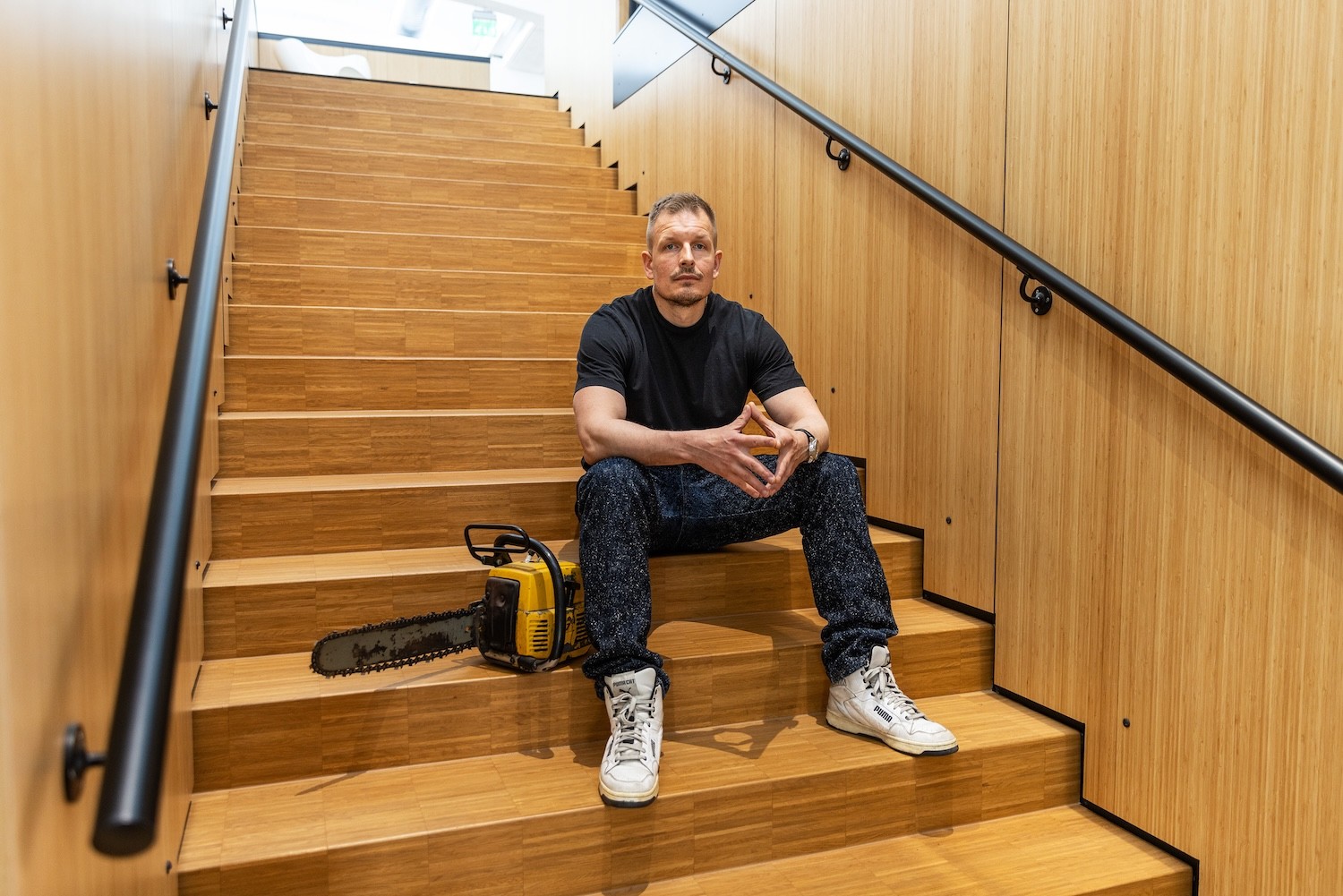
Riku Vassinen, CEO of marketing communications agency Hasan and Partners and a board member at Salama Brewing. Photo given by Vassinen.

Salama. Export as structure

Salama, a craft brewer founded by four friends in 2019, shows how quickly the domestic ceiling appears.

The Helsinki-based brewery recently began exporting to China, marking its 23rd export market. Export revenue is approaching half of the total turnover. At the current pace, Sweden may soon surpass Finland as its largest market.

International growth has been deliberate. Salama has maintained a steady presence at festivals, bars, and trade events outside Finland.

Recognition followed. Hop Culture selected Salama as one of the most interesting breweries in the world in 2025. The New York Times listed its Salamanation bar as a must-visit destination in Helsinki. In an ironic twist, fame abroad accelerated recognition at home.

SEES. Small and fast

SEES, led by CEO Elisa Koivumaa, represents a different kind of leverage.
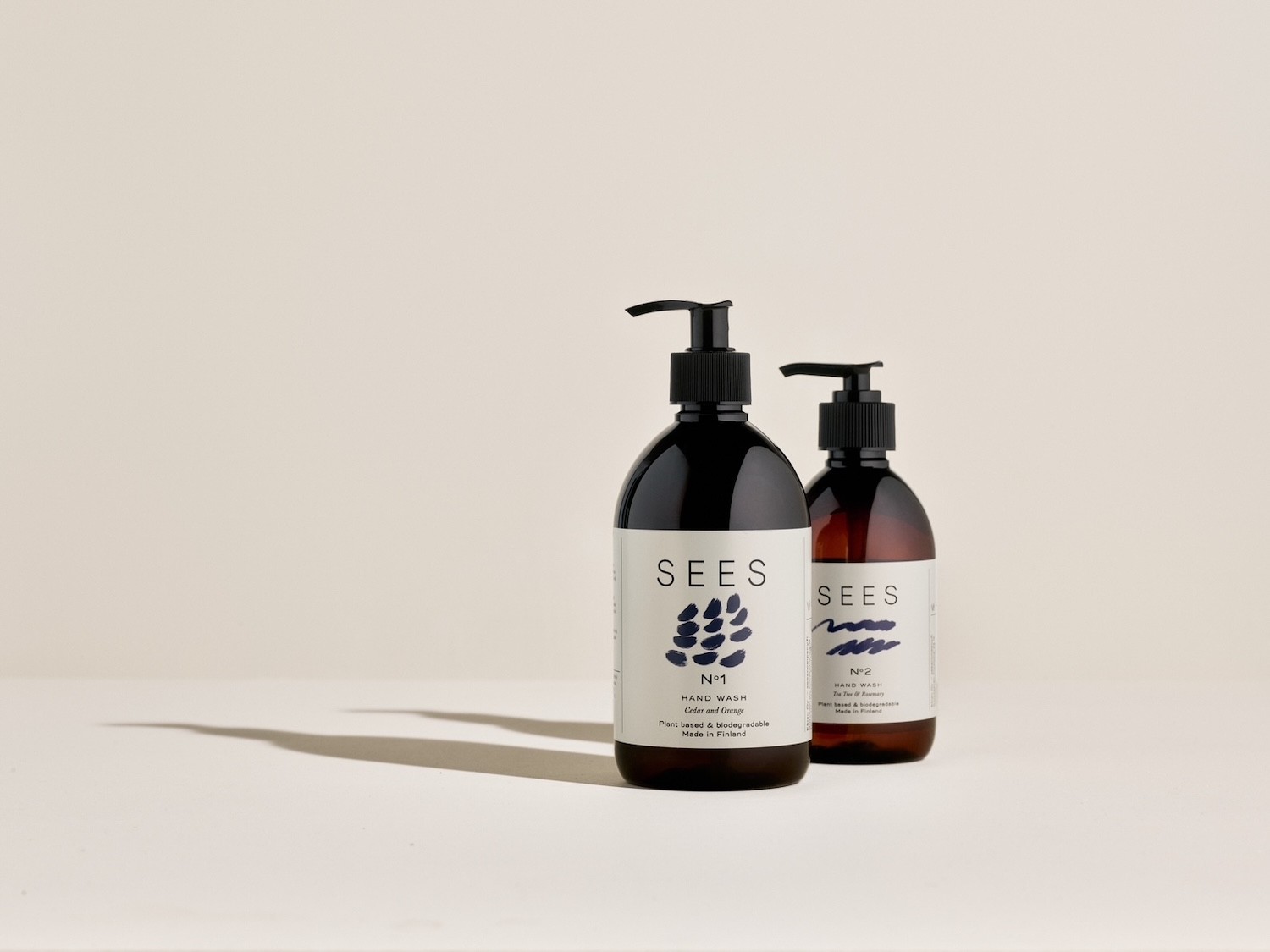
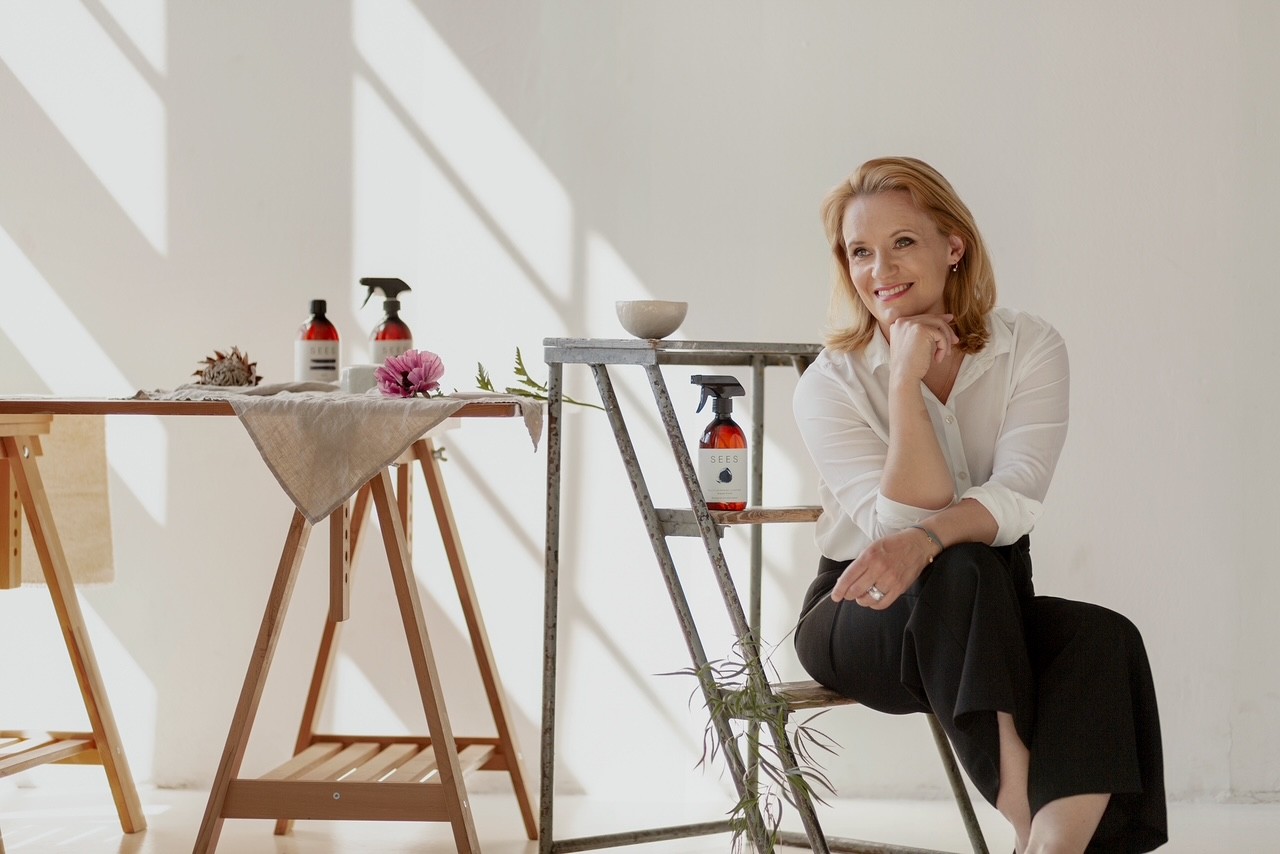
SEES hand wash products. Photographed by Christian Jakowleff.

Earlier this month, the Finnish fragrance house placed its products in the Grammy Awards goodie bags, Koivumaa shared on LinkedIn. International visibility had been building earlier. SEES products had appeared in the And Just Like That series, Koivumaa explains to Listeds.

The collaboration came without a marketing agency. Someone on the HBO team had discovered SEES on Instagram and was drawn to its minimalist aesthetic.

“Small can be an advantage,” Koivumaa says, adding that a niche brand like SEES should think globally from day one.

Her thinking was shaped by time spent living in Japan, where branding, storytelling, and restraint are highly valued. The experience led her to question why Finland’s strengths, pure nature, quiet design, and conceptual clarity, so rarely translate into global hit brands.

Part of the obstacle, she suspects, is fear of failure. Some founders worry that not entering large supermarket chains signals defeat. Koivumaa disagrees. When HBO requested products for the sequel to the HBO series Sex and the City, SEES was able to customize the products and meet the requirements immediately.

Being niche allows the brand to position itself as exclusive and premium. Producing biodegradable cosmetics, scents, and detergents in Finland is not a limitation. It enables SEES to say yes only to opportunities that align with its values. Above all, it leaves room to think internationally from day one.

Wolt. Hollywood without hesitation

Wolt, acquired by DoorDash in 2022, reflects the same small market logic at a greater scale, with the backing to think bigger.

Andrew MacDonald, CEO of MacWell (wearing black), photographed during filming with Owen Wilson in Australia. Photo provided by MacWell.

In its first global brand ambassador campaign, Wolt cast Owen Wilson, known from Midnight in Paris and Zoolander, and rolled out a cinematic campaign across 25 countries last year.

According to MacWell, the agency leading the project, the decisive factor was not the celebrity alone but the process. As Andrew MacDonald, CEO of MacWell, puts it: "Wolt was looking for an iconic face whose influence could travel across regions while still feeling neighborly and authentic.” Wilson was selected after extensive shortlisting, and the creative was written with his voice in mind. The guiding question was simple: how would Owen do this?"

The production took place in Australia over a single, tightly orchestrated day, involving multiple teams and remote collaboration. The more lasting lesson came afterward.

“A celebrity is not an idea. You need to match the persona's brand to your brand positioning,” says Liisa Paasio, executive creative director at MacWell. It requires investments, she states, but offers exponential returns.

MacWell's Executive Creative Producer Marc Stevenson urges Finnish companies to ask bigger questions. What kind of campaign could we build with an A-list star? What if it were possible? He sums it up: “If you do not ask, you do not receive.” 

Built for beyond

Vassinen argues that the shift must happen early. “Companies must look beyond Finnish borders. This means that leaders must speak to global audiences and brands must be built for international relevance from the very beginning.”

For Salama, that has meant export markets accounting for nearly half of revenue. For SEES, it has meant designing a brand that can respond quickly when the global media calls. For Wolt, it has meant launching a campaign across 25 countries with a Hollywood actor at its center.

Finland’s 5.5 million consumers do not allow companies to rely solely on domestic depth. The constraint demands clarity, speed, and international orientation.

“Five and a half million people with modest purchasing power and even weaker willingness to spend,” says Riku Vassinen, CEO of marketing communications agency Hasan and Partners and a board member at Salama Brewing Company, describing the Finnish market. It is, he adds, “a difficult combination. The market exists elsewhere.”

For Salama, fragrance house SEES, and food delivery company Wolt, that reality has shaped strategy from the start. In a small home market, growth demands sharper positioning and earlier international moves, sometimes even at a Hollywood scale.

Riku Vassinen, CEO of marketing communications agency Hasan and Partners and a board member at Salama Brewing. Photo given by Vassinen.

Salama. Export as structure

Salama, a craft brewer founded by four friends in 2019, shows how quickly the domestic ceiling appears.

The Helsinki-based brewery recently began exporting to China, marking its 23rd export market. Export revenue is approaching half of the total turnover. At the current pace, Sweden may soon surpass Finland as its largest market.

International growth has been deliberate. Salama has maintained a steady presence at festivals, bars, and trade events outside Finland.

Recognition followed. Hop Culture selected Salama as one of the most interesting breweries in the world in 2025. The New York Times listed its Salamanation bar as a must-visit destination in Helsinki. In an ironic twist, fame abroad accelerated recognition at home.

SEES. Small and fast

SEES, led by CEO Elisa Koivumaa, represents a different kind of leverage.

SEES hand wash products. Photographed by Christian Jakowleff.

Earlier this month, the Finnish fragrance house placed its products in the Grammy Awards goodie bags, Koivumaa shared on LinkedIn. International visibility had been building earlier. SEES products had appeared in the And Just Like That series, Koivumaa explains to Listeds.

The collaboration came without a marketing agency. Someone on the HBO team had discovered SEES on Instagram and was drawn to its minimalist aesthetic.

“Small can be an advantage,” Koivumaa says, adding that a niche brand like SEES should think globally from day one.

Her thinking was shaped by time spent living in Japan, where branding, storytelling, and restraint are highly valued. The experience led her to question why Finland’s strengths, pure nature, quiet design, and conceptual clarity, so rarely translate into global hit brands.

Part of the obstacle, she suspects, is fear of failure. Some founders worry that not entering large supermarket chains signals defeat. Koivumaa disagrees. When HBO requested products for the sequel to the HBO series Sex and the City, SEES was able to customize the products and meet the requirements immediately.

Being niche allows the brand to position itself as exclusive and premium. Producing biodegradable cosmetics, scents, and detergents in Finland is not a limitation. It enables SEES to say yes only to opportunities that align with its values. Above all, it leaves room to think internationally from day one.

Wolt. Hollywood without hesitation

Wolt, acquired by DoorDash in 2022, reflects the same small market logic at a greater scale, with the backing to think bigger.

Andrew MacDonald, CEO of MacWell (wearing black), photographed during filming with Owen Wilson in Australia. Photo provided by MacWell.

In its first global brand ambassador campaign, Wolt cast Owen Wilson, known from Midnight in Paris and Zoolander, and rolled out a cinematic campaign across 25 countries last year.

According to MacWell, the agency leading the project, the decisive factor was not the celebrity alone but the process. As Andrew MacDonald, CEO of MacWell, puts it: "Wolt was looking for an iconic face whose influence could travel across regions while still feeling neighborly and authentic.” Wilson was selected after extensive shortlisting, and the creative was written with his voice in mind. The guiding question was simple: how would Owen do this?"

The production took place in Australia over a single, tightly orchestrated day, involving multiple teams and remote collaboration. The more lasting lesson came afterward.

“A celebrity is not an idea. You need to match the persona's brand to your brand positioning,” says Liisa Paasio, executive creative director at MacWell. It requires investments, she states, but offers exponential returns.

MacWell's Executive Creative Producer Marc Stevenson urges Finnish companies to ask bigger questions. What kind of campaign could we build with an A-list star? What if it were possible? He sums it up: “If you do not ask, you do not receive.” 

Built for beyond

Vassinen argues that the shift must happen early. “Companies must look beyond Finnish borders. This means that leaders must speak to global audiences and brands must be built for international relevance from the very beginning.”

For Salama, that has meant export markets accounting for nearly half of revenue. For SEES, it has meant designing a brand that can respond quickly when the global media calls. For Wolt, it has meant launching a campaign across 25 countries with a Hollywood actor at its center.

Finland’s 5.5 million consumers do not allow companies to rely solely on domestic depth. The constraint demands clarity, speed, and international orientation.
Stay on the pulse, catch the signals

Register to Listeds Platform to follow companies and leaders

Stay on the pulse, catch the signals

Register to Listeds Platform to follow companies and leaders

Latest updates

Latest signalsLive feed

Stay on the pulse, catch the signals

Subscribe to Listeds Leadership Intelligence Platform:

  • leader and company database access

  • email alerts

  • career, boards and interim opportunities

Our Pulse newsletter

Your weekly leadership intelligence briefing.

What happened, why it matters, and what to watch across every CEO, board, and executive move in Nordic listed companies, starting with Finland. Fast, factual, and to the point.

Delivered every Monday.

By signing up, you agree to our Privacy Policy

Join our Pulse, Best-of-the-Week, and Weekend newsletters

Join our Pulse, Best-of-the-Week, and Weekend newsletters