According to fresh figures from the Association of Finnish Travel Industry (SMAL), Finns are still travelling — even as the economy tightens and climate concerns reshape behaviour. Travel agency sales grew again in 2025, up just over four percent. Travel hasn’t disappeared. It has softened, stretched, and rearranged itself.
Portugal, slowly
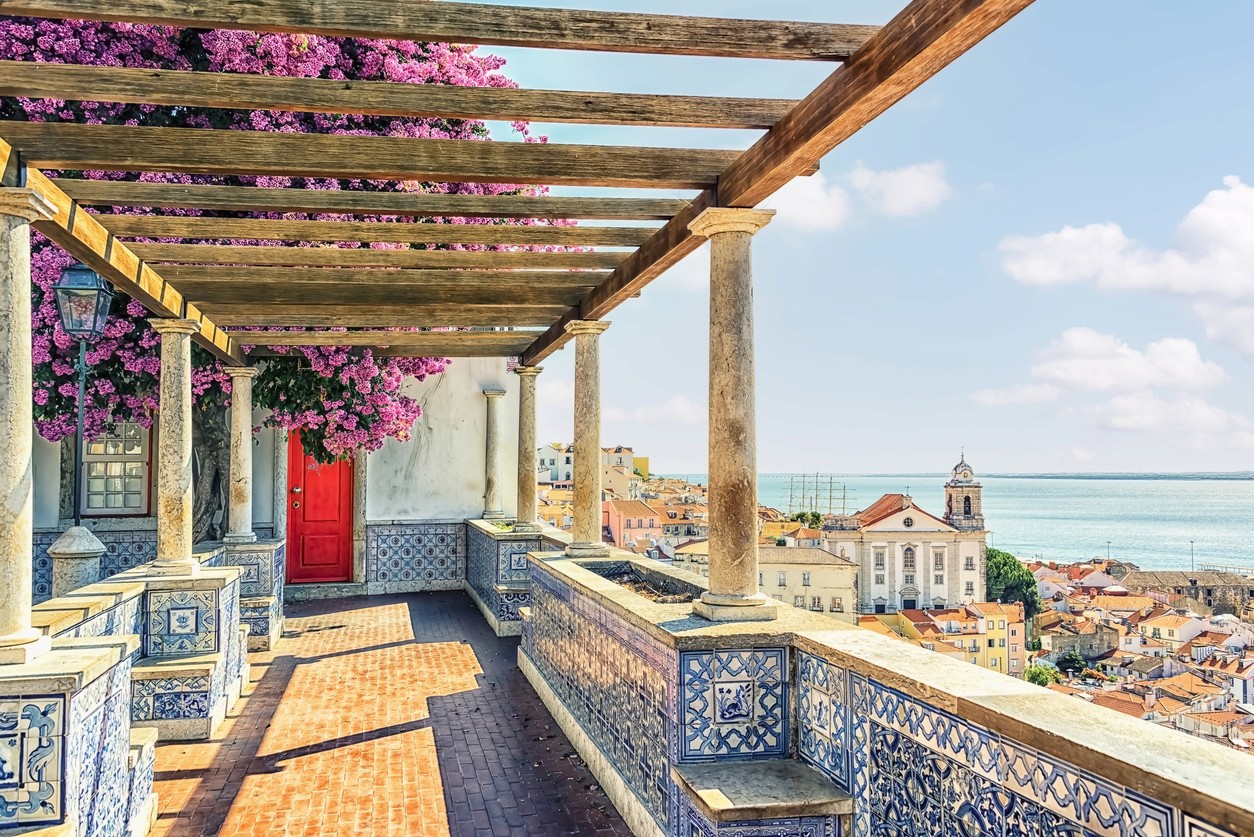
Portugal has moved quietly up the list. Not loudly, not suddenly, but steadily. Mainland Portugal and Madeira both saw strong growth last year, with package travel to Portugal rising more than 40 percent.
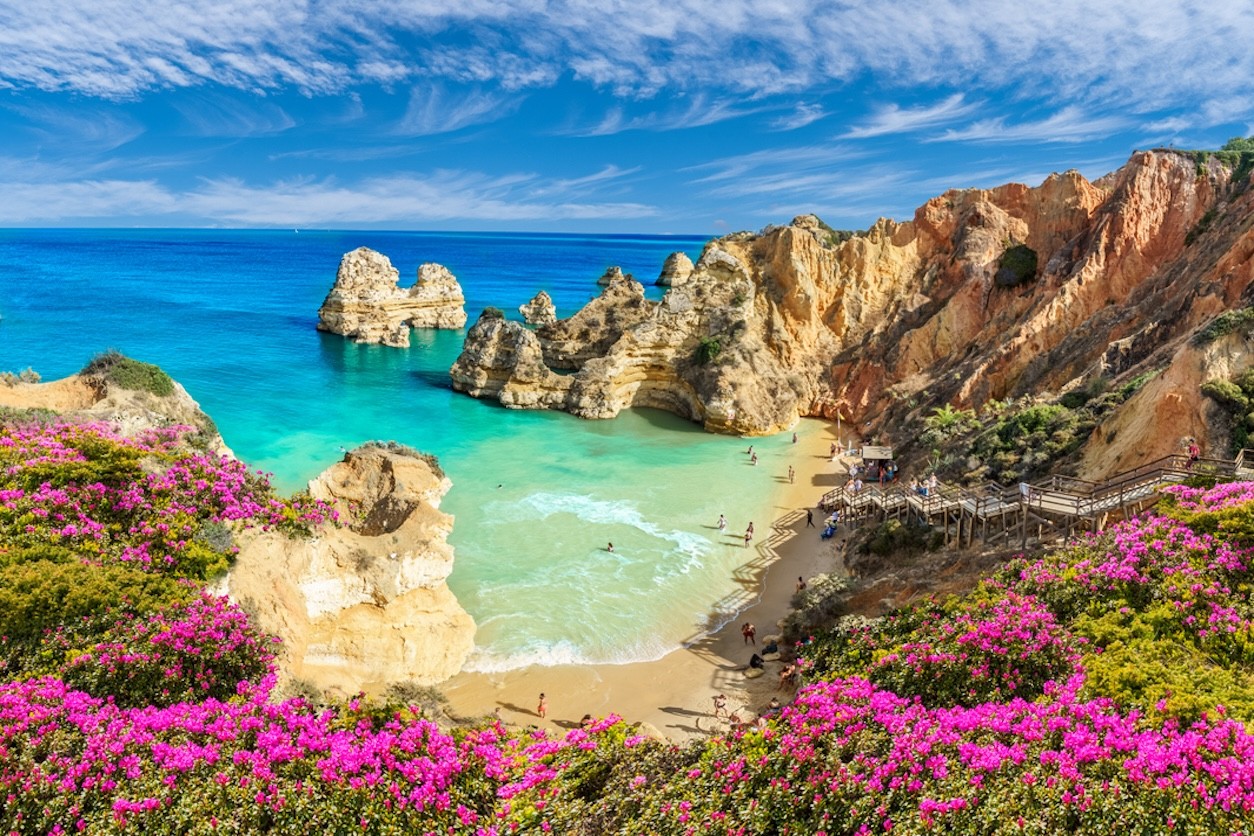
It’s easy to see why. Portugal offers long seasons of mild weather, even as southern Europe grows hotter and more crowded. Cities like Lisbon and Porto combine urban culture with cute cafés, rustic architecture, and hilly viewpoints, while the Algarve and Madeira deliver pristine rocky beaches and rewarding nature hikes. Prices remain slightly cheaper than Helsinki restaurants, and a familiar food scene built on fish and meat has grown more nuanced, blending African and Brazilian notes with international concept hangouts. The pace is calm and predictable, appealing to travelers who value safety and ease over spectacle. For Finns, Portugal feels neither exotic nor overexposed — a place that works, year after year.
Morocco, with curiosity
Morocco is still a surprise — and that is part of the appeal. Package travel more than doubled in a year, a rare jump in a time when many destinations are flattening.
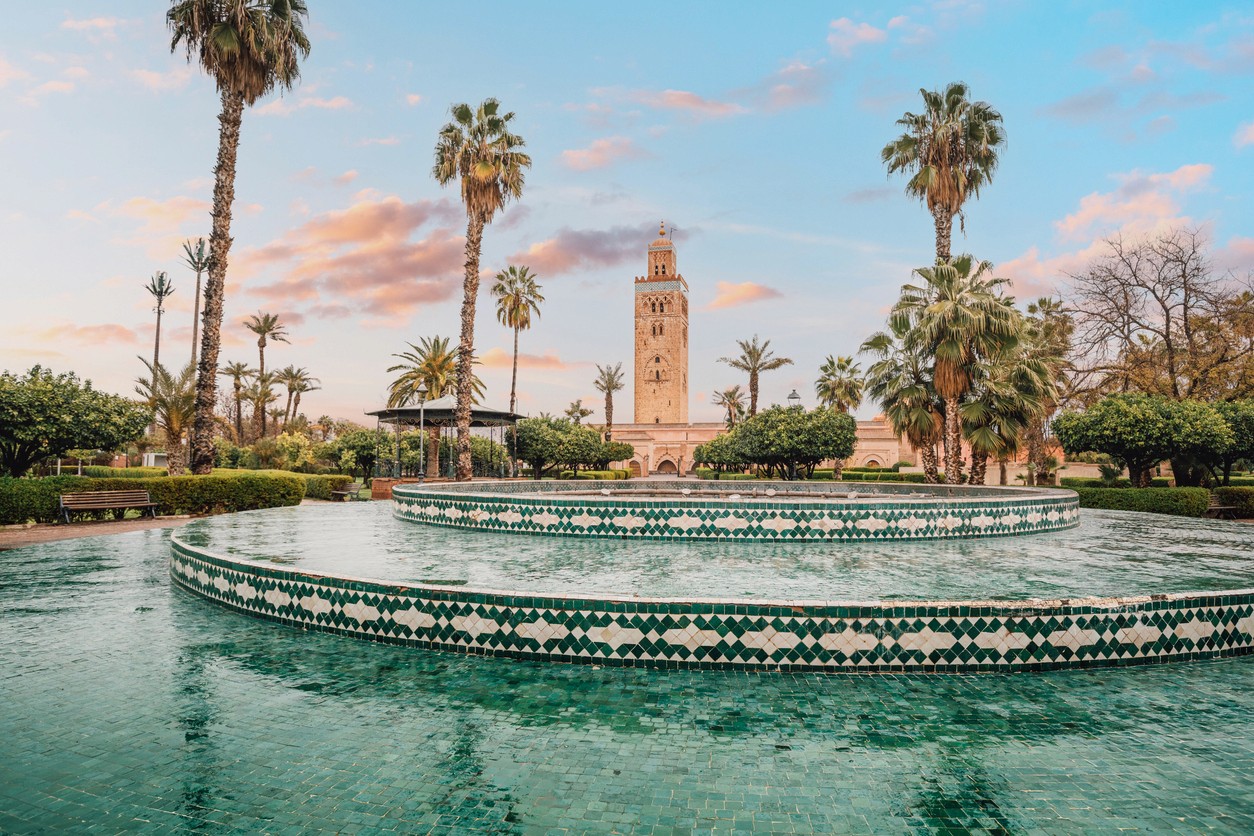
Finns go for the colours, the craft, the weight of history. Ancient medinas, Islamic architecture, and traces of Arab, Berber, and European rule sit side by side, creating cities that feel dense with meaning rather than staged. Food is central to the experience. Slow-cooked tagines, regionally distinct couscous, fresh bread, olives, and mint tea shape a cuisine that is both ritualistic and social. Crafts, music, and daily commerce flow naturally through bazaars and narrow alleyways, making culture part of everyday movement rather than a scheduled attraction.
Southern Europe, off-season
Greece and Spain remain at the top, but something has changed. Summer trips to the Mediterranean are no longer automatic. Finns are travelling earlier in the year, or later — May instead of July, September instead of August.
Heatwaves and crowds have reshaped habits. The destination stays the same. The timing does not.
Japan, quietly returning
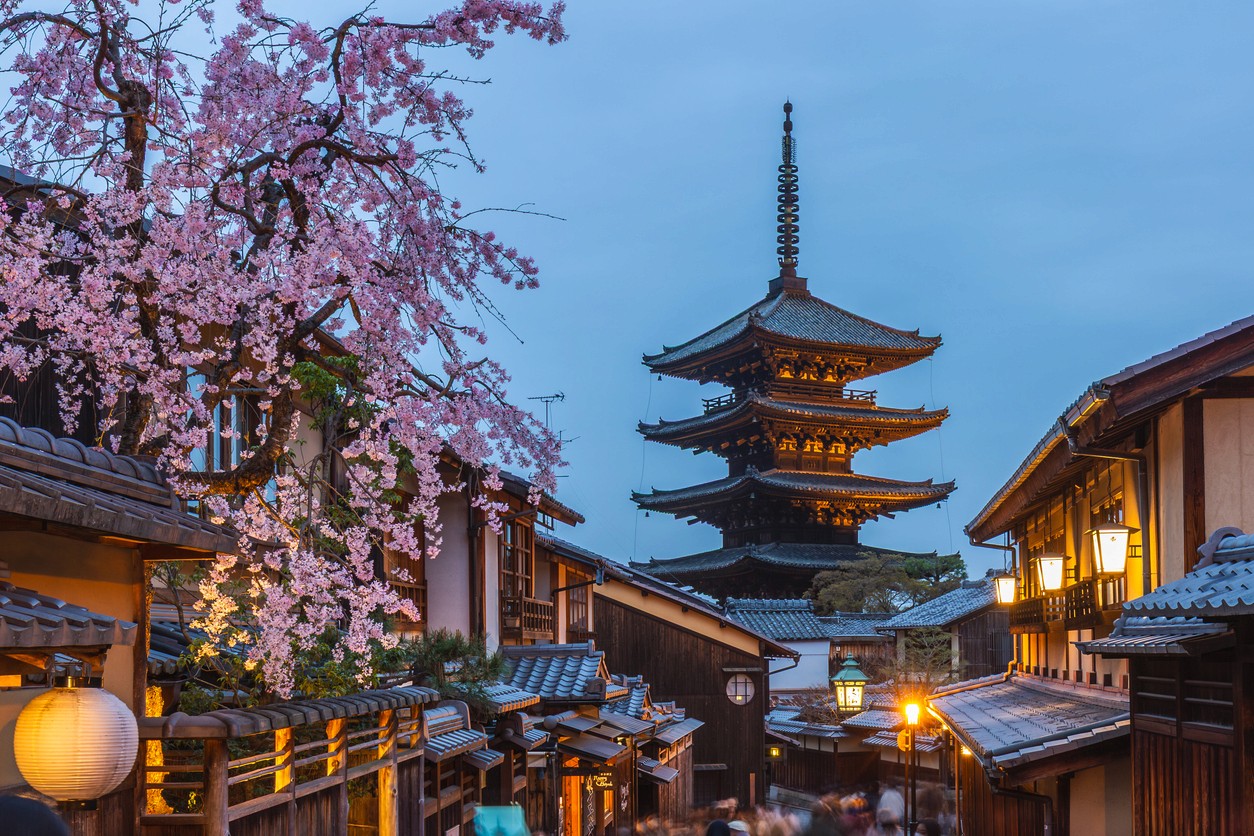
Japan has found its way back onto Finnish itineraries. Not in large numbers, but with intention. It’s a destination chosen carefully, often after years of travel elsewhere.
Finland, by choice
Perhaps the most telling shift is closer to home. Domestic travel and travel to nearby regions continue to grow. Warm summers have helped, but so has a renewed appreciation for space, water, and silence.
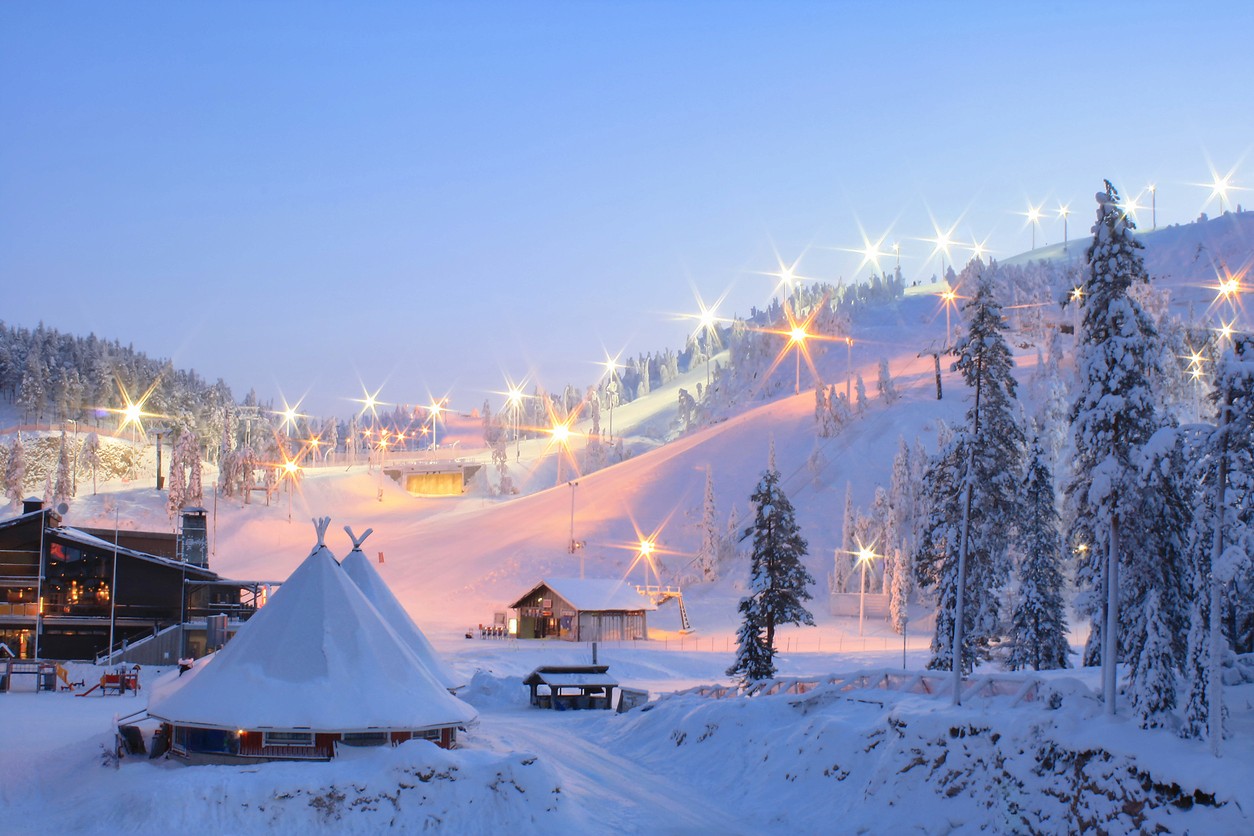
Summer cottages, the archipelago, Lapland outside peak season — Finland itself has become a destination again, not a compromise.
Fewer packages, more Freedom
Traditional flight-based package travel declined by nearly eight percent last year. At the same time, spending on individual travel services rose sharply. Finns are booking later, mixing flights and hotels themselves, and leaving room for weather and mood to decide.
Where Finns went in 2025
While travel habits are shifting toward flexibility and off-season movement, the classics still matter. According to SMAL, these were the most popular destinations for Finnish travellers in 2025, based on flight-based leisure travel packages.
Top 10 destinations, 2025
Greece — 208,809 travellers
Spain — 160,979
Turkey — 42,956
Cyprus — 29,345
Portugal — 27,410
Thailand — 25,908
Italy — 23,310
Egypt — 11,652
Croatia — 11,222
Cape Verde — 8,425
About the numbers
SMAL — and before it, SMY — has compiled Finnish travel statistics since 1965. Over time, travel itself has changed profoundly.
Traditional package tours are no longer the whole picture. Alongside them, Finns increasingly book flights and accommodation separately, tailor itineraries online, and combine services across platforms. Since a legislative change in 2018, many of these self-built trips are technically classified as travel packages, even if they don’t always appear clearly in statistics.
As a result, the figures above mainly reflect pre-produced, flight-based package travel. This explains why some popular city destinations don’t fully register in the rankings, despite their visibility on social media and booking platforms.
·
5 min read
According to fresh figures from the Association of Finnish Travel Industry (SMAL), Finns are still travelling — even as the economy tightens and climate concerns reshape behaviour. Travel agency sales grew again in 2025, up just over four percent. Travel hasn’t disappeared. It has softened, stretched, and rearranged itself.
Portugal, slowly
Portugal has moved quietly up the list. Not loudly, not suddenly, but steadily. Mainland Portugal and Madeira both saw strong growth last year, with package travel to Portugal rising more than 40 percent.
It’s easy to see why. Portugal offers long seasons of mild weather, even as southern Europe grows hotter and more crowded. Cities like Lisbon and Porto combine urban culture with cute cafés, rustic architecture, and hilly viewpoints, while the Algarve and Madeira deliver pristine rocky beaches and rewarding nature hikes. Prices remain slightly cheaper than Helsinki restaurants, and a familiar food scene built on fish and meat has grown more nuanced, blending African and Brazilian notes with international concept hangouts. The pace is calm and predictable, appealing to travelers who value safety and ease over spectacle. For Finns, Portugal feels neither exotic nor overexposed — a place that works, year after year.
Morocco, with curiosity
Morocco is still a surprise — and that is part of the appeal. Package travel more than doubled in a year, a rare jump in a time when many destinations are flattening.
Finns go for the colours, the craft, the weight of history. Ancient medinas, Islamic architecture, and traces of Arab, Berber, and European rule sit side by side, creating cities that feel dense with meaning rather than staged. Food is central to the experience. Slow-cooked tagines, regionally distinct couscous, fresh bread, olives, and mint tea shape a cuisine that is both ritualistic and social. Crafts, music, and daily commerce flow naturally through bazaars and narrow alleyways, making culture part of everyday movement rather than a scheduled attraction.
Southern Europe, off-season
Greece and Spain remain at the top, but something has changed. Summer trips to the Mediterranean are no longer automatic. Finns are travelling earlier in the year, or later — May instead of July, September instead of August.
Heatwaves and crowds have reshaped habits. The destination stays the same. The timing does not.
Japan, quietly returning
Japan has found its way back onto Finnish itineraries. Not in large numbers, but with intention. It’s a destination chosen carefully, often after years of travel elsewhere.
Finland, by choice
Perhaps the most telling shift is closer to home. Domestic travel and travel to nearby regions continue to grow. Warm summers have helped, but so has a renewed appreciation for space, water, and silence.
Summer cottages, the archipelago, Lapland outside peak season — Finland itself has become a destination again, not a compromise.
Fewer packages, more Freedom
Traditional flight-based package travel declined by nearly eight percent last year. At the same time, spending on individual travel services rose sharply. Finns are booking later, mixing flights and hotels themselves, and leaving room for weather and mood to decide.
Where Finns went in 2025
While travel habits are shifting toward flexibility and off-season movement, the classics still matter. According to SMAL, these were the most popular destinations for Finnish travellers in 2025, based on flight-based leisure travel packages.
Top 10 destinations, 2025
Greece — 208,809 travellers
Spain — 160,979
Turkey — 42,956
Cyprus — 29,345
Portugal — 27,410
Thailand — 25,908
Italy — 23,310
Egypt — 11,652
Croatia — 11,222
Cape Verde — 8,425
About the numbers
SMAL — and before it, SMY — has compiled Finnish travel statistics since 1965. Over time, travel itself has changed profoundly.
Traditional package tours are no longer the whole picture. Alongside them, Finns increasingly book flights and accommodation separately, tailor itineraries online, and combine services across platforms. Since a legislative change in 2018, many of these self-built trips are technically classified as travel packages, even if they don’t always appear clearly in statistics.
As a result, the figures above mainly reflect pre-produced, flight-based package travel. This explains why some popular city destinations don’t fully register in the rankings, despite their visibility on social media and booking platforms.




Investor Event
Listeds Investor Event · Defence
Nordic defence is in a once-in-a-generation growth cycle. Eight listed and pre-IPO companies pitch to 100+ invited investors at Valkoinen Sali, Helsinki
21 September 2026


Latest on Listeds

Our Pulse newsletter
Your weekly leadership intelligence briefing.
What happened, why it matters, and what to watch across every CEO, board, and executive move in Nordic listed companies, starting with Finland. Fast, factual, and to the point.
Delivered every Monday.

By signing up, you agree to our Privacy Policy