At the start of 2026, a new work-life topic surfaced in the Finnish media: sick leave taken not because of illness, but because work itself, or conditions at the workplace, had become unbearably frustrating. According to Janne Tienari, professor of management at Hanken School of Economics, the phenomenon may signal something broader. Trust is eroding, and workplace experiences may become increasingly polarized.
‘Vitutussaikku’ or “I’ve had enough sick leave” – as one person described this kind of absence – became a talking point in Finland early this year after the national newspaper Helsingin Sanomat published personal accounts of employees taking what they called “irritation” or “frustration leave.” Such absences are typically reported to employers as ordinary sick leave, citing physical ailments like the flu or migraines.
The reaction was swift and divided. Some condemned the practice as dishonest freeloading; others defended it as a coping mechanism in jobs defined by overload and silence. Readers of Finnish tabloid Ilta-Sanomat soon added their own confessions, speaking of “motivation leave” or “breathing leave”.
A quiet protest, Finnish style
These novel terms situate Finnish workplace experiences within a broader international discussion around quiet quitting. The American-born label describes employees who continue to fulfill their formal job descriptions but step back from initiative, extra effort, and emotional investment.
However, in Finland, the pattern looks different. Rather than disengaging gradually on the job, some employees take short absences, stepping away without open confrontation and within the protections of formal sick leave.
Focusing on whether such absences are “fake,” argues Janne Tienari, is to miss the point. “Fake does not do justice to it,” he says. What the term captures, he adds, is something more serious: “Being pissed off about something.”
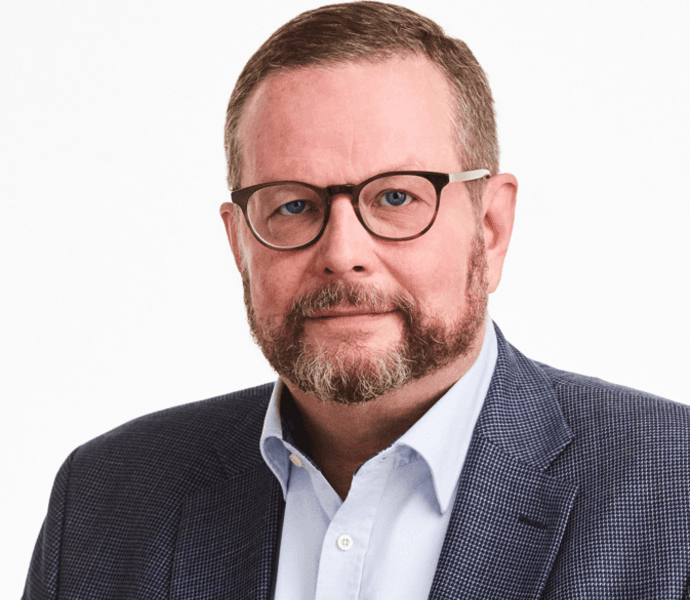
Janne Tienari is a professor of management at Hanken School of Economics.
Tienari considers the emergence of frustration leave a weak signal of a larger problem. Ignoring it as a matter of individual character, he warns, could be costly. What matters, Tienari emphasizes, is not the legitimacy of individual absences, but what they reveal about engagement more broadly.
“It’s a real experience that people have, and I think you need to try to do something about it collectively in an organization. That’s why I think it’s always a management and leadership issue.”
Beyond quiet quitting, this emerging form of sick leave also invites comparison with the Chinese concept of tang ping, often translated as “lying flat” or “laying low.” The term refers to a silent form of protest in which workers do not strike, but instead scale back effort, ambition, and visibility in systems they feel no longer respond to them.
The contexts are very different, and Tienari cautions against generalization. Finnish employees operate within strong labor protections and a high-trust welfare state, and criticism is often welcome.
Still, the underlying logic connects the phenomena. When people stop believing that speaking up leads to change, they stop speaking up. Withdrawal becomes the protest.
“This reflects a lack of recognition, a sense of not being listened to, and lacking a purpose or meaning for what you do in the first place,” Tienari says.
Tienari notes that sick leave taken out of frustration also extends to experts and maybe even some managers. This challenges the idea that disengagement is confined to routine or low-autonomy roles. Instead, it points toward how work is led and organized.
“For me, it’s not about some lazy bugger taking a day off when they feel like it. It’s a sign of something bigger.”
Awareness and leadership dynamics
Are leaders aware of what is happening?
“Middle managers, they should be aware of this. HR definitely should be aware of this,” Tienari says. “But maybe they have the same sense of lack of abilities to influence things, lack of being listened to, lack of dialogue, and their messages don’t go to the top of the organization.”
Organizations can be polarized inside, Tienari notes. Top management may feel inspired and energized by long-term visions, while others feel overwhelmed, unheard, and stuck.
“There is this sense that executives live in the future, whereas others live in the here and now, getting things done today so that there will be a tomorrow.”
And Finnish organizations, he adds, often prioritize numbers and technologies over people. Efficiency and cost-cutting may be a source of frustration for others. There is also a cultural layer.
“In many Finnish workplaces and organizations, there is this culture of silence, lack of discussion, lack of debate.”
What executives can do without new buzzwords
For leaders hoping for novelty, Tienari offers none.
“Dialogue is nothing new. A sense of purpose or meaning is nothing new. The big question is why does management still work in ways that undermine this sense of dialogue and purpose.”
He urges leaders to focus on practices: recurring activities through which work and strategy are actually done.
“Maybe there are no practices in place through which people can actually raise their voice and feel that they are listened to.”
Dialogue, Tienari notes, means regular, structured opportunities for discussion, online or face-to-face. Recognition plays a similar role. “A lack of recognition is a sense of not being listened to and lacking a purpose or meaning for what you do.”
These are not soft interventions but operational and strategic choices. They demand time and resources. Ignoring disengagement, however, is far more expensive.
“Even if there are some lazy buggers out there,” Tienari concludes.
·
5 min read

At the start of 2026, a new work-life topic surfaced in the Finnish media: sick leave taken not because of illness, but because work itself, or conditions at the workplace, had become unbearably frustrating. According to Janne Tienari, professor of management at Hanken School of Economics, the phenomenon may signal something broader. Trust is eroding, and workplace experiences may become increasingly polarized.
‘Vitutussaikku’ or “I’ve had enough sick leave” – as one person described this kind of absence – became a talking point in Finland early this year after the national newspaper Helsingin Sanomat published personal accounts of employees taking what they called “irritation” or “frustration leave.” Such absences are typically reported to employers as ordinary sick leave, citing physical ailments like the flu or migraines.
The reaction was swift and divided. Some condemned the practice as dishonest freeloading; others defended it as a coping mechanism in jobs defined by overload and silence. Readers of Finnish tabloid Ilta-Sanomat soon added their own confessions, speaking of “motivation leave” or “breathing leave”.
A quiet protest, Finnish style
These novel terms situate Finnish workplace experiences within a broader international discussion around quiet quitting. The American-born label describes employees who continue to fulfill their formal job descriptions but step back from initiative, extra effort, and emotional investment.
However, in Finland, the pattern looks different. Rather than disengaging gradually on the job, some employees take short absences, stepping away without open confrontation and within the protections of formal sick leave.
Focusing on whether such absences are “fake,” argues Janne Tienari, is to miss the point. “Fake does not do justice to it,” he says. What the term captures, he adds, is something more serious: “Being pissed off about something.”
Janne Tienari is a professor of management at Hanken School of Economics.
Tienari considers the emergence of frustration leave a weak signal of a larger problem. Ignoring it as a matter of individual character, he warns, could be costly. What matters, Tienari emphasizes, is not the legitimacy of individual absences, but what they reveal about engagement more broadly.
“It’s a real experience that people have, and I think you need to try to do something about it collectively in an organization. That’s why I think it’s always a management and leadership issue.”
Beyond quiet quitting, this emerging form of sick leave also invites comparison with the Chinese concept of tang ping, often translated as “lying flat” or “laying low.” The term refers to a silent form of protest in which workers do not strike, but instead scale back effort, ambition, and visibility in systems they feel no longer respond to them.
The contexts are very different, and Tienari cautions against generalization. Finnish employees operate within strong labor protections and a high-trust welfare state, and criticism is often welcome.
Still, the underlying logic connects the phenomena. When people stop believing that speaking up leads to change, they stop speaking up. Withdrawal becomes the protest.
“This reflects a lack of recognition, a sense of not being listened to, and lacking a purpose or meaning for what you do in the first place,” Tienari says.
Tienari notes that sick leave taken out of frustration also extends to experts and maybe even some managers. This challenges the idea that disengagement is confined to routine or low-autonomy roles. Instead, it points toward how work is led and organized.
“For me, it’s not about some lazy bugger taking a day off when they feel like it. It’s a sign of something bigger.”
Awareness and leadership dynamics
Are leaders aware of what is happening?
“Middle managers, they should be aware of this. HR definitely should be aware of this,” Tienari says. “But maybe they have the same sense of lack of abilities to influence things, lack of being listened to, lack of dialogue, and their messages don’t go to the top of the organization.”
Organizations can be polarized inside, Tienari notes. Top management may feel inspired and energized by long-term visions, while others feel overwhelmed, unheard, and stuck.
“There is this sense that executives live in the future, whereas others live in the here and now, getting things done today so that there will be a tomorrow.”
And Finnish organizations, he adds, often prioritize numbers and technologies over people. Efficiency and cost-cutting may be a source of frustration for others. There is also a cultural layer.
“In many Finnish workplaces and organizations, there is this culture of silence, lack of discussion, lack of debate.”
What executives can do without new buzzwords
For leaders hoping for novelty, Tienari offers none.
“Dialogue is nothing new. A sense of purpose or meaning is nothing new. The big question is why does management still work in ways that undermine this sense of dialogue and purpose.”
He urges leaders to focus on practices: recurring activities through which work and strategy are actually done.
“Maybe there are no practices in place through which people can actually raise their voice and feel that they are listened to.”
Dialogue, Tienari notes, means regular, structured opportunities for discussion, online or face-to-face. Recognition plays a similar role. “A lack of recognition is a sense of not being listened to and lacking a purpose or meaning for what you do.”
These are not soft interventions but operational and strategic choices. They demand time and resources. Ignoring disengagement, however, is far more expensive.
“Even if there are some lazy buggers out there,” Tienari concludes.



Nordic Listed Leaders Board Programme
Learn board work from
the people who do it.
Harvard cases, coaching and open dialogue with people who sit on and work with boards of Finnish publicly listed companies.
Next cohort
19 November 2026
Then January, April, August and October 2027


Latest on Listeds

