For years, Nordic companies optimized for efficiency. Lean supply chains, just-in-time logistics, and global sourcing defined the model. That model is now under strain.
“Geopolitics has become a key driver for economies and markets,” says Minna Kuusisto, head of macro research in Finland at Danske Bank. Kuusisto has been closely following the Iran War and its implications for Finland.
The International Monetary Fund has warned that the conflict is a “major test” for the global economy, while a tentative ceasefire between Iran and the US hinges on keeping the Strait of Hormuz open, a route that carries roughly 20 percent of global oil and LNG flows.
For companies, the change is now visible on the ground in their operations. “You need to understand your critical supply chains and your supplier network,” Kuusisto says. “Study different risk mitigation possibilities.”
That can mean uncomfortable trade-offs. “Maybe you should diversify your supplier network. Maybe you should consider holding larger inventories in key components.”
Finnish companies may be better prepared than peers, but gaps remain
Preparedness is uneven across Europe. “My overall perception is that in Finland, many companies are more alert and more awake than companies elsewhere,” Kuusisto says.
The reason is recent history. Exposure to Russia forced many firms to reassess geopolitical risk earlier than others.
But even in Finland, blind spots remain. “We may be used to seeing the Middle East solely through the lens of energy,” she says. “But they also produce a bunch of other key raw materials.”
She points to helium used in semiconductors and fertilizers critical for food production. “There are still a lot of companies that have not necessarily understood that events like this can affect their supply chains quite drastically.”
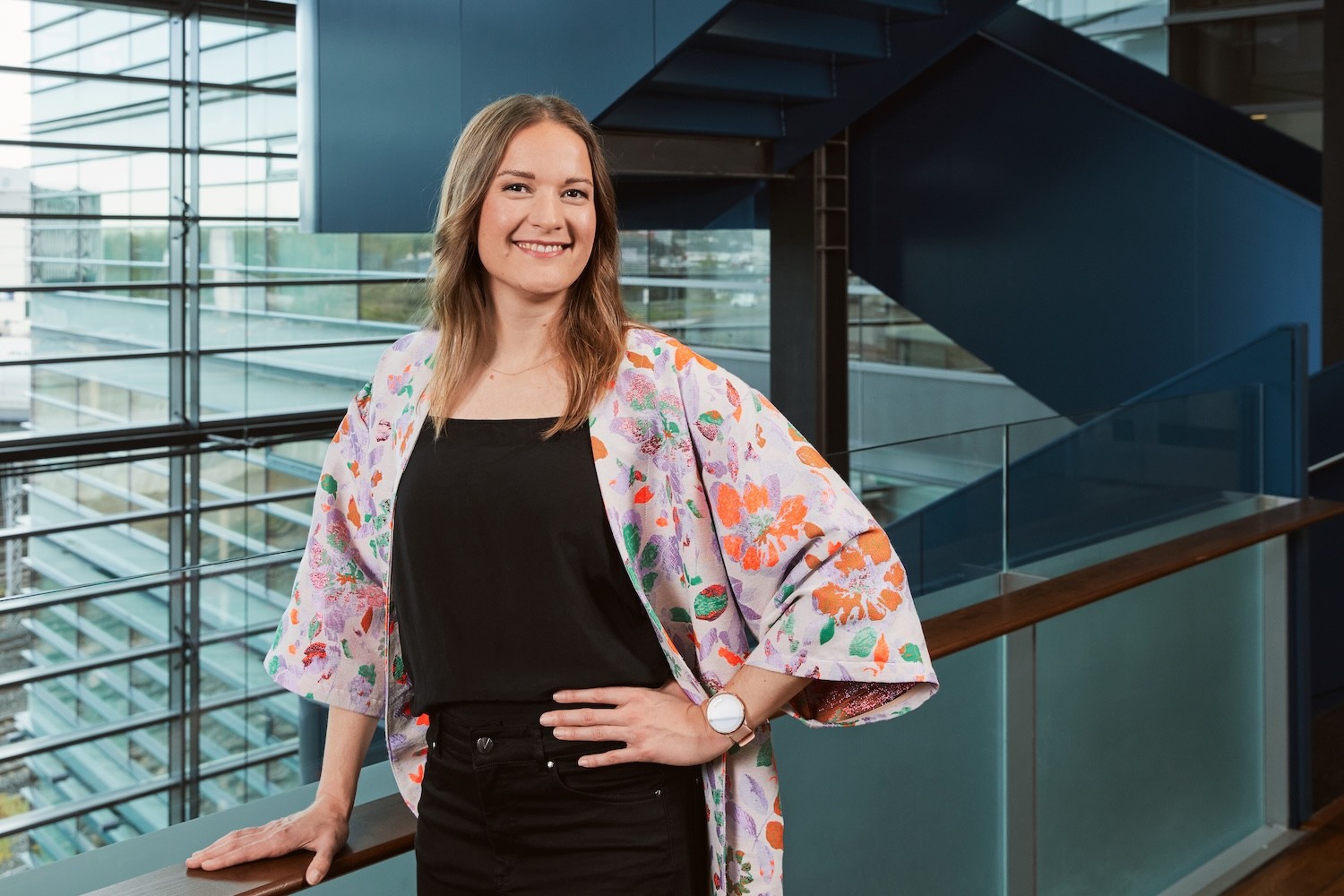
Minna is head of macro research in Finland at Danske Bank, leading analysis on the Finnish economy. Her background spans roles at Finnfund, the Finnish Ministry for Foreign Affairs, and Gaia Consulting, shaping a broad view on global risk and strategy.
Jet fuel shortages could be the first real-world signal of a deeper crisis
The first signals may not come from macro indicators. They may come from logistics.
“In some airports in Europe, we might actually see that jet fuel is not available to all flights,” Kuusisto says.
“If the situation still drags on, by summer, we will be in a situation that perhaps 10 to 20 percent of the flights planned in Europe will actually be cancelled.”
Even before cancellations, the transmission has started. Higher fuel costs are already visible and will continue to spread through supply chains into industrial inputs and consumer prices.
The era of weaponized economics is here to stay
This is not only a market shock. It is also a shift in how economic power is used. “Economic tools are being weaponized across the globe,” Kuusisto says.
The Strait of Hormuz illustrates the mechanism. But the assumptions behind it did not fully hold. “I think everyone very much underestimated Iran,” she says.
In particular, the expectation that Iran would avoid closing the strait because of its own reliance on oil exports proved incomplete. In practice, Iran has shown it can restrict the waterway while still maintaining parts of its own exports.
The result is a different kind of leverage, where supply constraints can be used strategically.
Energy shocks are no longer temporary. Markets may be misreading the Iran conflict
Markets have reacted, but not consistently. “I am slightly concerned that the market is mispricing the longer-term impacts,” Kuusisto says.
The divergence is visible within energy markets themselves. “It has been particularly these refined products that have become more expensive,” she notes, with jet fuel among the hardest hit.
Her concern is what happens next. “The truth is that a lot of the damage has already happened,” she says. Even if a ceasefire holds, the system does not reset. Infrastructure across the Gulf has been damaged, supply chains disrupted, and geopolitical risk premiums are likely to persist.
On top of that, countries will need to rebuild buffers. They will need to refill strategic reserves, creating additional demand even as supply recovers.
“We cannot just go back to where we were in February.”
Stagflation risk is rising quietly in Europe
The macro picture is becoming more complex. “This is strictly a supply-side shock,” Kuusisto says.
That distinction matters. Lower supply pushes prices higher while weighing on growth at the same time. “I would not yet say that we end up in stagflation, but stagflationary risks are on the rise.”
The effects are already moving through the economy. Higher costs feed into inflation, while uncertainty slows hiring and investment.
For households, the transmission runs through both prices and confidence. “The main factor pulling down consumer confidence is the fear of unemployment,” she says.
That creates a feedback loop. Uncertainty affects hiring, hiring affects confidence, and confidence affects consumption.
“We might actually end up in a situation where real wages decline again,” she adds, if inflation accelerates faster than wage growth.
There is only so much policymakers can do. “They cannot do anything to affect oil supply,” Kuusisto says. “There is very little they can actually do in this situation.”
Speed versus reality
There is also a mismatch in timing. Markets tend to price quick resolutions. Politics often demands them. Negotiations rarely move at that pace.
“Trump is pretty impatient,” Kuusisto says. “We have seen him lose patience with Iran twice.”
She points to two moments in particular. The first came in June last year, when Israel attacked Iran, and the United States joined the operation even as nuclear negotiations were still ongoing. The second was the more recent strike in February, which she sees as another sign of impatience, especially given that experts familiar with Iran have long argued that diplomacy could deliver more durable outcomes than military action.
Iran, by contrast, operates differently. “It actually took almost two years” to reach the previous nuclear agreement, she notes. Even now, while there is “some optimism in the air,” she expects any durable deal to take months, if not longer.
That gap between expectations and reality is where volatility builds.
Beyond the shock
For business leaders, this adjustment is not only external. It is also internal.
“It should not be left solely to risk management. Top management needs to be very much on top of these risks,” Kuusisto says.
That requires new capabilities. “You probably need people who understand foreign policy, political analysts, and even some understanding of military matters.”
Strategy, in this environment, becomes conditional. “You might actually do very little with your strategy unless you have also prepared different scenarios,” she says.
Her example shows that for companies willing to adapt, geopolitics is no longer background noise. It is part of how decisions are made.
·
5 min read

For years, Nordic companies optimized for efficiency. Lean supply chains, just-in-time logistics, and global sourcing defined the model. That model is now under strain.
“Geopolitics has become a key driver for economies and markets,” says Minna Kuusisto, head of macro research in Finland at Danske Bank. Kuusisto has been closely following the Iran War and its implications for Finland.
The International Monetary Fund has warned that the conflict is a “major test” for the global economy, while a tentative ceasefire between Iran and the US hinges on keeping the Strait of Hormuz open, a route that carries roughly 20 percent of global oil and LNG flows.
For companies, the change is now visible on the ground in their operations. “You need to understand your critical supply chains and your supplier network,” Kuusisto says. “Study different risk mitigation possibilities.”
That can mean uncomfortable trade-offs. “Maybe you should diversify your supplier network. Maybe you should consider holding larger inventories in key components.”
Finnish companies may be better prepared than peers, but gaps remain
Preparedness is uneven across Europe. “My overall perception is that in Finland, many companies are more alert and more awake than companies elsewhere,” Kuusisto says.
The reason is recent history. Exposure to Russia forced many firms to reassess geopolitical risk earlier than others.
But even in Finland, blind spots remain. “We may be used to seeing the Middle East solely through the lens of energy,” she says. “But they also produce a bunch of other key raw materials.”
She points to helium used in semiconductors and fertilizers critical for food production. “There are still a lot of companies that have not necessarily understood that events like this can affect their supply chains quite drastically.”
Minna is head of macro research in Finland at Danske Bank, leading analysis on the Finnish economy. Her background spans roles at Finnfund, the Finnish Ministry for Foreign Affairs, and Gaia Consulting, shaping a broad view on global risk and strategy.
Jet fuel shortages could be the first real-world signal of a deeper crisis
The first signals may not come from macro indicators. They may come from logistics.
“In some airports in Europe, we might actually see that jet fuel is not available to all flights,” Kuusisto says.
“If the situation still drags on, by summer, we will be in a situation that perhaps 10 to 20 percent of the flights planned in Europe will actually be cancelled.”
Even before cancellations, the transmission has started. Higher fuel costs are already visible and will continue to spread through supply chains into industrial inputs and consumer prices.
The era of weaponized economics is here to stay
This is not only a market shock. It is also a shift in how economic power is used. “Economic tools are being weaponized across the globe,” Kuusisto says.
The Strait of Hormuz illustrates the mechanism. But the assumptions behind it did not fully hold. “I think everyone very much underestimated Iran,” she says.
In particular, the expectation that Iran would avoid closing the strait because of its own reliance on oil exports proved incomplete. In practice, Iran has shown it can restrict the waterway while still maintaining parts of its own exports.
The result is a different kind of leverage, where supply constraints can be used strategically.
Energy shocks are no longer temporary. Markets may be misreading the Iran conflict
Markets have reacted, but not consistently. “I am slightly concerned that the market is mispricing the longer-term impacts,” Kuusisto says.
The divergence is visible within energy markets themselves. “It has been particularly these refined products that have become more expensive,” she notes, with jet fuel among the hardest hit.
Her concern is what happens next. “The truth is that a lot of the damage has already happened,” she says. Even if a ceasefire holds, the system does not reset. Infrastructure across the Gulf has been damaged, supply chains disrupted, and geopolitical risk premiums are likely to persist.
On top of that, countries will need to rebuild buffers. They will need to refill strategic reserves, creating additional demand even as supply recovers.
“We cannot just go back to where we were in February.”
Stagflation risk is rising quietly in Europe
The macro picture is becoming more complex. “This is strictly a supply-side shock,” Kuusisto says.
That distinction matters. Lower supply pushes prices higher while weighing on growth at the same time. “I would not yet say that we end up in stagflation, but stagflationary risks are on the rise.”
The effects are already moving through the economy. Higher costs feed into inflation, while uncertainty slows hiring and investment.
For households, the transmission runs through both prices and confidence. “The main factor pulling down consumer confidence is the fear of unemployment,” she says.
That creates a feedback loop. Uncertainty affects hiring, hiring affects confidence, and confidence affects consumption.
“We might actually end up in a situation where real wages decline again,” she adds, if inflation accelerates faster than wage growth.
There is only so much policymakers can do. “They cannot do anything to affect oil supply,” Kuusisto says. “There is very little they can actually do in this situation.”


Speed versus reality
There is also a mismatch in timing. Markets tend to price quick resolutions. Politics often demands them. Negotiations rarely move at that pace.
“Trump is pretty impatient,” Kuusisto says. “We have seen him lose patience with Iran twice.”
She points to two moments in particular. The first came in June last year, when Israel attacked Iran, and the United States joined the operation even as nuclear negotiations were still ongoing. The second was the more recent strike in February, which she sees as another sign of impatience, especially given that experts familiar with Iran have long argued that diplomacy could deliver more durable outcomes than military action.
Iran, by contrast, operates differently. “It actually took almost two years” to reach the previous nuclear agreement, she notes. Even now, while there is “some optimism in the air,” she expects any durable deal to take months, if not longer.
That gap between expectations and reality is where volatility builds.
Beyond the shock
For business leaders, this adjustment is not only external. It is also internal.
“It should not be left solely to risk management. Top management needs to be very much on top of these risks,” Kuusisto says.
That requires new capabilities. “You probably need people who understand foreign policy, political analysts, and even some understanding of military matters.”
Strategy, in this environment, becomes conditional. “You might actually do very little with your strategy unless you have also prepared different scenarios,” she says.
Her example shows that for companies willing to adapt, geopolitics is no longer background noise. It is part of how decisions are made.

Nordic Listed Leaders Board Programme
Learn board work from
the people who do it.
Harvard cases, coaching and open dialogue with people who sit on and work with boards of Finnish publicly listed companies.
Next cohort
19 November 2026
Then January, April, August and October 2027


Latest on Listeds

