Shares in the newly listed Lassila & Tikanoja Plc (LASTIK) traded modestly lower shortly after the open in Helsinki, as markets digested the company’s clarified ownership structure following its partial demerger from the former parent, now Luotea Plc.
Around 30 minutes after trading started today, LASTIK shares fell around 3 percent to €7.85 on the Helsinki exchange, following the one-day Epiphany holiday and the circular economy company's announcement on January 5 to explain its post-listing shareholder structure.
The three largest shareholders of Lassila & Tikanoja are Evald ja Hilda Nissi Foundation (9.15 %), Protector Forsikring ASA (5.27 %), and Nordea Nordic Small Cap Fund (5.26 %). Together with the rest of the top 10, these shareholders represent 35.1 % of the company’s total shares and votes.
The demerger follows a board decision approved in August 2025 to separate the circular economy operations into their own listed company, with the stated intent of clarifying strategy and focus for both businesses. At the same time, the facility services arm continues independently as Luotea.
On January 5, Lassila & Tikanoja reported major managers’ transactions related to the split. The most substantial allocation went to Evald ja Hilda Nissi Foundation, an entity closely associated with board member Sakari Lassila, which received over three million in Lassila & Tikanoja as demerger consideration, based on a bourse notice.
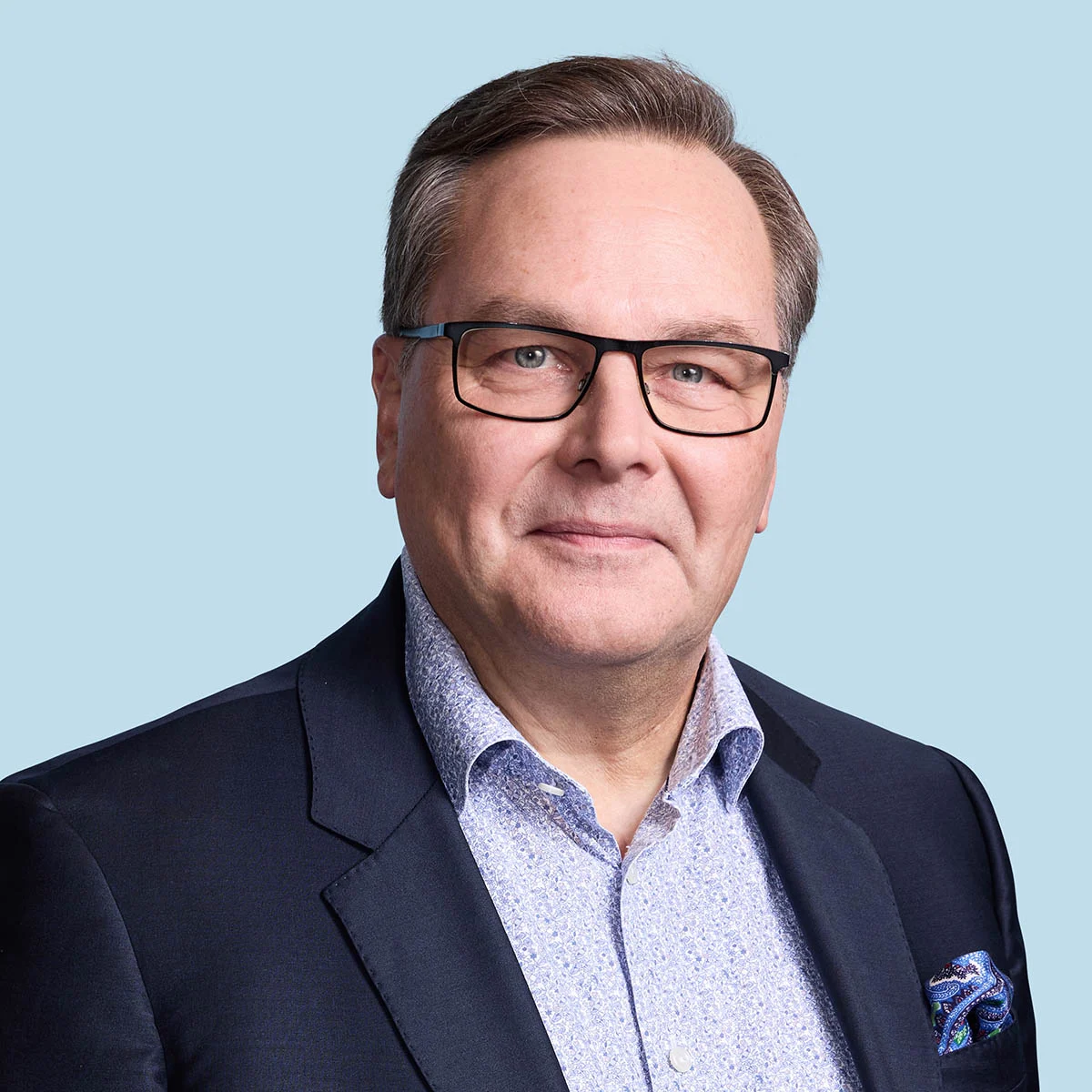
Among individuals, Chief Executive Eero Hautaniemi received nearly 58,600 shares on the same day, while board member Jukka Leinonen received over 45,800 shares. All transactions were reported at a transaction price of zero euros, underscoring their technical nature as part of the demerger.
Lassila & Tikanoja’s roots stretch back more than a century to a wholesale business founded in Vaasa in 1905. Over the past decade, its strategic identity has increasingly aligned with environmental services and the circular economy, shaped by tightening regulation and sustainability demands across Finland and Sweden.
·
5 min read
Explore and follow profiles from this article to get timely updates:
Shares in the newly listed Lassila & Tikanoja Plc (LASTIK) traded modestly lower shortly after the open in Helsinki, as markets digested the company’s clarified ownership structure following its partial demerger from the former parent, now Luotea Plc.
Around 30 minutes after trading started today, LASTIK shares fell around 3 percent to €7.85 on the Helsinki exchange, following the one-day Epiphany holiday and the circular economy company's announcement on January 5 to explain its post-listing shareholder structure.
The three largest shareholders of Lassila & Tikanoja are Evald ja Hilda Nissi Foundation (9.15 %), Protector Forsikring ASA (5.27 %), and Nordea Nordic Small Cap Fund (5.26 %). Together with the rest of the top 10, these shareholders represent 35.1 % of the company’s total shares and votes.
The demerger follows a board decision approved in August 2025 to separate the circular economy operations into their own listed company, with the stated intent of clarifying strategy and focus for both businesses. At the same time, the facility services arm continues independently as Luotea.
On January 5, Lassila & Tikanoja reported major managers’ transactions related to the split. The most substantial allocation went to Evald ja Hilda Nissi Foundation, an entity closely associated with board member Sakari Lassila, which received over three million in Lassila & Tikanoja as demerger consideration, based on a bourse notice.
Among individuals, Chief Executive Eero Hautaniemi received nearly 58,600 shares on the same day, while board member Jukka Leinonen received over 45,800 shares. All transactions were reported at a transaction price of zero euros, underscoring their technical nature as part of the demerger.
Lassila & Tikanoja’s roots stretch back more than a century to a wholesale business founded in Vaasa in 1905. Over the past decade, its strategic identity has increasingly aligned with environmental services and the circular economy, shaped by tightening regulation and sustainability demands across Finland and Sweden.





Investor Event
Listeds Investor Event · Defence
Nordic defence is in a once-in-a-generation growth cycle. Eight listed and pre-IPO companies pitch to 100+ invited investors at Valkoinen Sali, Helsinki
21 September 2026


Latest on Listeds

