The next phase of the circular economy will depend on market-driven demand and economic viability, which can be supported by EU regulation. Recycled materials must be reliable, traceable, and competitive with virgin inputs. In Finland, circular economy company Remeo Group has undergone a major transformation and invested € 35 million in building one of Europe’s most advanced waste processing and materials recycling facilities.
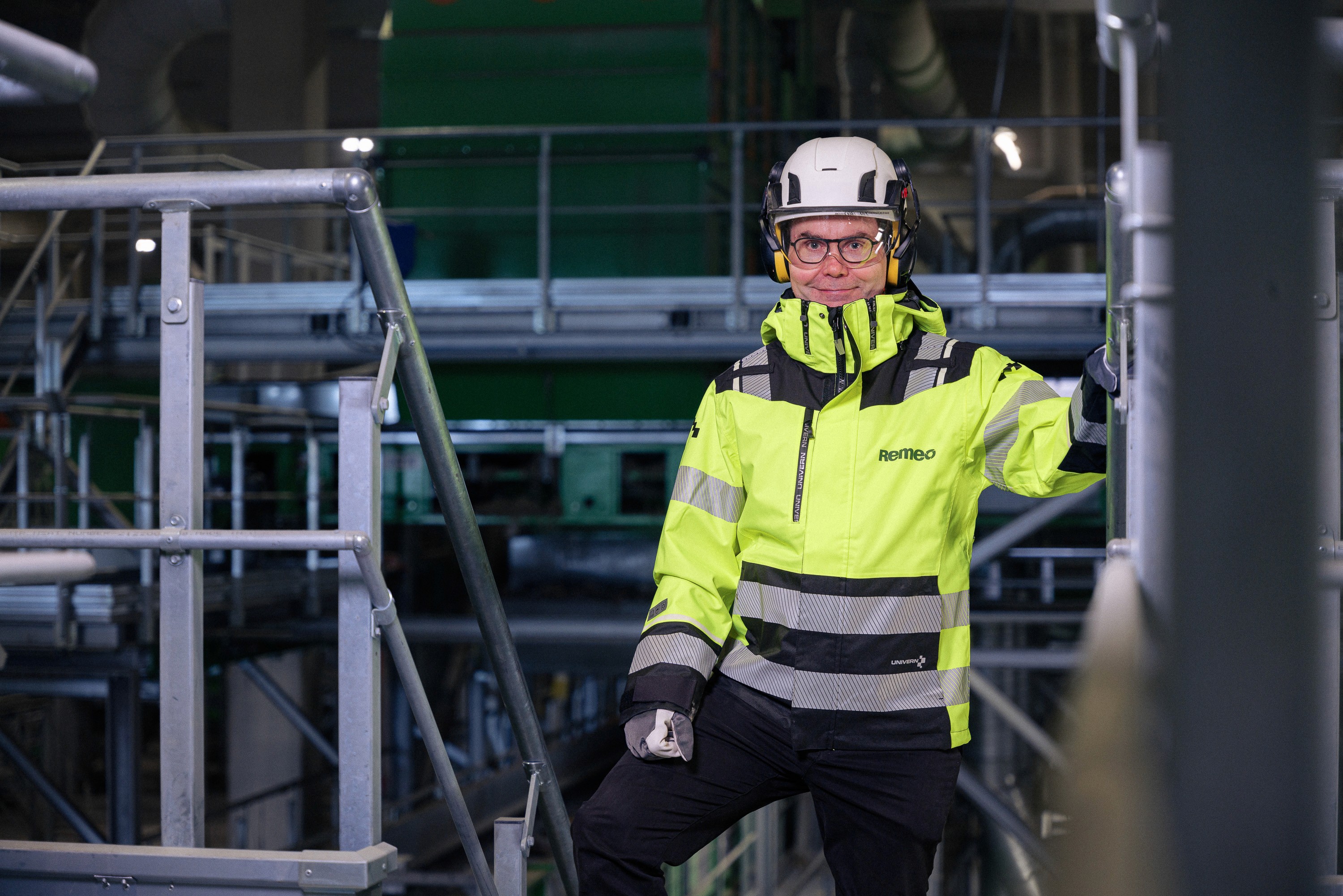
The modern processing plant in Vantaa operates at the forefront of Europe in technical capability, innovation, and flexibility, with continuous data collection used to improve processes and enable the sorting of new material types. The facility includes two advanced sorting lines: optical sorting using near-infrared technology to identify plastics and fibers, and AI-controlled robotic sorting for construction waste materials.
For Remeo CEO Panu Routasalo, the pioneering facility in Finland represents something much bigger than a new industrial site. It reflects a shift happening across the entire sector: waste management companies are becoming circular economy companies.
“The goal is simple,” Routasalo says. “We want materials to circulate as efficiently as possible and reduce the need for virgin raw materials.”
But achieving the goal, he argues, requires that the circular economy is truly seen as a great business opportunity across industries. Driving the circular economy business must also be profitable.
From waste logistics to industrial processing
Remeo’s business has changed significantly in recent years.
Traditionally, companies in the sector focused on collecting and transporting waste. But the value of the circular economy lies further down the chain: in sorting, processing, and transforming waste into new raw materials.
Remeo has been steadily expanding its role in that value chain.
“We have invested heavily in processing and sorting capabilities,” Routasalo explains. “Instead of simply moving waste from one place to another, we want to refine materials so they can be used again as recycled raw materials.”
The shift has required both technological investments and operational transformation. But it has also improved the economics of the business. Processing and material recovery, Routasalo says, can be significantly more profitable than traditional waste logistics.
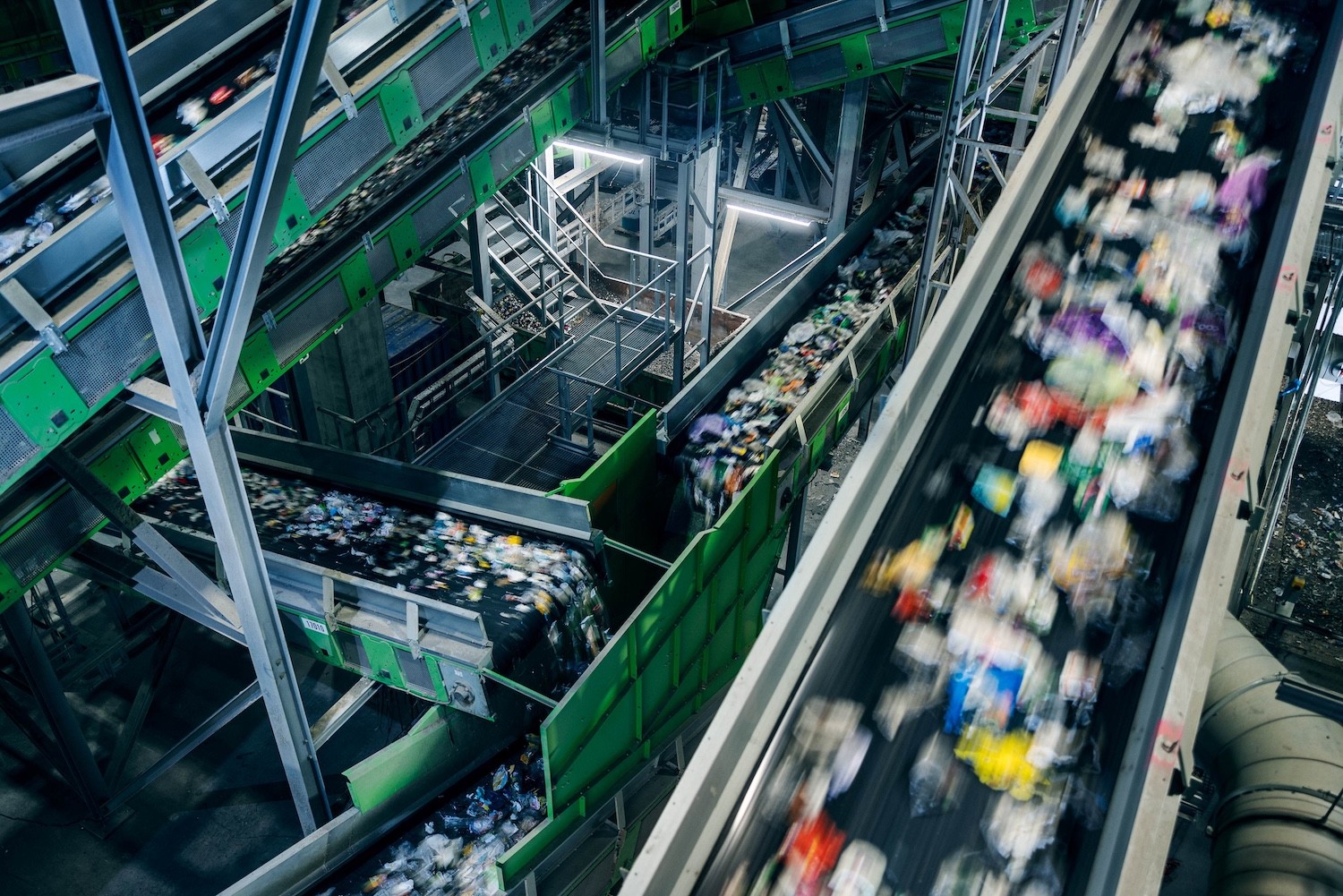
Remeo's materials recovery facility in Vantaa processes plastics. The photo is provided by Remeo, and the photographer is Jussi Hellsten.
The missing piece in the circular economy
Although the importance of the circular economy and material recycling is widely recognized, it has yet to become a mainstream market choice. According to Routasalo, the real bottleneck is not only technology or infrastructure. It is demand.
“The circular economy only works if recycled materials have real economic value,” he says. “There needs to be demand for those materials in the market.”
Without that demand, recycling systems cannot scale efficiently. Materials may be collected and sorted, but if industries are not willing to use recycled inputs, the loop remains incomplete.
That is why Routasalo believes the next phase of the circular economy will focus increasingly on creating markets for recycled materials.
Scaling circular raw materials
One example of this challenge can be seen in plastics.
The amount of plastic waste continues to grow globally, and so has recycling capacity, but demand for recycled plastics has not expanded at the same pace.
Remeo processes large volumes of plastic waste. Technically, the company’s processing capacity could handle up to around 100,000 tons annually, but the broader system still depends on multiple players across the value chain.
Household and industrial recycling also remains uneven.
“In Finland, recycling could be done better,” Routasalo says. “Both households and companies still have room to improve in sorting.”
The issue has broader implications. Finland faces increasing pressure to meet recycling targets, paying penalties of around 90 million euros annually to the EU for non-recycled plastic packaging waste alone. The EU’s 2025 target aimed to recycle 55% of all plastic packaging waste.
Turning circular economy ideas into practice requires industrial infrastructure and collaboration across the value chain. As a concrete example, Remeo has partnered with Lamor to develop a model for supplying sorted plastic waste as feedstock to Lamor Recycling’s chemical recycling facility in Kilpilahti, Finland. Remeo ensures a steady and traceable supply of plastic waste streams, while Lamor upgrades these materials at its Kilpilahti facility.
The circular economy is only as strong as its value chain
For Routasalo, the future of the circular economy depends on a strong, well-functioning end-to-end value chain that creates value for all stakeholders.
Collection, sorting, processing, and end use must function as a connected system.
“You cannot push the circular economy forward with good intentions alone,” he says. “All the pieces of the value chain have to work together.”
That includes creating solutions where recycled raw materials are attractive for industrial buyers and manufacturers.
“If recycled raw materials can compete economically with virgin materials, the market will naturally grow.”
The next phase for Remeo
Over the next two to five years, Routasalo envisions Remeo positioning itself higher in the industrial value chain, focusing on supporting decision-making that maximizes the use of recycled raw materials.
Rather than processing waste, Remeo aims to deliver the recycled materials of the future, enabling industries to integrate them effectively into their operations.
That goal sits at the heart of the circular economy.
But as Routasalo emphasizes, it will only succeed if environmental impact and economic value move in the same direction.
“The circular economy cannot be driven by regulation alone,” he says. “It has to make business sense as well.”
·
5 min read
The next phase of the circular economy will depend on market-driven demand and economic viability, which can be supported by EU regulation. Recycled materials must be reliable, traceable, and competitive with virgin inputs. In Finland, circular economy company Remeo Group has undergone a major transformation and invested € 35 million in building one of Europe’s most advanced waste processing and materials recycling facilities.
The modern processing plant in Vantaa operates at the forefront of Europe in technical capability, innovation, and flexibility, with continuous data collection used to improve processes and enable the sorting of new material types. The facility includes two advanced sorting lines: optical sorting using near-infrared technology to identify plastics and fibers, and AI-controlled robotic sorting for construction waste materials.
For Remeo CEO Panu Routasalo, the pioneering facility in Finland represents something much bigger than a new industrial site. It reflects a shift happening across the entire sector: waste management companies are becoming circular economy companies.
“The goal is simple,” Routasalo says. “We want materials to circulate as efficiently as possible and reduce the need for virgin raw materials.”
But achieving the goal, he argues, requires that the circular economy is truly seen as a great business opportunity across industries. Driving the circular economy business must also be profitable.
From waste logistics to industrial processing
Remeo’s business has changed significantly in recent years.
Traditionally, companies in the sector focused on collecting and transporting waste. But the value of the circular economy lies further down the chain: in sorting, processing, and transforming waste into new raw materials.
Remeo has been steadily expanding its role in that value chain.
“We have invested heavily in processing and sorting capabilities,” Routasalo explains. “Instead of simply moving waste from one place to another, we want to refine materials so they can be used again as recycled raw materials.”
The shift has required both technological investments and operational transformation. But it has also improved the economics of the business. Processing and material recovery, Routasalo says, can be significantly more profitable than traditional waste logistics.
Remeo's materials recovery facility in Vantaa processes plastics. The photo is provided by Remeo, and the photographer is Jussi Hellsten.
The missing piece in the circular economy
Although the importance of the circular economy and material recycling is widely recognized, it has yet to become a mainstream market choice. According to Routasalo, the real bottleneck is not only technology or infrastructure. It is demand.
“The circular economy only works if recycled materials have real economic value,” he says. “There needs to be demand for those materials in the market.”
Without that demand, recycling systems cannot scale efficiently. Materials may be collected and sorted, but if industries are not willing to use recycled inputs, the loop remains incomplete.
That is why Routasalo believes the next phase of the circular economy will focus increasingly on creating markets for recycled materials.
Scaling circular raw materials
One example of this challenge can be seen in plastics.
The amount of plastic waste continues to grow globally, and so has recycling capacity, but demand for recycled plastics has not expanded at the same pace.
Remeo processes large volumes of plastic waste. Technically, the company’s processing capacity could handle up to around 100,000 tons annually, but the broader system still depends on multiple players across the value chain.
Household and industrial recycling also remains uneven.
“In Finland, recycling could be done better,” Routasalo says. “Both households and companies still have room to improve in sorting.”
The issue has broader implications. Finland faces increasing pressure to meet recycling targets, paying penalties of around 90 million euros annually to the EU for non-recycled plastic packaging waste alone. The EU’s 2025 target aimed to recycle 55% of all plastic packaging waste.
Turning circular economy ideas into practice requires industrial infrastructure and collaboration across the value chain. As a concrete example, Remeo has partnered with Lamor to develop a model for supplying sorted plastic waste as feedstock to Lamor Recycling’s chemical recycling facility in Kilpilahti, Finland. Remeo ensures a steady and traceable supply of plastic waste streams, while Lamor upgrades these materials at its Kilpilahti facility.
The circular economy is only as strong as its value chain
For Routasalo, the future of the circular economy depends on a strong, well-functioning end-to-end value chain that creates value for all stakeholders.
Collection, sorting, processing, and end use must function as a connected system.
“You cannot push the circular economy forward with good intentions alone,” he says. “All the pieces of the value chain have to work together.”
That includes creating solutions where recycled raw materials are attractive for industrial buyers and manufacturers.
“If recycled raw materials can compete economically with virgin materials, the market will naturally grow.”
The next phase for Remeo
Over the next two to five years, Routasalo envisions Remeo positioning itself higher in the industrial value chain, focusing on supporting decision-making that maximizes the use of recycled raw materials.
Rather than processing waste, Remeo aims to deliver the recycled materials of the future, enabling industries to integrate them effectively into their operations.
That goal sits at the heart of the circular economy.
But as Routasalo emphasizes, it will only succeed if environmental impact and economic value move in the same direction.
“The circular economy cannot be driven by regulation alone,” he says. “It has to make business sense as well.”



Investor Event
Listeds Investor Event · Defence
Nordic defence is in a once-in-a-generation growth cycle. Eight listed and pre-IPO companies pitch to 100+ invited investors at Valkoinen Sali, Helsinki
21 September 2026


Latest on Listeds