When Kyrö Distillery announced a Game of Thrones whisky partnership this spring, the collaboration seemed unusually ambitious for a company from Isokyrö, a municipality of fewer than 5,000 people on Finland's west coast.
The bottles may grab the headlines. The more interesting story is how Kyrö earned Warner Bros' attention in the first place. For many Finnish founders, global entertainment brands, luxury groups, and multinational corporations can feel inaccessible. Partnerships of that scale appear to belong to a different league. Kyrö found the gap was smaller than it looked.
According to Global Brand & Marketing Director Matti Kovanen, the partnership did not begin with a grand licensing strategy. The deal traces its origins to a chance introduction. A mutual contact introduced Kyrö to HBO Finland. The initial discussions focused on events and activations.
Kyrö soon floated a bigger idea. "We kind of put out the idea that, hey, would it be possible to create proper collaborative products?"
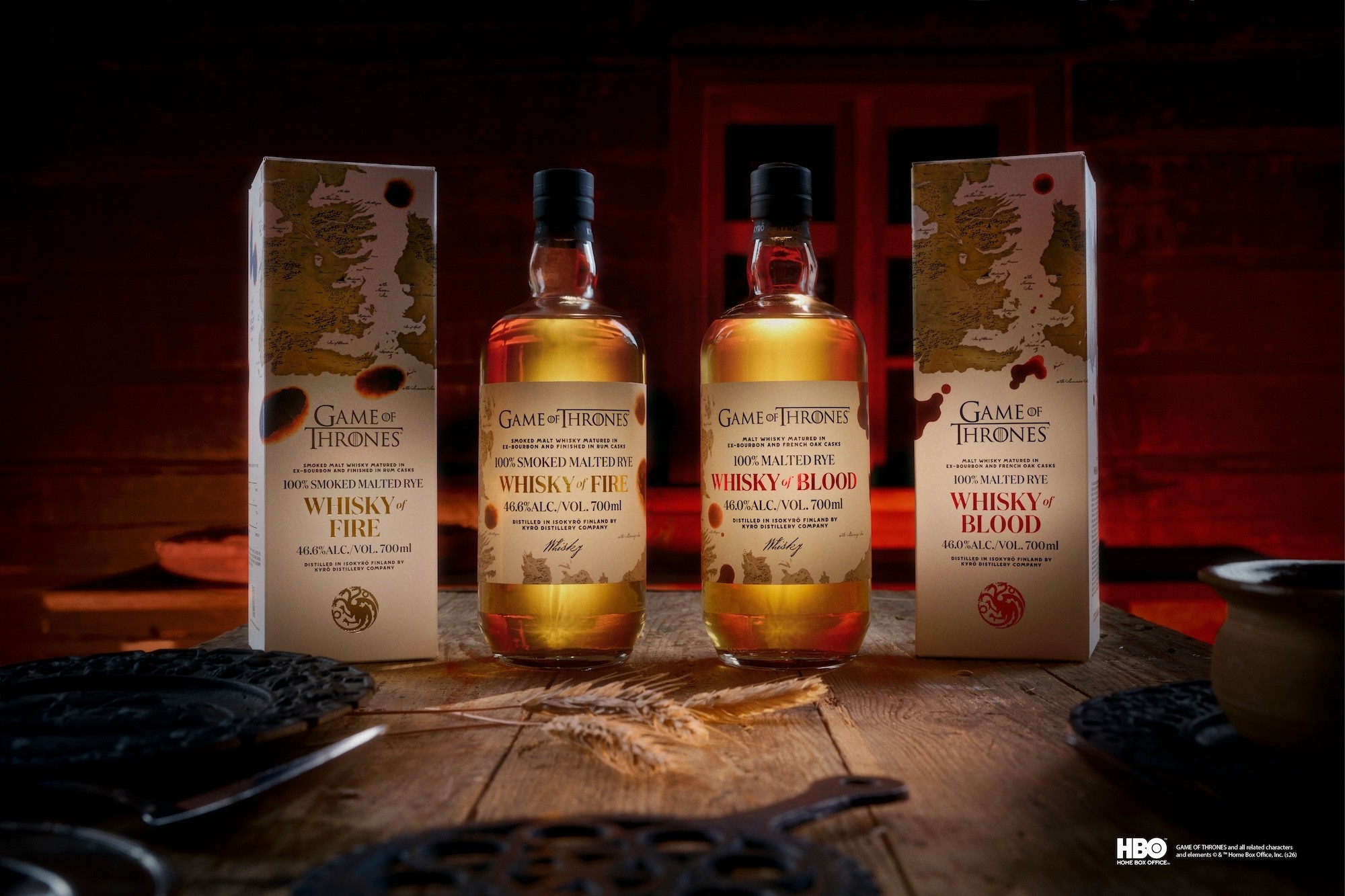
The company was eventually introduced to Warner Bros' licensing organization. Discussions moved through several franchises before landing on Game of Thrones, resulting in two limited- edition rye whiskies inspired by House Targaryen and its motto, Fire and Blood.
"It's a matter of asking the first question rather than being afraid of the answer already," Kovanen says.
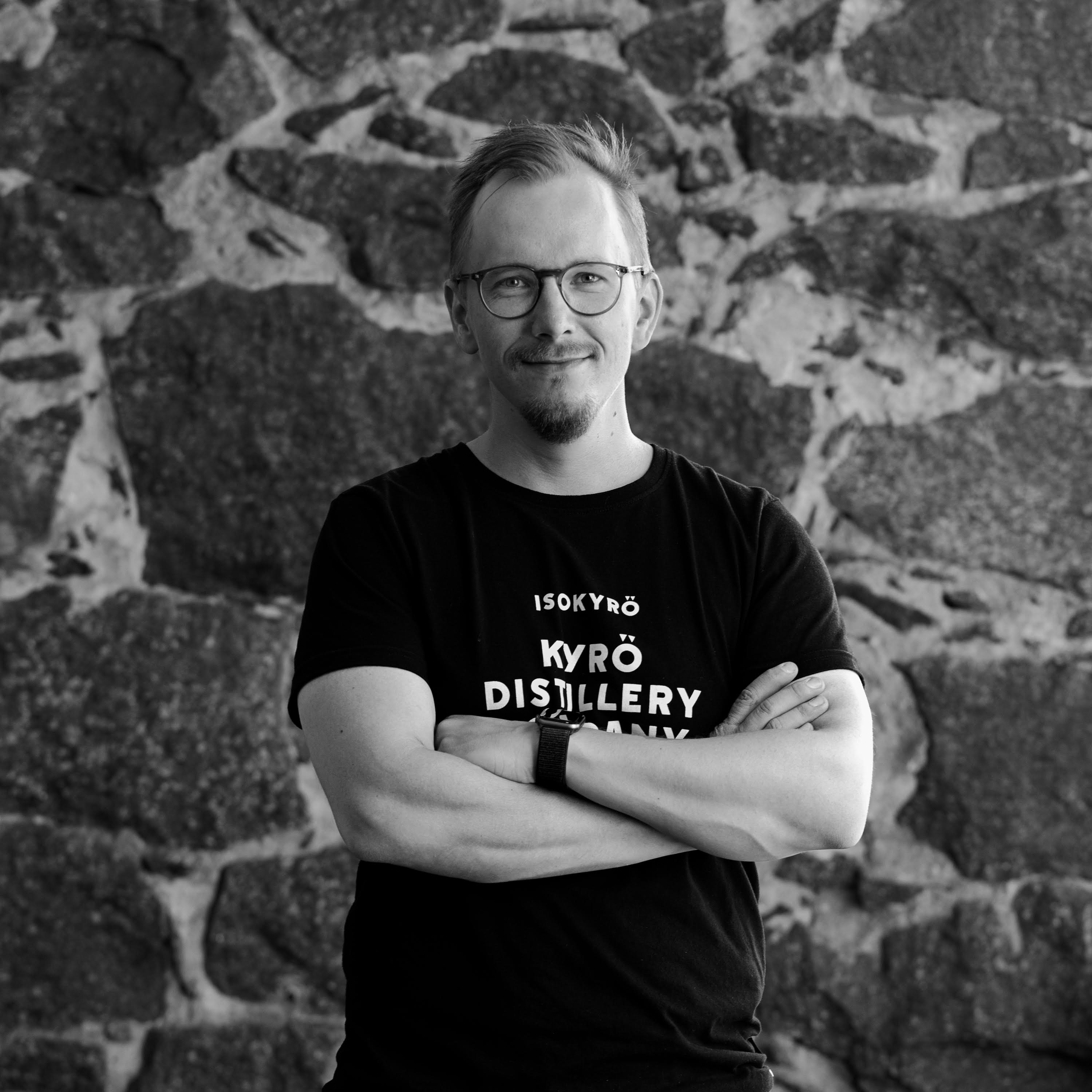
Matti Kovanen joined Kyrö in 2022 and became the global brand and marketing director in January 2026.
The real challenge came after the agreement
Securing the deal turned out to be the easy part. The agreement was signed in December. By January, key decisions around product concepts, packaging, approvals, and production needed to be finalized.
"We think of ourselves as being very agile. But even then, the schedule was very ambitious." The timeline would have been challenging for any consumer products company. Whisky added another layer of complexity.
"Whisky is not a hasty product to create," Kovanen says. While designers, licensing teams, and marketers worked against deadlines, Kyrö's distillers had to create products that could stand alongside both brands.
Kovanen is quick to credit the team. "Luckily, our distillers are so great at producing these beautiful liquids. They quickly came up with the answers to this concept and the proper products and liquids to put in the bottles."
Opportunities rarely arrive on a convenient schedule. By the time they appear, the capabilities already need to be there.
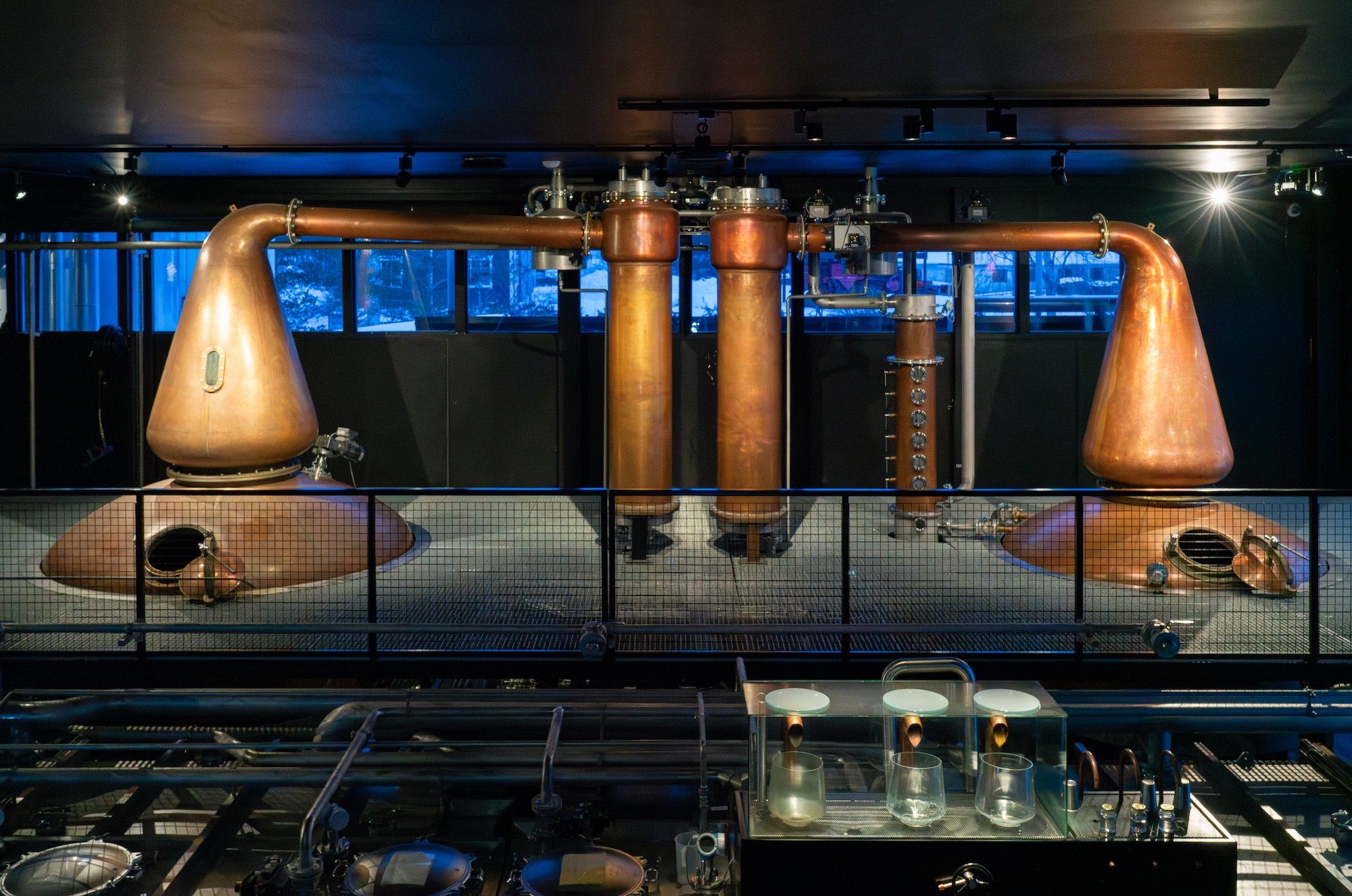
All of Kyrö's whiskies are produced at its distillery in Isokyrö, a municipality in Finland's South Ostrobothnia region near Vaasa.
Why Warner Bros took Kyrö seriously
Kyrö's story began more than a decade ago when five friends sat in a sauna drinking rye whisky and asking a simple question: why wasn't anyone making Finnish rye whisky?
That question eventually became a distillery. There was one problem. Whisky takes years. Once the first barrels were maturing, the founders realized they needed something else to sell while they waited. So they made a gin. As it turned out, the side project changed everything.
In 2015, while co-founder Miika Lipiäinen was on a cycling trip in Estonia, he received an unexpected phone call. Kyrö Napue Gin had been named the world's best gin for gin and tonic at the International Wine and Spirit Competition in the United Kingdom.
The recognition helped introduce Kyrö to audiences far beyond Finland. The company sold out of its gin within days.
More recently, Kyrö's whisky business has built a reputation that extends well beyond Finland. The distillery has appeared in Drinks International's World's Most Admired Whiskies list for five consecutive years, most recently in 2025. By the time Warner Bros entered the picture, Kyrö was no longer an unknown Nordic distillery.
Kovanen suspects that familiarity helped. "They already knew us, and they were kind of fans of our brand. They felt secure enough from the very beginning that this is a respected premium brand."
Many founders focus on the pitch. Kovanen's experience suggests that partnerships are often won long before the first conversation takes place.
Find your version of Finland
Kyrö's brand is deeply Finnish. The company was founded in a sauna. Its spirits are made from Finnish wholegrain rye. Production remains in Isokyrö.
Yet Kovanen draws a distinction between using Finnishness and relying on it. "We are not selling Finland abroad. We are selling ourselves and our brand."
The difference is subtle but important. For Kyrö, Finnishness works when it is connected to something specific: the founding story, the ingredients, the production methods, or the people behind the company.
A recent conversation with an American distributor reinforced that point. The distributor encouraged Kyrö to talk more about Finland's long summer days, foraging culture, and growing conditions. To Finns, those details can feel unremarkable. To international audiences, they can help explain why the product is different.
"Because of the long growth season, our crops tend to have a different taste profile than somewhere else in the world," Kovanen says. The lesson is not to hide where you're from. It is to understand which parts of your story matter to people who are not from there.
Finnishness looks different around the world
What resonates in one market often falls flat in another.
Kovanen points to Germany and Asia as examples. In Germany, he says, Finnish eccentricity travels surprisingly well. "The quirkiness, the humor, the kind of craziness of Finnish culture resonates much more."
In Asia, he says, the appeal often comes from somewhere else. "There, the premiumness and the Nordic stillness are much more prominent."
The audience changes. The story adapts. Kyrö has learned to listen carefully to what different markets see in the brand.
Think neighborhoods, not countries
Kovanen believes many Finnish companies underestimate the scale of international markets.
"Thinking about Finland as a market, but then thinking about Berlin as a market, there is of course a big difference."
Kyrö learned that lesson during its growth in Germany. Instead of trying to build awareness across the entire country, the company concentrated its efforts in specific neighborhoods in Berlin. "We tried to make a big impact in a very small area."
Growth abroad also changed how the company thinks about distribution. Many smaller brands assume the best distributor is the biggest one. Kovanen has reached a different conclusion. "We've felt that we need to be the big brand in a certain distributor's portfolio rather than being one of the smaller players." The observation comes from experience. Large distributors can offer impressive reach, but they also divide their attention across dozens of brands.
Kyrö found greater success when it became strategically important to a partner rather than another label in a catalog. For a company from Isokyrö, being noticed has often mattered more than being everywhere.
Building for the long term
Asked what advice he would give Finnish founders building internationally, Kovanen does not talk about growth hacks, marketing tactics, or fundraising.
Instead, he talks about consistency. "We haven't had to change the fundamentals that much." He also talks about honesty. "Whatever we tell, we try to be as transparent and as honest as possible."
And he talks about Finland. "The fact that the company comes from Finland is a positive. You certainly shouldn't hide it."
More than a decade after five friends first discussed rye whisky in a sauna, those principles have taken Kyrö from Isokyrö to markets around the world and, eventually, to Westeros.
·
5 min read
When Kyrö Distillery announced a Game of Thrones whisky partnership this spring, the collaboration seemed unusually ambitious for a company from Isokyrö, a municipality of fewer than 5,000 people on Finland's west coast.
The bottles may grab the headlines. The more interesting story is how Kyrö earned Warner Bros' attention in the first place. For many Finnish founders, global entertainment brands, luxury groups, and multinational corporations can feel inaccessible. Partnerships of that scale appear to belong to a different league. Kyrö found the gap was smaller than it looked.
According to Global Brand & Marketing Director Matti Kovanen, the partnership did not begin with a grand licensing strategy. The deal traces its origins to a chance introduction. A mutual contact introduced Kyrö to HBO Finland. The initial discussions focused on events and activations.
Kyrö soon floated a bigger idea. "We kind of put out the idea that, hey, would it be possible to create proper collaborative products?"
The company was eventually introduced to Warner Bros' licensing organization. Discussions moved through several franchises before landing on Game of Thrones, resulting in two limited- edition rye whiskies inspired by House Targaryen and its motto, Fire and Blood.
"It's a matter of asking the first question rather than being afraid of the answer already," Kovanen says.
Matti Kovanen joined Kyrö in 2022 and became the global brand and marketing director in January 2026.
The real challenge came after the agreement
Securing the deal turned out to be the easy part. The agreement was signed in December. By January, key decisions around product concepts, packaging, approvals, and production needed to be finalized.
"We think of ourselves as being very agile. But even then, the schedule was very ambitious." The timeline would have been challenging for any consumer products company. Whisky added another layer of complexity.
"Whisky is not a hasty product to create," Kovanen says. While designers, licensing teams, and marketers worked against deadlines, Kyrö's distillers had to create products that could stand alongside both brands.
Kovanen is quick to credit the team. "Luckily, our distillers are so great at producing these beautiful liquids. They quickly came up with the answers to this concept and the proper products and liquids to put in the bottles."
Opportunities rarely arrive on a convenient schedule. By the time they appear, the capabilities already need to be there.
All of Kyrö's whiskies are produced at its distillery in Isokyrö, a municipality in Finland's South Ostrobothnia region near Vaasa.
Why Warner Bros took Kyrö seriously
Kyrö's story began more than a decade ago when five friends sat in a sauna drinking rye whisky and asking a simple question: why wasn't anyone making Finnish rye whisky?
That question eventually became a distillery. There was one problem. Whisky takes years. Once the first barrels were maturing, the founders realized they needed something else to sell while they waited. So they made a gin. As it turned out, the side project changed everything.
In 2015, while co-founder Miika Lipiäinen was on a cycling trip in Estonia, he received an unexpected phone call. Kyrö Napue Gin had been named the world's best gin for gin and tonic at the International Wine and Spirit Competition in the United Kingdom.
The recognition helped introduce Kyrö to audiences far beyond Finland. The company sold out of its gin within days.
More recently, Kyrö's whisky business has built a reputation that extends well beyond Finland. The distillery has appeared in Drinks International's World's Most Admired Whiskies list for five consecutive years, most recently in 2025. By the time Warner Bros entered the picture, Kyrö was no longer an unknown Nordic distillery.
Kovanen suspects that familiarity helped. "They already knew us, and they were kind of fans of our brand. They felt secure enough from the very beginning that this is a respected premium brand."
Many founders focus on the pitch. Kovanen's experience suggests that partnerships are often won long before the first conversation takes place.
Find your version of Finland
Kyrö's brand is deeply Finnish. The company was founded in a sauna. Its spirits are made from Finnish wholegrain rye. Production remains in Isokyrö.
Yet Kovanen draws a distinction between using Finnishness and relying on it. "We are not selling Finland abroad. We are selling ourselves and our brand."
The difference is subtle but important. For Kyrö, Finnishness works when it is connected to something specific: the founding story, the ingredients, the production methods, or the people behind the company.
A recent conversation with an American distributor reinforced that point. The distributor encouraged Kyrö to talk more about Finland's long summer days, foraging culture, and growing conditions. To Finns, those details can feel unremarkable. To international audiences, they can help explain why the product is different.
"Because of the long growth season, our crops tend to have a different taste profile than somewhere else in the world," Kovanen says. The lesson is not to hide where you're from. It is to understand which parts of your story matter to people who are not from there.
Finnishness looks different around the world
What resonates in one market often falls flat in another.
Kovanen points to Germany and Asia as examples. In Germany, he says, Finnish eccentricity travels surprisingly well. "The quirkiness, the humor, the kind of craziness of Finnish culture resonates much more."
In Asia, he says, the appeal often comes from somewhere else. "There, the premiumness and the Nordic stillness are much more prominent."
The audience changes. The story adapts. Kyrö has learned to listen carefully to what different markets see in the brand.
Think neighborhoods, not countries
Kovanen believes many Finnish companies underestimate the scale of international markets.
"Thinking about Finland as a market, but then thinking about Berlin as a market, there is of course a big difference."
Kyrö learned that lesson during its growth in Germany. Instead of trying to build awareness across the entire country, the company concentrated its efforts in specific neighborhoods in Berlin. "We tried to make a big impact in a very small area."
Growth abroad also changed how the company thinks about distribution. Many smaller brands assume the best distributor is the biggest one. Kovanen has reached a different conclusion. "We've felt that we need to be the big brand in a certain distributor's portfolio rather than being one of the smaller players." The observation comes from experience. Large distributors can offer impressive reach, but they also divide their attention across dozens of brands.
Kyrö found greater success when it became strategically important to a partner rather than another label in a catalog. For a company from Isokyrö, being noticed has often mattered more than being everywhere.
Building for the long term
Asked what advice he would give Finnish founders building internationally, Kovanen does not talk about growth hacks, marketing tactics, or fundraising.
Instead, he talks about consistency. "We haven't had to change the fundamentals that much." He also talks about honesty. "Whatever we tell, we try to be as transparent and as honest as possible."
And he talks about Finland. "The fact that the company comes from Finland is a positive. You certainly shouldn't hide it."
More than a decade after five friends first discussed rye whisky in a sauna, those principles have taken Kyrö from Isokyrö to markets around the world and, eventually, to Westeros.




Investor Event
Listeds Investor Event · Defence
Nordic defence is in a once-in-a-generation growth cycle. Eight listed and pre-IPO companies pitch to 100+ invited investors at Valkoinen Sali, Helsinki
21 September 2026


Latest on Listeds


Our Pulse newsletter
Your weekly leadership intelligence briefing.
What happened, why it matters, and what to watch across every CEO, board, and executive move in Nordic listed companies, starting with Finland. Fast, factual, and to the point.
Delivered every Monday.

By signing up, you agree to our Privacy Policy