Startup founders and investors across Europe paid close attention when Ursula von der Leyen, president of the European Commission, took the stage at the World Economic Forum in Davos yesterday.
Not because Europe suddenly promised more subsidies or grand strategies. But because, for once, the language sounded familiar. Practical. Almost founder-like.
When von der Leyen said, “We call it EU Inc,” she gave a name to a frustration that has quietly shaped European startup life for over a decade. Europe has talent, capital, research, ambition, and world-class founders. What it has lacked is the ability to move at the speed those founders need.
This time, the problem was not framed as cultural or philosophical. It was framed as structural. And that alone made people lean forward.
The single market in theory and in practice
For years, Europe has marketed itself as a single market of 450 million people. On paper, that is true. In reality, any founder who has tried to scale beyond their home country knows how quickly that promise collapses. Each new member state brings new company law, new capital rules, new option structures, and new paperwork. Expansion becomes an administrative exercise rather than a growth decision. Many companies quietly decide it is easier to incorporate elsewhere.
Von der Leyen said the quiet part out loud: “We live in an age where capital and data can cross Europe in a second. And business must be able to move just as freely.” The gap between those two realities acts as a handbrake on growth, profitability, and ambition.
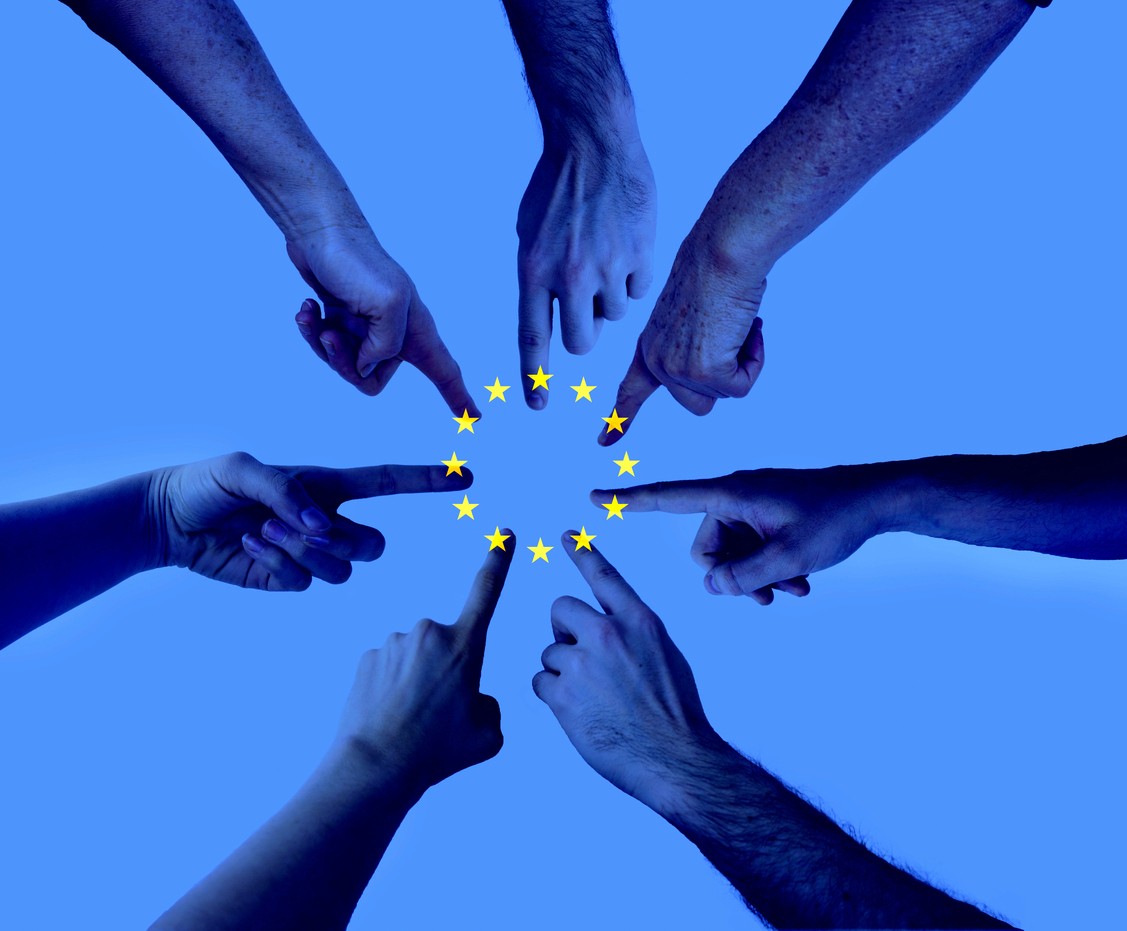
EU Inc, also known in Brussels as the “28th regime,” is the first serious attempt to remove that handbrake. The idea is deceptively simple. A new, optional, pan-European company structure that works across the union with one coherent rulebook. A company that is European, not just in spirit, but in legal reality.
Execution, not intention
One voice urging a measure of realism is Jaakko Lindgren, partner at business law firm Dottir. From a legal perspective, he sees EU Inc as both necessary and long overdue. Europe’s internal market has been constrained by fragmented company law for decades, and the fact that the EU is now actively trying to fix this is, in his view, clearly the right direction. The open question is execution.
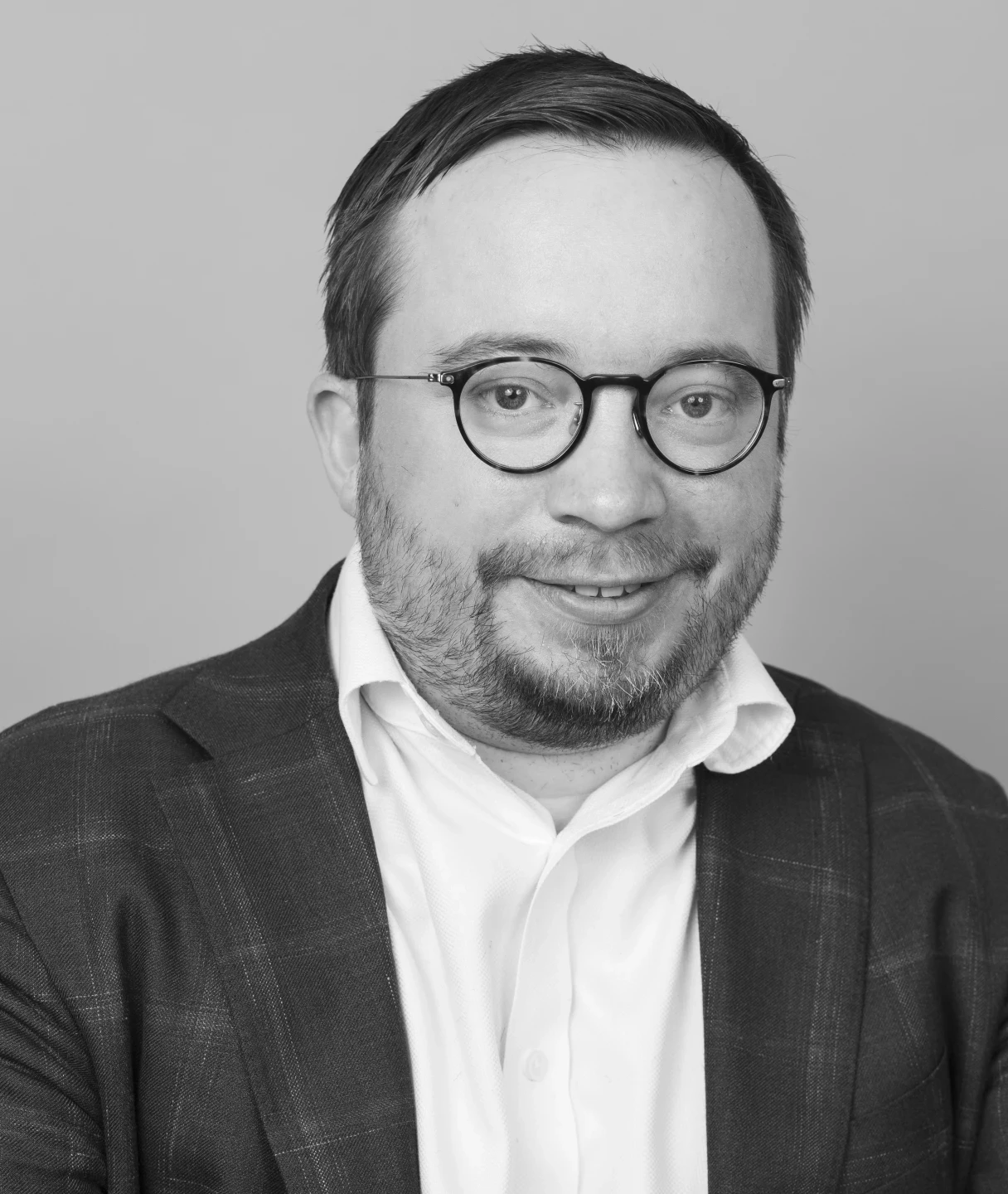
Jaakko Lindgren is a partner at Dottir, a business law firm specializing in technology.
Lindgren cautions that EU Inc must become a genuinely usable structure rather than a symbolic one. Europe has introduced ambitious company forms before, such as the European Company, which exists on paper but has seen limited real-world adoption. Avoiding the same fate will require legal clarity, simplicity, and real commitment from member states.
He also points to a likely side effect. Implementation speed will matter. If some countries adapt their legal, tax, and registry systems faster than others, startups and investors will naturally gravitate toward those jurisdictions. In that sense, EU Inc could quietly turn into a competition between member states.
Could Finland benefit from this? Lindgren hopes so, but he is realistic. Rolling out a new EU-level company form requires deep legislative changes and coordination across ministries and authorities. That kind of reform takes years, not months. Optimism is warranted, he says, but only if political will and legal execution keep pace with ambition.
Why founders and investors care
For founders, EU Inc is not about ideology. It is about being able to raise money, issue stock options, expand teams, and operate across borders without constantly re-architecting the company. It is about staying focused on building products instead of navigating regulatory mosaics. In the end, it is about choosing Europe not because it feels right, but because it finally works.
Investors heard something equally important in von der Leyen’s speech. She linked EU Inc to a broader push to build a deeper, more liquid European capital market. Not fragmented pools of national capital, but an integrated system where money can flow to scaleups, SMEs, innovation, and industry. That matters because venture capital is not just about ideas. It is about scale, exits, and confidence that Europe can support companies all the way through.
From hope to process
For many founders, this moment brought something increasingly rare in the current climate: hope. Not hype or empty optimism, but the sense that Europe may finally be offering something concrete to believe in again. A new point of orientation at a time when many are questioning where growth, ambition, and long-term value can realistically be built. In uncertain times, symbolic signals matter. And this one landed.
The breadth of support behind EU Inc makes that clear. According to Finnish public broadcaster YLE, prominent Finnish startup figures such as Ilkka Paananen, CEO of Supercell, Miki Kuusi, founder and CEO of Wolt, and Aino Bergius, former CEO of Slush, have voiced their support. This is not a fringe idea. It is a shared conclusion reached independently by thousands of people building and funding companies across Europe.
A point of no return
The European Commission has formally launched preparatory work for the 28th regime, and based on its current work program, a legislative proposal is scheduled for the first quarter of 2026.
That timeline does not guarantee that the policy will become law. But it does mark something important. Once an idea reaches this level of formal process and public commitment, it cannot simply be ignored or quietly shelved.
And perhaps that is why this moment resonated so deeply. For once, Europe did not tell its entrepreneurs to wait, to be patient, or to adapt to the system as it is. It signaled that it wants to move faster, too.
That is why, after Davos, so many people arrived at the same quiet conclusion. Europe is finally starting to think like a founder. The real test now is whether it keeps going.