/

Topics

/

performance

performance

Weekend

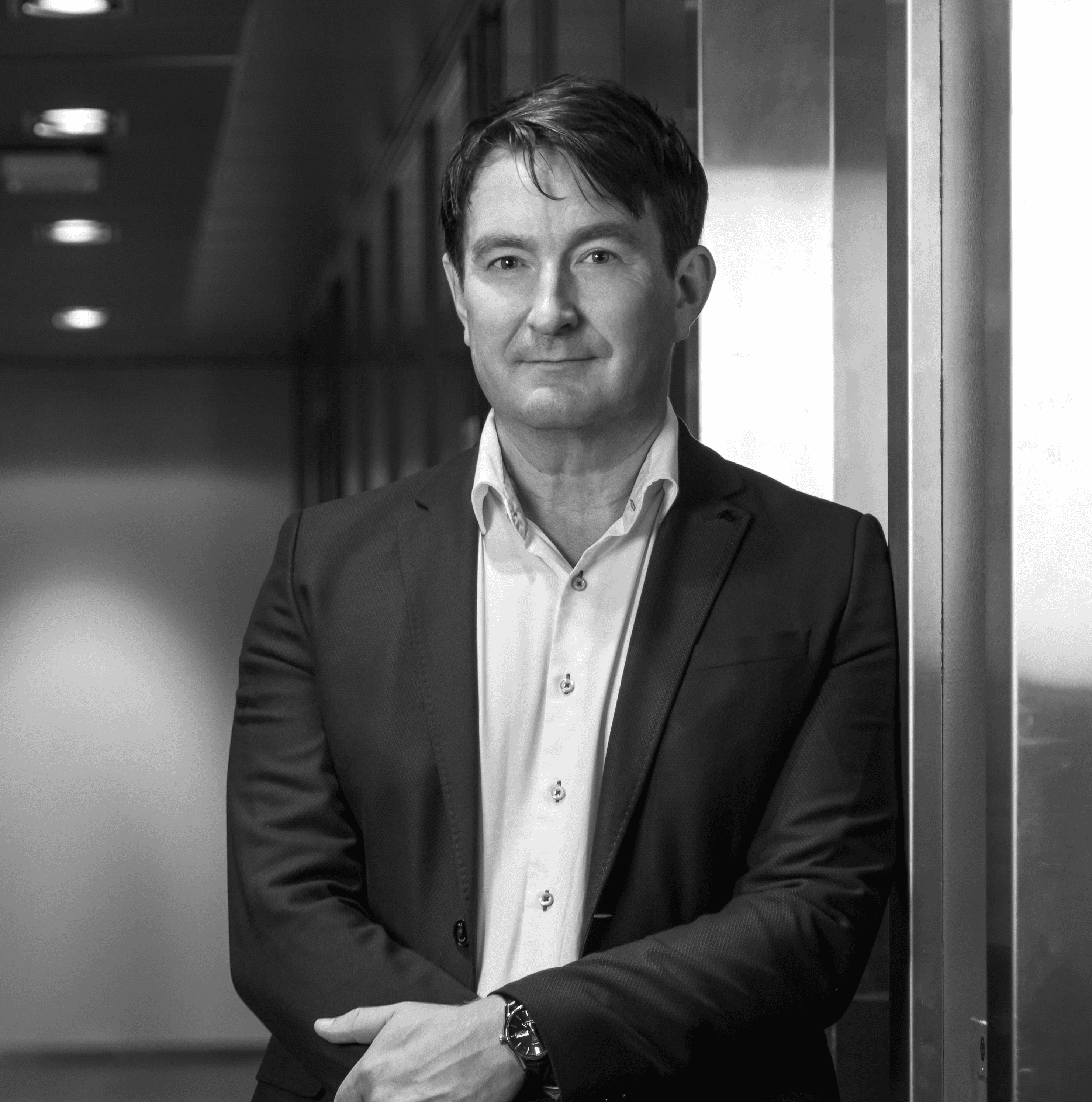
Executive coach Thoby Solheim on addiction, ambition, and the hidden pressure of high-performance leadership

Mar 13, 2026

“I have a choice about when I start drinking. But once I start, I don’t have a choice about when I stop.” For many years, that sentence described the private reality of Thoby Solheim’s life while his professional life told a very different story.

At the time, Solheim was a successful investment banker working with some of the world’s largest institutional investors. From the outside, everything looked exactly as it should for a high-performing leader in global finance.

Yet behind the scenes, something was slipping out of control.

Today, Solheim speaks about that period openly. After leaving banking, he retrained as an executive coach and now works with leaders navigating pressure, identity, and performance. His perspective on leadership is shaped not only by years inside the financial industry but also by his own experience with alcohol addiction.

“We still have a level of shame about alcoholism,” he says. “We moralize it.” That shame often prevents leaders from speaking about what they are going through — even when they know something is wrong.

Success and silence

Solheim began his career in the mid-1990s as an equity sales trader in London, a world defined by long hours, intense competition, and relentless expectations.

“You worked hard, you worked long hours, you got up early,” he recalls. “And then you had at least two nights a week of socializing and drinking.”

Alcohol was woven into the rhythm of the industry. Deals were celebrated with drinks. Lost opportunities were softened with drinks. Success and disappointment triggered the same ritual.

“We would win a deal, we would celebrate, and go big. We’d lose a deal, we’d commiserate and go big.”

Over time, both outcomes started to produce the same thought. “Oh, I did so well today — I’ll have a drink. Oh, I didn’t do well today — I’ll have a drink.”

For Solheim, alcohol also served another purpose. As an extrovert with a hint of introversion working in an intensely social profession, it helped him loosen up in situations that demanded constant networking and relationship building.

But gradually something changed. Drinking stopped being casual. It became intentional. That realization led to a darker understanding: the moment drinking began, control disappeared.

The illusion of the high-functioning leader

Despite his growing dependence, Solheim’s career continued to advance.

He eventually became head of trading at Portuguese investment bank Banco BPI and later worked with Macquarie Group in South Africa. His professional performance remained strong. His reputation remained intact.

Externally, he appeared to be thriving. Internally, however, the dynamic was becoming more fragile. Solheim describes himself during that period as what many would call a high-functioning alcoholic — someone whose outward success masked an escalating personal struggle. “Often people realize their problem long before the system notices,” he says.

Leaders in positions of authority are rarely confronted directly about risky behavior. Performance can mask warning signs, and power often creates distance between the individual and honest feedback.

“From the outside, everything can look successful,” Solheim says. “The system is reasonably blissfully unaware.” Eventually, however, the effects begin to surface. Substance abuse gradually weakens the very capabilities leaders rely on most: judgment, impulse control, and emotional regulation under pressure.

The pressure behind ambition

Looking back, Solheim believes there is often a deeper connection between ambition and vulnerability.

“In the drive for high performance, maybe there is a sacrifice on the other side,” he reflects. For many leaders, that sacrifice can involve mental health. “There can be a link between anxiety and self-worth,” he says. “And that can become exposed in highly competitive environments.”

Research increasingly supports this observation. Studies show a strong relationship between anxiety disorders and alcohol misuse. Anxiety increases the likelihood of alcohol dependency, while alcohol use can intensify anxiety over time.

Alcohol can also act as a signal that the workday is over. High achievers often compress recovery into short bursts of intense decompression — what Solheim describes as accelerated “me time.”

“Alcohol was a medicator that helped tone down excitement,” he says.

Crossing the line

For Solheim, the turning point came with a simple but difficult realization.

“Alcoholism is a progressive disease,” he says, admitting that once you cross a certain line, the only direction left is down. The hardest step was acknowledging the loss of control.

“The most difficult part was admitting I was powerless over alcohol.” But the moment of acceptance also created relief. “I’m not a bad person,” he says. “I’m a sick person.”

Solheim entered treatment and began the process of rebuilding his life. The path included rehabilitation, withdrawal treatment, and a clear commitment to both his family and employer to seek immediate support in case of relapse.

Returning to normal life required adjustments. “You can’t just slot back into the way you used to live,” he says. Recovery meant building new routines, new boundaries, and a different relationship with ambition itself.

A different kind of leadership work

After leaving banking, Solheim began searching for a new sense of purpose.

He retrained as an executive coach, completing a Master’s degree in Management Coaching at Stellenbosch University in 2015, along with additional certifications, including Neurozone and Time To Think.

Today, he works with senior leaders dealing with many of the same pressures he once experienced. His coaching focuses on resilience, self-awareness, and sustainable leadership.

“I understand the environment they operate in,” he says. “I’ve lived it.” That lived experience often allows him to see patterns early — especially when leaders are silently carrying more pressure than they admit.

The courage to ask for help

For individuals facing similar struggles, Solheim believes the first step remains the most difficult.

“Asking for help,” he says. For many leaders, particularly in Nordic cultures where independence and resilience are highly valued, vulnerability can feel uncomfortable. Yet Solheim insists it is the turning point.

Today, he does not see quitting alcohol as a loss. “I gave up nothing,” he says. What he gained instead was clarity, purpose, and a different relationship with success. Because behind many high-performance careers, he believes, there is a reality leaders rarely speak about.

And sometimes the strongest leadership decision a person can make is admitting they cannot solve everything alone.

Leaders

Forced ranking exposes Nordic leadership challenges

Jan 5, 2026

Ahead of Christmas, a widely opinion-dividing topic took center stage in the leadership debate: the performance-based differentiation of employees. The discussion followed reporting by Helsingin Sanomat, which suggested that Nokia had introduced forced ranking among its managers.

Forced ranking refers to a performance management system in which employees are classified into five categories based on a predefined distribution, with each category required to contain a fixed percentage of team members. The system, also known as stack ranking, was a popular leadership tool in the 1990s, pushing staff into a normal distribution and reducing bonuses for the lowest performers.

Following the reports, Nokia’s CEO Justin Hotard clarified to Helsingin Sanomat that the company does not intend to classify employees through forced ranking, and that the issue was the result of an internal communication error.

The topic is important and far broader than the leadership practices of a single company. According to Tommi Lehtinen, CEO and lead consultant at SCCG, the discussion reveals a broader Nordic discomfort with open performance differentiation. 

Tommi Lehtinen is an executive assessment consultant & CEO at SCCG.

“This discussion is very Finnish,” Lehtinen says. “Forced ranking is common in North America and parts of Asia. The shock comes from how strongly it clashes with our expectations of fairness.”

A global company, a local reaction

Nokia employs close to 80,000 people globally, so the Finnish workforce of nearly 7,000 represents less than 10 percent of total headcount. Practices that barely raise an eyebrow in the United States or parts of Europe can still cut deep into Finland’s cultural core.

“Finnish media often analyzes global companies through a purely national lens,” Lehtinen notes. “That is understandable, but it can distort the picture.”

Within Nokia, the forced ranking model faced internal criticism not just in the Nordics, but from the company's European Works Council, a body that represents Nokia employees across EU and EEA countries. Beyond Nokia, a broader question for global companies is how local leadership and corporate culture models can be embedded within globally competing organizations.

The real issue is not ranking

Forced ranking carries a poor reputation for good reason. Lehtinen cites research that shows it often increases internal competition, visibility seeking, and office politics, while weakening cooperation. Even in the United States, its popularity has faded.

But focusing solely on whether ranking is good or bad misses the deeper leadership challenge. “In many Nordic organizations, we avoid clear performance discussions altogether,” Lehtinen says. “That creates its own kind of unfairness.”

In specialist-heavy organizations, differences in contribution can be significant, yet feedback, pay, and development often remain broadly similar.

“At the leadership level, performance is constantly evaluated,” he says. “At the specialist level, discussion often revolves around workload, stress, and well-being. That imbalance is a red flag,” Lehtinen says, pointing to differing expectations and tolerance levels in performance evaluations.

As for Nokia, performance evaluation is intended to address the issue of paying all employees the same bonus regardless of individual performance. In an interview with Helsingin Sanomat, CEO Hotard stated that performance management is about safeguarding the company’s competitiveness. As the market and operating environment change rapidly, not all employees have the same capabilities. One goal is to retain and engage the top-performing employees.

Why leaders still reach for hard tools

Lehtinen does not believe companies adopt controversial systems lightly. “When organizations consider forced ranking, they usually understand the risks,” he says. “They are trying to create clarity where clarity is missing.”

The timing of the Nokia debate has also fuelled speculation. The tech company reported a 9 percent increase in net sales in constant currency in the third quarter, following the appointment of CEO Hotard in April. The American businessman is known for data center and AI-related executive roles at Intel and Hewlett-Packard. 

“New CEOs tend to shake things up,” Lehtinen says. “That is not unusual.” The problem is that ranking systems are often applied where targets are unclear, and work is highly interdependent. “In sales, where numbers are clear, it works better,” he says. “In matrix organisations and knowledge work, evaluating individuals fairly becomes extremely difficult.”

The result is a system that rewards visibility rather than value.

Clear targets beat hard rankings

Lehtinen argues that Nordic companies do not need harsher systems. They need better ones.

“Tough management is not bad,” he says. “But it must be structured, fair, and well communicated. Clear targets, clear monitoring, and freedom inside the structure. That creates safety, not fear.”

Without this foundation, any performance system will fail, whether it relies on forced ranking or softer alternatives.

The argument echoes the broader shift toward harder leadership. Listeds reported in November that management thinking may be moving away from three decades of soft, empathetic leadership toward “hard leadership,” a model built on clarity, accountability, and performance, citing Sami Itani, professor of practice at Aalto University School of Business.

Culture, Lehtinen adds, cannot be changed through structures alone. “You need communication, involvement, and time. Imported models without cultural adaptation do not work.”

Rather than encouraging individuals to compete against colleagues, he suggests structured and safe competition between teams, focused outward toward market rivals rather than inward toward peers.

Warning signs leaders should not ignore

When performance systems begin to do harm, the signals are clear.

“Sick leave, rising conflicts, people leaving, low engagement, and weak 360 feedback,” Lehtinen says, referring to feedback received from multiple directions, not just direct managers. “Those are not HR problems. They are leadership problems.”  

Read as advice rather than a diagnosis, the message to leaders is simple. Either performance is discussed openly, and expectations are made explicit, or frustration will surface elsewhere. In the long run, clarity, not comfort, is what sustains performance.

Leaders

Work hard, rest harder: What brain fitness teaches about peak performance

Dec 4, 2025

The article explores how brain fitness — the balance between high performance and intentional recovery — is essential for sustainable leadership. CEO Salli Hara shares her journey of learning to slow down, emphasizing that rest, boredom, and self-awareness enhance creativity and long-term success. Performance coach Heikki Huovinen reinforces that true productivity comes not from constant busyness but from mastering the art of recovery.

Salli Hara, CEO of Prysmian Nordics, has spent more than a decade in the C-suite of the global cabling solutions provider. Through her journey from legal partner to HR director to CEO, she has come to understand the psychology of dopamine hits — the subtle thrill that drives constant accomplishment. 

“I can get into things very passionately,” she said, admitting that the surge of dopamine is addictive. Not afraid of new challenges, Hara has risen through the ranks: first joining as an HR director for Finland at the Italian company, later becoming country manager in Sweden, and finally serving as CEO.
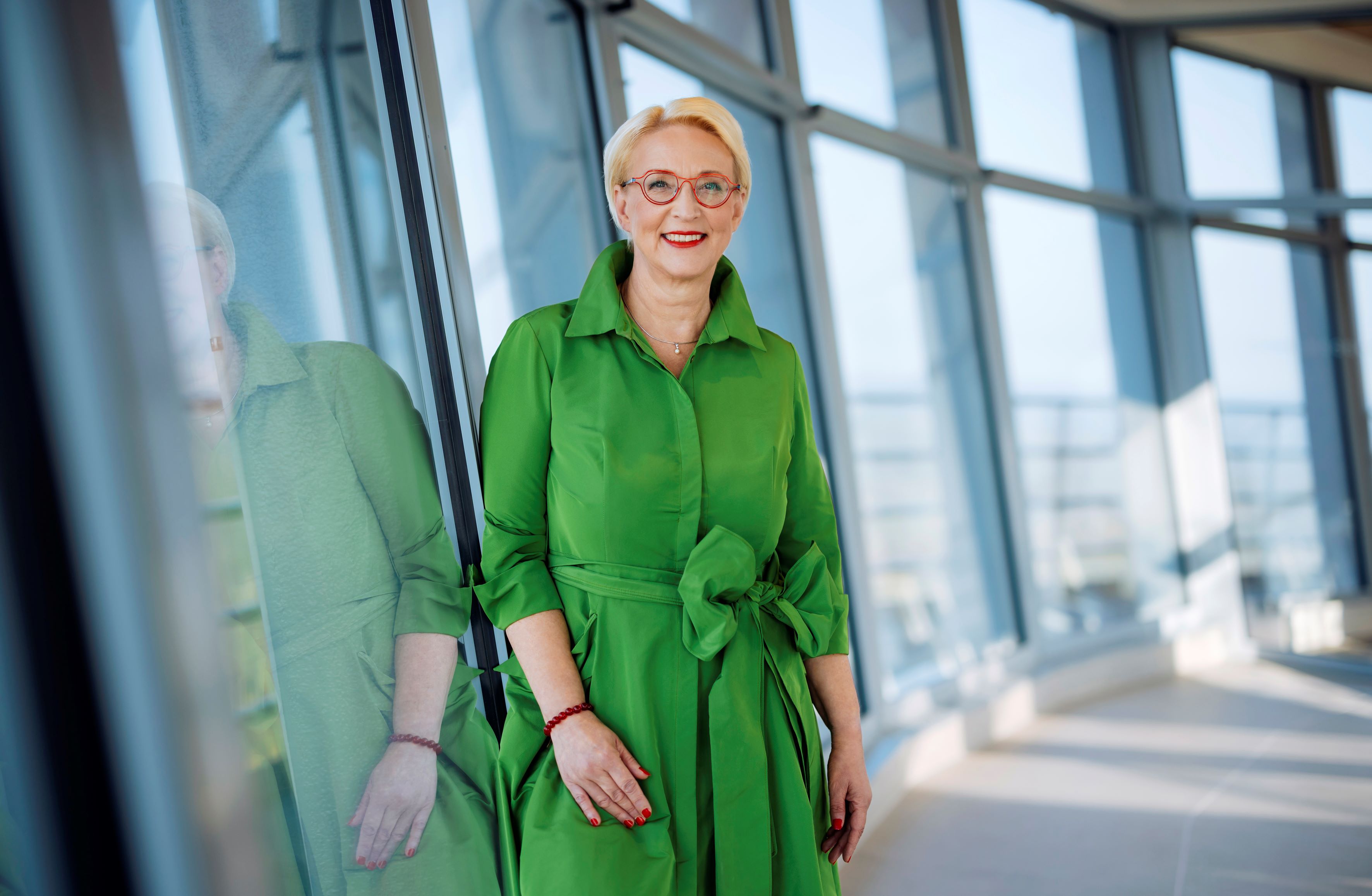
Salli Hara is the CEO of Prysmian Nordics, a leading cabling solutions provider.

The intensity of leadership roles has inspired Hara to explore a new kind of discipline: optimizing the mental load and improving what she calls her brain fitness —  a skill taught by Heikki Huovinen, a co-founder of Mental Race Oy.

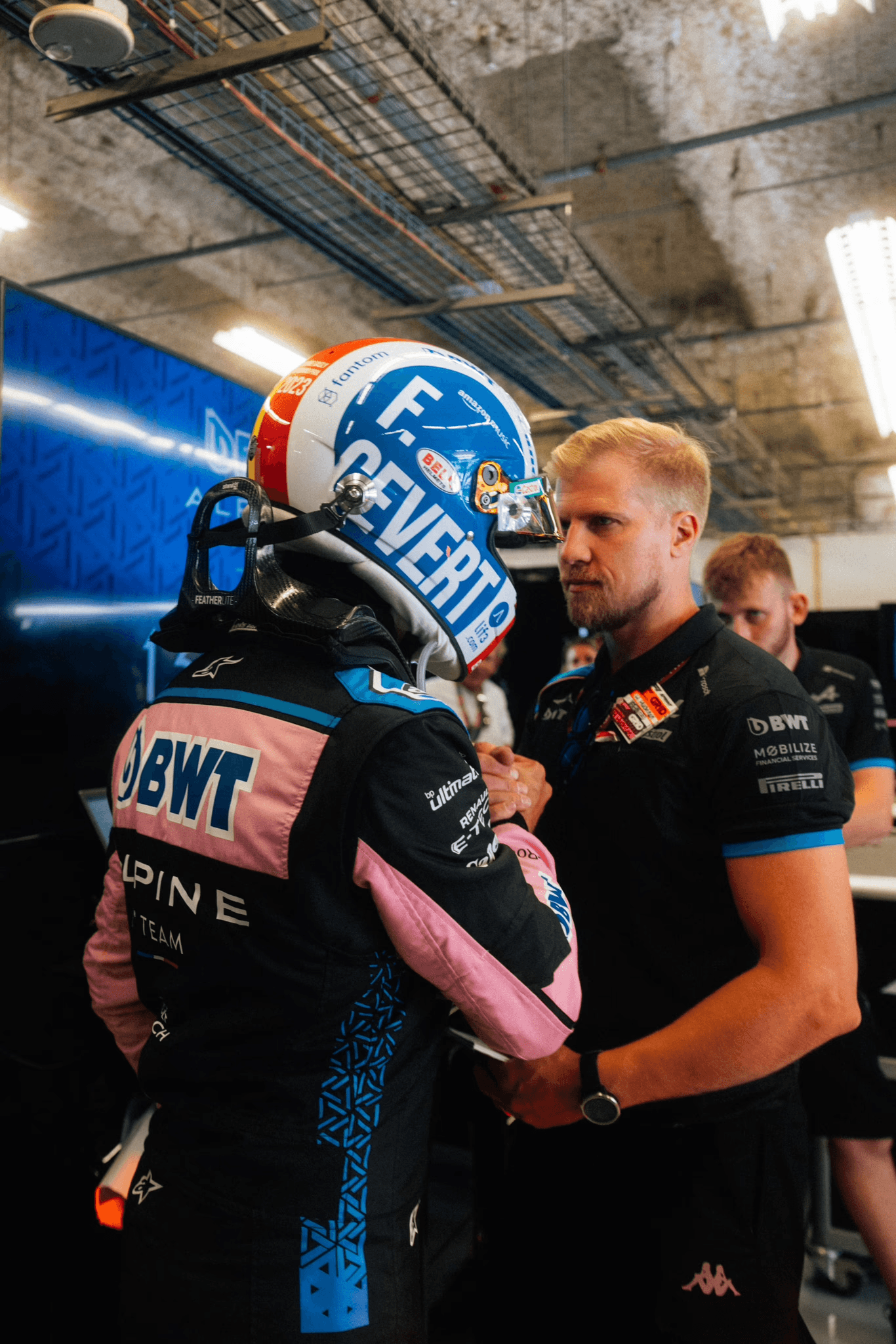
Huovinen defines brain fitness as our brain's potential to perform now and in the long term. In his work with executives and Formula 1 drivers alike, he describes it as “the physiological and psychological foundation from which we can all perform in the tasks that really matter to us.”

Balancing performance and recovery, however, is rarely easy — especially for those used to excelling. “It's been a learning curve,” Hara said.

“There have been moments when I’ve been so overloaded with everything in my life that I have hit the wall, where you have to say, I'm not okay. This is not okay. I don't feel okay,” she added.

Those moments of overload, she explains, have taught her that slowing down is not only healthy — it’s essential. “In the longer run or mid-term, I'm starting to hurt myself as a human being, and everything else will disappear from my life, and I disappear from myself, and then the question is: is it really worth contributing to the universe by disappearing? I don't think so. I can lose my identity, I can lose really myself.”

The unseen infrastructure of performance

According to Huovinen, the two most important pillars of brain fitness are physical recovery and psychological rest.

“It’s not hard for us to push hard,” Huovinen explained. “It’s hard for us to rest.”

That difficulty, he says, creates what he calls 'enjoyable busyness' — a kind of dopamine-fueled overdrive that keeps ambitious leaders feeling productive, even as their focus and empathy quietly erode.
image

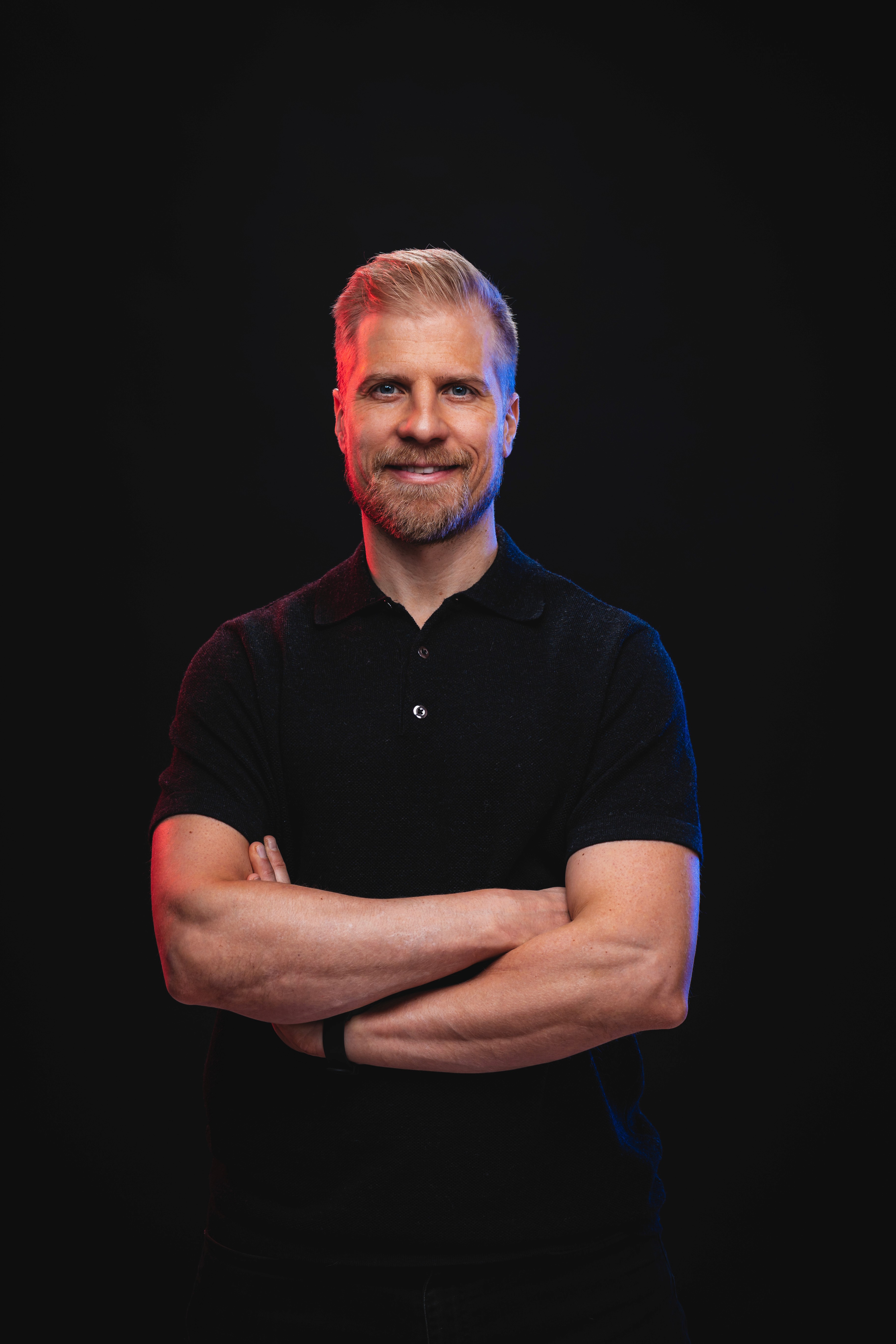
Heikki Huovinen is a performance coach.

Modern neuroscience supports Huovinen's view. Dr. Kerry Ressler, professor of psychiatry at Harvard Medical School, writes in the Harvard Business Review that stress interferes with cognition, attention, and memory (HBR, 2021). Meanwhile, a 2022 Deloitte and Workplace Intelligence report found that nearly 70% of the 2,100 C-suite respondents surveyed were considering leaving their roles for positions that better support well-being.

Hara’s description of the executive’s high-alert mode — that constant sense of being switched on — mirrors what Huovinen calls the ‘addiction to arousal.’ “High achievers enjoy being busy,” he said. “We get a sense of status, we feel we’re advancing something. But physiologically, we need the opposite state — low arousal — for creativity, memory consolidation, and emotional stability.”

Learning to downshift

Both experts agree: the hardest part isn’t knowing you need rest — it’s transitioning from high speed to stillness. Huovinen compares it to telling a hunting wolf to stop mid-chase and tend to its pups.

“It’s the transition that’s hard,” Huovinen said. “But you can train it, like a muscle. You stop, you accept that it feels bad, and you repeat it — until it starts to feel good.”

Hara has developed her own pragmatic techniques for downshifting. When she notices her mental gears spinning too fast, she sometimes watches old movie reruns — “something I know will not surprise me,” she explained. “It tricks my mind not to think, not to act.” Other times, she suggests movement.

On clear autumn days, she recommends going out for a walk — but deliberately reducing the pace, resisting the Nordic instinct to rush. “Physically, you reduce your speed,” she says, adding that despite the feeling that people might be looking at you, “actually, nobody cares.”

For Hara, this act of slowing down is not laziness — it’s leadership. In other words, your next great idea might not come from another meeting, but from watching paint dry. As she put it with characteristic humor, “Living bored is good for you. Maybe it’s a t-shirt I should wear.”

“Boredom or not doing anything gives you something so that you can recover. You can actually start performing at a much higher level than you could otherwise be doing. That has been the big breakthrough for me. I have not been very good at it.”

In a nutshell, the recipe for relaxation is simple: “Personally, I think everybody needs to find their ways of being a bit bored.”

Redefining leadership culture

If individuals can learn to rest, can organizations? Huovinen believes they can. 

The coach advocates for concrete recovery spaces — ‘rest rooms,’ as he calls them — where phones are banned and silence is mandatory. Besides environmental interventions, Huovinen talks about the culture.

“Leaders need to lead by example,” he says. “If leaders never take breaks, if they send emails at midnight, they’re sending a subconscious message that rest is not acceptable.”

Hara points out that bosses carry heavy responsibilities, including inspiring staff performance, and perhaps that’s partly why fewer entry-level workers aspire to rise up the ranks these days.

Her view is backed by a 2024 study by Korn Ferry that showed that the youngest generation of workers say they would rather be individual contributors than middle managers. The trend is called “conscious unbossing,” which sheds light on the unrewarding aspects of being a leader.

A cultural intervention can go both ways. “Companies need an environment where it’s okay to care about people,” she said, explaining that as a leader, she values when employees are open about what’s hindering their performance — sleeplessness, family challenges, or other stressors — so that adjustments or support can be made proactively.

Caring can start with something as simple as lifting your eyes from the keyboard.

“It’s beautiful when someone looks at you and asks, ‘Are you fine? You look tired,’” she says. Or how one busy day, someone made her happy with a quick comment: “I just wanted to make sure you have time for lunch.”

Hara is also critical of what she calls the culture of fake busyness. “I don’t want to hear that ‘I'm so tired because I'm working so hard, I'm some kind of a working hero.’ It is not the discussion I want to have,” she said. “I've been working in different environments, and there are these working heroes who label busy as being great -- nothing to do with getting the result or not. To me, this is fake performance.”

For her, being human is not a weakness but a strength. “Why praise a superhuman idea of working with little sleep? It is great that you don't need more than three hours of sleep. Good for you. Unfortunately, I need my nine hours.”

In the era of AI, Hara sees new challenges emerging. With information overload and constant digital stimuli, our attention is more fragile than ever. “In the future, perhaps AI agents will get most of our work done for us and we can focus on farming tomatoes or carrots,” she said, half-jokingly, “but the unpredictable toll of mental strain from using AI is not yet well researched.”

‘Work hard and rest harder’

The irony of high performance, Huovinen reminds, is that it thrives on idleness. Elite athletes and musicians practice for roughly four hours a day — and spend the rest recovering, socializing, and reflecting.

“If we try to push eight hours in a row, we lose productivity,” Huovinen said. “We should work hard and rest harder.”

That may sound indulgent in the world of quarterly results and KPIs, but science backs his point. A 2022 study in Current Biology found that after prolonged mental effort, people tend to make decisions favoring short-term relief over long-term benefits — a biological safeguard against cognitive fatigue. In simpler terms, exhausted leaders make worse strategic calls.

Perhaps that’s why Salli Hara’s quiet morning walks feel so radical. In an economy obsessed with acceleration, choosing to slow down is both a personal rebellion and a strategic advantage. As she puts it: “Nobody is making me run. I choose when to be active — and when not to be.”


About the experts

Heikki Huovinen is a Finnish performance coach specializing in brain fitness, executive development, and high-stakes performance under pressure. He has coached senior leaders, elite athletes, and Formula 1 drivers.

Salli Hara is the CEO of Prysmian Group Scandinavia, a global leader in energy and telecommunications cable systems. She has over 20 years of experience leading multinational teams across the Nordic region and Europe. Prysmian Nordics operates across seven countries, with five factories, 1,250 employees, and over €1 billion in annual revenue.

Image credit: Heikki Huovinen and Salli Hara.


Weekend

Energy for the dark months: Five science-backed tips

Nov 28, 2025

The Nordic October gloom brings more than just gray skies. As daylight shrinks—Helsinki and Stockholm see under ten hours by late October—bodies produce more melatonin, leaving many feeling drowsy and craving sugar.

For professionals, these seasonal changes can erode productivity: the NIH lists difficulty concentrating, irritability, and poor decision-making among the symptoms of seasonal affective disorder.

“People need light and warmth, and when there’s none, the body will try to replace them with something else,” says Sonia Wahlroos, founder and CEO of Nordic Nutritionist. Here are her five evidence-based strategies to stay focused and energetic through the “winter blues.”

1. Prioritize sleep like a strategic asset

Winter often disrupts the sleep-wake cycle. Prolonged lack of daylight can delay sleep timing, fragment rest, and heighten sensitivity to blue-light screens—creating a vicious cycle of poor sleep, according to a study on Antarctic research crews in winter.

Rather than surrender to fatigue, says Wahlroos, use the season to reset routines. Shifting bedtime an hour earlier—around 10 p.m.—aligns rest with natural drowsiness and improves recovery, as the deepest sleep occurs in the first half of the night. “When it gets dark, you get sleepier—allow yourself to go to bed earlier,” she notes. Aim to wake up without an alarm. Reconsider how you think about sleep: is it a cost or an investment in cognitive capital?

2. Eat warm, high-quality fuel

Reduced daylight disrupts appetite-regulating hormones, often triggering cravings for sugar and refined carbohydrates. “The best way to fend off sugar cravings is to give your body the right kind of nutrition,” says Wahlroos.

She recommends warm vegetable soups, whole grains such as quinoa, and protein-rich meals to steady blood sugar and keep the body warm. Avoid long gaps between meals—hunger encourages impulsive snacking. Carbohydrates can be especially tempting in darker months, so limit simple sugars and refined grains. If summer indulgence already stretches over a few months, adding a carb-heavy winter means most of the year is spent off track, she warns.

3. Hydrate—But don’t rely on coffee

Cold weather often blunts thirst cues, yet mild dehydration can mimic fatigue. Drink two to three liters of water daily; herbal teas or warm lemon water add comfort.

A word of caution on coffee: “If you struggle to get out of bed, caffeine alone won’t fix the problem,” says Wahlroos. She warns that afternoon or evening coffee can disrupt deep sleep cycles, worsening seasonal fatigue instead of relieving it.

The National Sleep Foundation advises avoiding caffeine at least 6 hours before bedtime because it lengthens sleep latency and decreases slow-wave sleep.

4. Supplement smartly: Vitamin D and omega-3

Sunlight in Nordic countries plunges below four hours a day by December, insufficient for natural vitamin D synthesis.

The Finnish Food Authority recommends daily supplements, but Wahlroos suggests even higher doses in winter, even up to 100 µg (4,000 IU), well above the standard 20 µg guideline for people who spend time outdoors.

Her second recommendation is high-quality omega-3s, guessing that few people receive enough such fatty acids from fish. A review of more than 170 academic studies links omega-3 intake to improved learning, memory, and cognitive well-being.

5. Seek light and movement daily

Grey weather can make outdoor activity less inviting, but exercise remains essential, Wahlroos says. She adds a caveat: while gym sessions build strength, they cannot replace the benefits of natural daylight. Her advice: keep up routines such as evening walks or bike rides, even alongside regular gym workouts.

Between the lines, staying active isn’t just about daylight and exercise—it’s also about nurturing social connections. After the interview, Wahlroos adds one more tip: “See people! Organize something fun!”

Dark months need not dim performance. With small adjustments—better sleep, smarter fuel, outdoor light, and social connection—professionals can protect energy, focus, and decision-making well into winter.

Stay on the pulse, catch the signals

Subscribe to Listeds Leadership Intelligence Platform:

  • leader and company database access

  • email alerts

  • career, boards and interim opportunities

Our Pulse newsletter

Your weekly leadership intelligence briefing.

What happened, why it matters, and what to watch across every CEO, board, and executive move in Nordic listed companies, starting with Finland. Fast, factual, and to the point.

Delivered every Monday.

By signing up, you agree to our Privacy Policy